Imagine the scene: you stand in the baby aisle, a bewildered parent-to-be, staring at an overwhelming array of feeding bottles. Each promises to be the “best feeding bottles for baby,” but how do you truly discern which one will suit your little one? While a quick video clip, like the one above, might offer a momentary distraction or a fleeting glimpse, the critical decision of selecting the right feeding equipment demands a comprehensive understanding.
This decision goes beyond aesthetics; it impacts your baby’s comfort, digestion, and even their ability to transition between breast and bottle. As expert caregivers understand, the right bottle can significantly reduce feeding anxieties and promote healthy infant development. Let’s delve into the intricacies of bottle selection, moving past generic advice to a more nuanced, evidence-based approach.
Navigating the World of Newborn Feeding Bottles
Choosing newborn feeding bottles requires careful consideration of several factors. Your infant’s unique feeding style and potential sensitivities play a crucial role. For instance, some babies thrive with a slow-flow nipple, while others require a faster delivery.
1. **Understanding Bottle Materials and Safety Standards**
The material of your baby’s bottle is a primary concern for many parents. Historically, plastic bottles containing BPA were common, but today, health-conscious brands prioritize safety. Modern plastic options, often made from polypropylene or Tritan, are BPA-free and incredibly durable.
However, many experts now lean towards glass baby bottles or silicone bottles for their inert properties and longevity. Glass doesn’t absorb odors or colors, nor does it leach chemicals, offering a pure feeding experience. Silicone, conversely, is lightweight, virtually unbreakable, and often mimics the feel of breast tissue, which can be beneficial for some infants.
The Benefits of Glass Baby Bottles and Silicone Options
Glass bottles provide a premium, chemical-free option. They are heavier and more prone to breakage, yet their easy cleaning and resistance to scratches make them a favorite among parents concerned about microplastics. Imagine if you never had to worry about plastic degradation; that’s the peace of mind glass offers.
Silicone bottles, on the other hand, boast flexibility and durability, making them ideal for active families. Their soft, squeezable nature can also assist with paced feeding. For parents seeking the best feeding bottles for baby that offer both safety and resilience, silicone presents a compelling choice.
2. **Deciphering Nipple Flow Rates and Shapes**
The nipple is where the rubber meets the road—or rather, where the milk meets the baby. Nipple flow rates are critical for preventing gulping, gas, and frustration during feeds. Newborns typically require extra slow or slow-flow nipples to mimic the effort of breastfeeding, promoting a natural suckling rhythm.
As your baby grows, you can gradually transition to medium or fast-flow options, but always observe your baby’s cues. A nipple that’s too fast can overwhelm a baby, leading to reflux or discomfort. Conversely, one that’s too slow can cause fatigue and disinterest.
Choosing the Right Nipple for Breastfed Babies and Formula Feeding
For breastfed babies, selecting a nipple that supports a wide latch is paramount to prevent nipple confusion. Many brands offer “breast-like” nipples designed to encourage natural oral motor development. These often feature a wider base and a more gradual slope, requiring the baby to open wide, similar to latching onto the breast.
For formula feeding infants, the choice is less about preventing confusion and more about comfort and efficiency. Still, an ergonomic nipple shape that supports proper tongue positioning and reduces air intake remains essential. Consider nipples with anti-colic vents or designs to minimize air ingestion.
3. **Anti-Colic Bottle Features: A Game-Changer**
Colic and gas are common woes for many infants, often exacerbated by air swallowed during feeding. This is where anti-colic bottles shine, making them some of the best feeding bottles for baby experiencing digestive discomfort. These innovative designs aim to reduce air intake, easing gas and fussiness.
Internal venting systems, such as those with tubes or collapsible pouches, redirect air away from the milk. Other designs feature specialized base vents that allow air to enter the bottle without mixing with the liquid. Imagine a feeding where your baby gulps less air, leading to fewer painful burps and improved sleep; that’s the promise of effective anti-colic technology.
How Anti-Colic Bottles Mitigate Infant Discomfort
The mechanics behind anti-colic bottles are quite ingenious. By creating a vacuum-free feeding experience, they allow milk to flow steadily without requiring the baby to suck aggressively, which often leads to swallowing air. This controlled flow also supports paced feeding, which can be particularly beneficial for breastfed infants transitioning to bottles.
When selecting these specialized infant feeding solutions, look for reputable brands with clinically proven designs. User reviews often highlight which systems work best for different babies, providing valuable anecdotal evidence to complement scientific claims. Proper assembly and maintenance are also crucial to ensure the venting system functions optimally.
4. **Ease of Cleaning and Sterilization**
Hygiene is non-negotiable when it comes to infant care. Bottles must be meticulously cleaned and sterilized to prevent bacterial growth. Bottles with fewer parts and wider openings are inherently easier to clean, saving precious time and effort for busy parents.
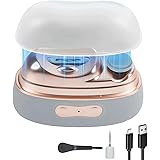
Sterilizing baby bottles can be done through various methods: boiling, steam sterilization (electric or microwave), or using UV sterilizers. Always check the manufacturer’s instructions, as not all materials are suitable for all sterilization methods. For example, some plastics may degrade with repeated boiling, while glass withstands high temperatures without issue.
Streamlining Your Routine with Easy-Clean Bottle Systems
Consider bottle systems that are dishwasher-safe (top rack only). This feature can significantly simplify your daily routine. Furthermore, look for bottles that come with cleaning brushes or accessories designed to reach all nooks and crannies. A bottle with too many intricate parts can become a breeding ground for bacteria if not cleaned thoroughly, posing a risk to your baby’s health.
The market now offers bottles that are self-sterilizing in the microwave, further reducing the workload. These thoughtful designs exemplify how modern baby products prioritize both infant health and parent convenience. Selecting bottles that fit seamlessly into your lifestyle, without compromising on hygiene, is a smart choice for any caregiver searching for the best feeding bottles for baby.
5. **Considering Specific Needs and Situations**
Every baby is unique, and some may have specific feeding requirements. For premature babies, specialized bottles with even slower flows and smaller nipples are available. Babies with conditions like cleft palate may require assistive feeding devices or specialized bottles designed to create a better seal and prevent aspiration.
For parents who frequently travel, collapsible or lightweight bottles can be a lifesaver. Bottles that easily convert into sippy cups or food containers also offer long-term value. Thinking ahead about your baby’s growth and your family’s lifestyle can guide you towards a bottle system that adapts to evolving needs.
Tailoring Your Choice: From Premature Infants to On-the-Go Parents
If you’re managing a baby with severe reflux, bottles with angled designs or those specifically engineered for thicker formulas might prove beneficial. Consult your pediatrician or a lactation consultant if your baby experiences persistent feeding challenges. They can offer personalized recommendations based on your baby’s medical history and feeding patterns.
Ultimately, the “best feeding bottles for baby” isn’t a one-size-fits-all answer. It’s about informed choices, adapting to your baby’s cues, and prioritizing safety and comfort. With a deeper understanding of materials, nipple mechanics, anti-colic features, and hygiene, you can confidently navigate the vast market and select the ideal feeding solutions for your little one.