Caring for an infant’s delicate skin can often feel overwhelming, yet the truth is that optimal baby skincare emphasizes simplicity and precision, not a multi-step regimen. As highlighted in the accompanying video by board-certified dermatologist Dr. Sam Ellis, understanding the unique needs of infant skin and addressing common concerns with expert-backed strategies is paramount for new parents and caregivers. This comprehensive guide expands on those critical insights, delving deeper into the ‘why’ behind expert recommendations and providing actionable steps to cultivate a healthy skin environment for your little one, from gentle cleansing routines to managing specific conditions like cradle cap, eczema, and diaper rash, all while prioritizing crucial sun protection.
Embracing Simplicity: The Foundation of Effective Baby Skincare
In the realm of infant care, less is often genuinely more, a principle that strongly applies to maintaining healthy baby skin. Many parents, driven by a desire to provide the best, inadvertently overcomplicate their baby’s routine with an array of products. However, a minimalist approach not only reduces potential irritants but also streamlines a caregiver’s already demanding schedule. The core necessities for most babies typically boil down to just three essential items: a gentle, tear-free cleanser, a protective zinc-based diaper cream, and a broad-spectrum mineral sunscreen for infants six months and older, significantly simplifying daily care.
Despite the prevailing trend of heavily fragranced personal care products, baby skin demands a different consideration. Infants possess a more permeable skin barrier and an immature immune system, rendering them more susceptible to developing sensitivities and contact allergies from synthetic fragrances and potent plant essential oils. Opting for fragrance-free formulations, therefore, acts as a proactive measure, removing a variable that could potentially trigger adverse reactions. Conversely, if an existing fragranced product is already well-tolerated by your baby, there’s no inherent danger in continuing its use; the caution primarily applies when establishing a new regimen from the ground up.
Furthermore, recognizing when a skin concern warrants professional medical attention is a vital component of responsible baby skincare. While numerous benign rashes are common in infancy, persistent or discomforting skin issues should always prompt a consultation with a pediatrician or dermatologist. Indicators such as visible pain or discomfort, accompanying fever, or changes in behavior—including poor feeding or disturbed sleep—serve as critical red flags. Seeking early medical advice not only provides peace of mind but also facilitates timely intervention, preventing minor issues from escalating into more severe, painful conditions for the baby.
Mastering Baby Bathing Techniques and Product Selection
The art of bathing a baby, particularly in their earliest weeks, requires both tenderness and careful adherence to safety protocols. During the initial 1-2 weeks post-birth, pediatricians typically advise sponge baths to keep the umbilical stump dry until it naturally detaches, preventing infection and promoting proper healing. This method involves gently wiping down isolated body parts with a warm, damp cloth and mild cleanser, systematically moving from head to toe while keeping the rest of the baby swaddled for warmth and comfort. One practical tip is to clean the diaper area last, as this often stimulates urination, containing any mess before the diaper is fully removed.
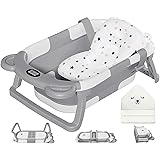
Transitioning to traditional baths where the baby is partially submerged introduces additional considerations for safety and comfort. Water temperature is critically important; every year, emergency rooms treat infants for bathwater burns, underscoring the necessity of checking the water’s warmth with your hand to ensure it’s comfortably lukewarm, never hot. Similarly, maintaining a warm room temperature is crucial, as infants rapidly lose body heat due to their high surface area-to-volume ratio, making a small bathroom heater a prudent investment to prevent chilling during and after the bath.
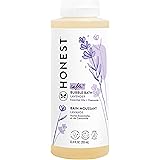
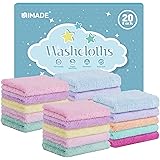
When selecting bathing products, simplicity once again triumphs. A single, tear-free, two-in-one baby wash and shampoo, such as the CeraVe Baby Wash & Shampoo, streamlines the process while minimizing ingredient exposure. During cleansing, using clean fingertips rather than abrasive washcloths is generally preferred for the baby’s delicate skin, ensuring gentle application of pressure, especially in skin folds where milk dribbles or debris can accumulate. However, for soiled diaper areas, soft muslin washcloths can be beneficial, provided they are used once and immediately laundered to maintain hygiene and prevent cross-contamination.
The frequency of bathing is surprisingly flexible, largely dependent on the baby’s activity level and visible soiling. Most infants only require a full wash with soap one to two times a week; however, daily baths are perfectly acceptable if your baby enjoys them, provided soap is not used every time. For instance, many parents opt for daily water-only baths, reserving the use of cleanser for specific days, thus striking a balance between hygiene and preserving the skin’s natural moisture barrier. This approach prevents excessive dryness while still offering the sensory benefits of a warm bath.
Understanding and Managing Common Baby Skin Conditions
Cradle Cap (Infant Seborrheic Dermatitis)
Cradle cap, medically termed infant seborrheic dermatitis, manifests as greasy, yellowish, adherent crusts on an infant’s scalp, a condition that while cosmetically concerning to parents, rarely causes discomfort to the baby. This common skin condition typically resolves spontaneously over several months without intervention. However, for parents wishing to expedite its resolution, consistent daily shampooing with a gentle baby shampoo is the primary recommendation, aimed at gently loosening and removing the scales. In more persistent cases, an antifungal shampoo containing 1% ketoconazole, like Nizoral (though care must be taken to avoid eye contact as it is not tear-free), can be effective due to its yeast-fighting properties, as Malassezia yeast is thought to play a role in its development.
Alternatively, pre-treating the scalp with 100% mineral oil a few hours before bath time can significantly soften the scales, making them easier to gently lift away during washing. Specialized tools, such as the FridaBaby Flake Fixer, provide an integrated solution for lathering, loosening, and lifting scales, offering an effective alternative to traditional baby brushes. This multi-pronged approach underscores the importance of gentle, consistent care over aggressive scrubbing, which can irritate the delicate infant scalp and potentially worsen the condition.
Neonatal Acne and Milia
Often mistaken for one another, neonatal acne (or neonatal cephalic pustulosis, as dermatologists fancy) and milia represent distinct, yet common, transient skin phenomena in infants. Neonatal acne typically emerges around the third week of life, characterized by small red papules and white pustules primarily on the cheeks, chin, and forehead, notably lacking the blackheads or open comedones seen in adolescent acne. While its exact etiology remains debated, an overgrowth of Malassezia yeast on the skin is a suspected contributing factor. Crucially, this type of mild acne usually resolves spontaneously by the three-month mark without scarring, rendering aggressive treatment unnecessary for most infants.
However, for cases causing significant parental concern, a dermatologist might prescribe a mild 2% ketoconazole cream or recommend an over-the-counter clotrimazole cream, often found in the athlete’s foot aisle, applied once daily for a few days to target the yeast component. In contrast, milia are minute, pearl-like white bumps (keratin-filled cysts) that appear on the baby’s nose, cheeks, and forehead, present from birth in many newborns. Unlike adult milia, which sometimes require extraction, infant milia nearly always clear completely on their own within one to two months, necessitating no treatment. The key distinction lies in their pathophysiology: milia are trapped protein beneath the skin, whereas neonatal acne involves inflammation and possibly yeast.
Atopic Dermatitis (Eczema) in Infants
Atopic dermatitis, commonly known as eczema, is a chronic inflammatory skin condition that can significantly distress both infants and their parents, affecting up to 20% of children globally. It is largely driven by a complex interplay of genetic predisposition and environmental triggers, with a higher incidence observed in babies with a family history of eczema, asthma, or seasonal allergies. In infants, eczema typically first appears as red, scaly, itchy patches on the cheeks, often exacerbated by drooling, before potentially spreading to the trunk and extremities as the child grows. The intense pruritus (itching) associated with eczema can severely impact an infant’s sleep, feeding, and overall well-being, highlighting the critical need for effective management.
Early consultation with a pediatrician or dermatologist experienced in treating eczema is strongly advised, even for seemingly mild cases. The unpredictable flaring nature of eczema necessitates a robust management strategy and a responsive healthcare team. Central to any effective eczema treatment regimen, irrespective of severity, is consistent, diligent moisturization. Studies, while not definitively proving moisturization prevents eczema development, unequivocally demonstrate its role in managing symptoms and improving skin barrier function in affected infants. Parents should apply a thick, emollient moisturizer, such as the Pipette Baby Lotion or Aveeno Baby Daily Moisture Lotion, at least twice daily, even before a formal diagnosis, to help fortify the compromised skin barrier and reduce inflammation. This proactive approach not only provides symptomatic relief but also arms parents with an essential tool in their ongoing battle against this challenging condition.
Combating Diaper Rash: Prevention and Treatment Strategies
Diaper rash, a ubiquitous concern for parents, typically arises from a combination of prolonged wetness, friction, and the irritating chemical compounds found in urine and stool. The compromised skin barrier then becomes a fertile ground for secondary infections by bacteria and yeast, while certain abrasive wipes or chemical irritants within wipes can further exacerbate the condition. Moreover, pre-existing skin conditions like atopic dermatitis or psoriasis can significantly heighten a baby’s susceptibility to severe or persistent diaper rash, making early and aggressive intervention crucial for relief.
The cornerstone of diaper rash management is meticulous diaper hygiene and maximizing air exposure. Frequent diaper changes, ideally every two hours for babies experiencing a rash, are paramount to minimizing contact with irritants. Furthermore, allowing the baby “air time” without a diaper, even for short periods, promotes healing by reducing moisture and friction. The choice of diaper also plays a role; super-absorbent disposable diapers, like Coterie or Pampers, are generally preferred over cloth diapers during a rash episode due to their superior ability to wick moisture away from the skin. When cleaning, opt for gentle, fragrance-free wipes, such as WaterWipes, and avoid aggressive scrubbing, aiming only to remove visible soil without stripping the skin’s protective barrier.
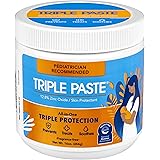
Barrier creams are indispensable in both preventing and treating diaper rash. These zinc oxide-based formulations, like Desitin or Triple Paste, create a physical shield between the baby’s delicate skin and irritants. The key to effective application is to apply a thick layer, akin to “frosting a cake,” ensuring comprehensive coverage. Importantly, parents should not meticulously remove all existing cream with each diaper change, especially after only urination. Instead, simply wipe away soiled portions and apply a fresh, generous layer over the remaining cream. This technique minimizes friction and further irritation to already compromised skin, fostering a consistent protective barrier that is vital for healing.
Shielding Delicate Skin: Essential Sun Protection for Infants
Protecting infants from the sun’s harmful ultraviolet (UV) radiation is a non-negotiable aspect of comprehensive baby skincare, particularly given their immature melanogenesis and thinner skin. The primary directive for all infants, especially those under six months, is strict avoidance of direct sun exposure. Babies lack the physiological capacity to effectively regulate their body temperature or communicate discomfort, placing them at high risk for overheating and sunburn. Sunscreen packaging often advises use for babies six months and older, not because it’s harmful to younger infants, but because babies under six months should ideally not be in situations requiring sunscreen at all.
For all age groups, sun-protective clothing stands as the most effective and safest form of sun defense. Brands like Mott 50, Coolibar, and Patagonia offer excellent UPF-rated garments that block a significant percentage of UV rays. Even non-UPF long sleeves, pants, and wide-brimmed hats provide substantial protection. Instilling the habit of hat-wearing from a young age is a pragmatic tip from dermatologists, as early exposure helps children adapt to the sensation, reducing resistance as they grow. Cultivating these sun-protective behaviors early on is a lifelong investment in skin health, significantly reducing future risks of skin damage and skin cancer.
While sun-protective clothing forms the bedrock, sunscreen plays a crucial supplementary role, particularly for exposed areas on infants six months and older. The debate between mineral (physical) and chemical UV filters often concerns parents. Mineral sunscreens, containing zinc oxide and/or titanium dioxide, physically block UV rays and are generally considered less irritating, making them a preferred choice for sensitive infant skin. Chemical filters, while effectively absorbing UV light, have raised some absorption concerns, though no long-term harm to human health has been established in adults. For cautious parents, mineral sunscreens like Pipette Baby Mineral Sunscreen SPF 50 (note: not water-resistant), Blue Lizard Baby Mineral Sunscreen SPF 50 (80 mins water-resistant), and EltaMD UV Pure Sunscreen offer excellent protection with minimal white cast.
However, the overall formulation of a sunscreen often dictates its irritation potential more than the specific filter type. Many chemical sunscreens are very gentle, just as some mineral formulas can be harsh. The ultimate goal is consistent application of a broad-spectrum, water-resistant sunscreen that your child will tolerate. When combining sun protection with bug repellent, always apply sunscreen first, allowing it to form its barrier, and then layer bug spray on top. This sequential application ensures maximum efficacy for both products, providing comprehensive outdoor defense for your infant.