Caring for a newborn’s delicate skin can feel overwhelming. Many parents wonder about the best products. Concerns often arise about safety and effectiveness. This is especially true when dealing with sensitive baby skin. Dr. Imran Patel shares crucial advice in the video above. His insights guide new parents towards healthier choices. We will delve deeper into his expert recommendations here.
The advice focuses on what to avoid and what to embrace. It helps keep your baby’s skin healthy. Understanding these points is key for proper baby skincare. Let’s explore essential tips for your little one.
The Dangers of Talcum Powder for Baby Skin
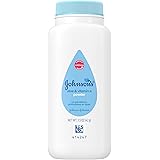
Dr. Patel issues a clear warning. He states, “Powders bilkul bhi nahi.” This translates to “No powders at all.” It is a strong directive for a good reason. Talcum powder contains fine particles. These particles pose significant health risks to infants. Imagine tiny dust motes floating in the air. Babies can easily inhale these. Their respiratory systems are still developing. Inhaling these particles can cause serious issues. This affects their breathing tubes and lungs.
Respiratory distress can be frightening. It may lead to coughing or wheezing. Longer-term lung problems are also a concern. Therefore, talcum powder is a definite “big no.” Parents should avoid using it entirely. There are safer alternatives for managing moisture. Cornstarch-based powders can be used. Always apply them away from the baby’s face. Diaper creams offer better protection. They create a barrier against wetness. This helps prevent diaper rash and keeps sensitive baby skin dry.
Embracing Gentle Moisturizers for Baby Skincare
The expert’s advice is clear on moisturizers. Dr. Patel states, “Moisturizer, yes, aap use kar sakte ho.” A good moisturizer is beneficial. Babies have very thin skin. Their skin barrier is not fully developed. This makes it prone to dryness. It also loses moisture quickly. A gentle moisturizer helps keep their skin hydrated. It protects against environmental factors.
Opt for organic moisturizers. These typically contain fewer chemicals. Look for products free from harsh fragrances. Dyes and parabens are also common irritants. Natural ingredients are often best. Shea butter, chamomile, and calendula are good choices. Apply moisturizer with a light hand. Do this gently after a bath. It helps lock in moisture effectively. This routine supports healthy, sensitive baby skin. It prevents dryness and discomfort.
Understanding Sunscreen for Sensitive Baby Skin
Sun protection is vital. Dr. Patel emphasizes using sunscreen. However, there’s a crucial age limit. Sunscreen is for babies six months and older. Babies under six months have extremely delicate skin. Their skin absorbs chemicals more readily. Therefore, direct sunscreen application is not recommended. Imagine their skin as a very thin sponge. It soaks up everything. For younger infants, seek shade. Use protective clothing instead. Wide-brimmed hats are excellent. Long-sleeved outfits also help. These physical barriers are safest for newborns.
Choosing the Right SPF and Type of Sunscreen
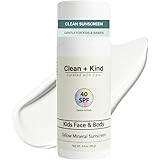
For babies over six months, select wisely. Dr. Patel recommends SPF 30+. SPF stands for Sun Protection Factor. A higher SPF offers more protection. Look for “organic sunscreen” or “physical sunscreen.” These are also known as mineral sunscreens. They contain zinc oxide or titanium dioxide. These ingredients sit on the skin’s surface. They act as a physical barrier. This reflects harmful UV rays. Imagine tiny mirrors on the skin. They bounce the sun’s rays away. This is safer for sensitive baby skin. Chemical sunscreens work differently. They absorb UV rays. This can cause irritation for some infants.
Always choose sunscreens “without chemicals.” This means avoiding oxybenzone and octinoxate. These chemicals can be absorbed into the bloodstream. They may cause allergic reactions. Physical sunscreens are generally hypoallergenic. They are much kinder to delicate skin. Protecting your baby from UV rays is crucial. The sun’s harmful UVA and UVB rays cause sunburn. They also contribute to long-term skin damage. While cultural acceptance of sunscreen may vary, its importance remains universal. Apply sunscreen generously. Reapply it every two hours, or after swimming. This ensures continuous protection for your child.