When you’re navigating the beautiful, chaotic world of new parenthood, every minute counts, and every penny saved feels like a triumph. I remember those early days, staring at a mountain of soiled wipes, wondering if there was a more efficient—and less wasteful—way to manage the constant cycle of baby diaper changes. It often felt like we were using half a pack of wipes for a single incident, leading to both financial strain and a nagging environmental guilt. The video above offers a fantastic, straightforward tip that truly resonates with this universal new parent dilemma: how to effectively clean your baby while simultaneously learning to save wipes. This seemingly small adjustment in technique can lead to significant cumulative savings, benefiting both your wallet and the planet. Let’s delve deeper into this clever hack and other crucial aspects of hygienic and efficient baby care.
The Clever Diaper Fold: A Game-Changer for Saving Wipes
The core insight from the video is brilliantly simple yet profoundly effective: utilizing the soiled diaper itself for the initial cleanup. Instead of immediately reaching for a fresh wipe, the technique involves gently folding the dirty diaper inward and using a clean section of it to remove the bulk of solid waste from your baby’s bottom. This primary maneuver significantly reduces the amount of residue that subsequent wet wipes need to tackle. It’s not just a clever trick; it’s a strategic approach to resource management during a baby diaper change.
This method works by concentrating the most substantial mess onto a material already destined for disposal, thereby preserving your valuable wet wipes for the finer, more delicate cleaning. For new moms, this translates directly into fewer wipes used per change, making your packs last longer. It means fewer trips to the store, less money spent, and a smaller carbon footprint.
Quantifying the Impact: How Saving Wipes Adds Up
The video suggests saving “two to three wipes per day” by adopting this technique. Let’s extrapolate this minor daily saving into a substantial annual impact. Consider an average scenario where a baby uses 6-8 diapers per day. If you save just 2 wipes per change for half of those changes (e.g., 4 changes), that’s 8 wipes saved daily. Multiply that by 365 days, and you are conserving approximately 2,920 wipes annually. If an average pack contains 80 wipes and costs around $4, this single technique could save you over $140 per year on wipes alone. For families with multiple children or prolonged diapering periods, these figures could double or even triple.
Beyond the financial aspect, the environmental benefit is undeniable. Each year, billions of disposable wipes contribute to landfill waste and block sewage systems when flushed improperly. While small individually, a reduction of nearly 3,000 wipes per year from a single household contributes to a larger collective effort towards sustainable baby care. This approach isn’t just about saving money; it’s about fostering more eco-conscious parenting habits from day one.
Advanced Hygiene Protocols for Infant Care
While saving wipes is a fantastic goal, it must never compromise your baby’s hygiene or skin health. The on-screen text in the video rightly emphasizes proper hygiene practices. A meticulous approach to each baby diaper change is paramount in preventing uncomfortable conditions like diaper rash and ensuring optimal infant hygiene. Let’s dissect the critical steps:
Step 1: Establishing a Sterile Diaper Changing Zone
Before you even begin the baby diaper change, ensure your changing station is prepped and clean. Gather all necessary supplies: a fresh diaper, your chosen wipes, diaper cream (if needed), and a small bag for soiled items. A clean, disinfected surface is crucial. Many pediatric dermatologists advocate for a dedicated changing area that can be easily wiped down after each use, minimizing the spread of bacteria. This proactive measure establishes a hygienic foundation for the entire process.
Step 2: Leveraging the Diaper for Initial Cleanup
As demonstrated, open the soiled diaper and, holding your baby’s ankles gently to lift their bottom, use a clean section of the dirty diaper to sweep away the majority of solid waste. Fold the dirty diaper inward, ensuring the soiled part is contained, and set it aside within reach but out of the immediate cleaning zone. This prevents the primary waste from contaminating your baby or the changing surface further. This step, particularly for new moms, streamlines the subsequent wiping process, making it less messy and more efficient.
Step 3: The Science of Wiping: Front to Back Precision
This is a non-negotiable rule for infant hygiene. Always wipe from front to back, especially for baby girls. This directional wiping technique is critical for preventing the transfer of bacteria from the anal area towards the urethra and genital region. In baby girls, improper wiping can lead to urinary tract infections (UTIs) or vulvovaginitis. For baby boys, while the risk of UTIs is lower, front-to-back wiping still ensures comprehensive cleanliness of the perineal area. Use a fresh section of the wipe for each pass, or a new wipe if necessary, until the area is thoroughly clean. Ensure you clean all creases and folds of the skin, as moisture and waste can accumulate there, leading to irritation or fungal growth.
Step 4: Post-Change Hand Hygiene: A Non-Negotiable Step
Once the baby diaper change is complete, the soiled diaper is disposed of properly (sealed in a diaper pail or bag), and a fresh diaper is secured, your hands are the next priority. Thorough handwashing with soap and water is essential. The Centers for Disease Control and Prevention (CDC) recommends scrubbing for at least 20 seconds, ensuring all surfaces of your hands are cleaned. This final step is crucial for preventing the spread of germs and maintaining the overall health of your household. For situations where soap and water are not immediately available, such as during travel, a hand sanitizer with at least 60% alcohol content can be used as an interim measure, though handwashing remains the gold standard.
Beyond the Basics: Protecting Baby’s Delicate Skin and Preventing Diaper Rash
A baby’s skin, especially in the diaper area, is incredibly delicate and prone to irritation. Consistent, thorough, yet gentle cleaning is key to maintaining the integrity of their epidermal barrier and preventing common skin issues. New mom tips often highlight the importance of not just cleaning but *how* you clean.
Choosing the Right Wipes: Factors for Skin Health
While the goal is to save wipes, the quality of the wipes you do use matters significantly for infant hygiene. Many conventional wipes contain fragrances, alcohol, parabens, or phthalates that can irritate sensitive skin. Research by organizations like the American Academy of Pediatrics suggests opting for wipes that are fragrance-free, alcohol-free, and hypoallergenic. Some parents even prefer water-based wipes or using a soft cloth with warm water, especially for newborns or babies with extremely sensitive skin or eczema. The composition of the wipe plays a crucial role in preventing contact dermatitis and maintaining skin pH balance.
Understanding and Preventing Diaper Dermatitis
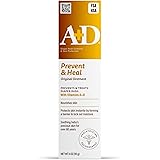
Diaper dermatitis, commonly known as diaper rash, is a prevalent concern for new parents. It manifests as red, inflamed skin in the diaper area and is primarily caused by prolonged exposure to moisture, friction, and irritants from urine and feces. Implementing the proper cleaning techniques discussed earlier, combined with proactive skin care, is your best defense. After cleaning, ensure the area is completely dry before applying a fresh diaper. Patting gently with a soft cloth rather than rubbing can prevent further irritation. A barrier cream containing zinc oxide or petrolatum can then be applied to create a protective layer between the skin and potential irritants. Regular checks and immediate diaper changes when soiled are critical interventions in preventing and managing this common condition, ensuring your baby’s comfort and optimal skin health.
Sustainable Baby Care: Integrating Eco-Conscious Practices
The conversation around saving wipes naturally extends to broader sustainable parenting practices. While disposable wipes offer convenience, their environmental footprint is undeniable. For parents deeply committed to eco-friendly baby products, reusable cloth wipes present a viable alternative. Made from soft materials like bamboo or organic cotton, these wipes can be laundered alongside cloth diapers or other baby laundry. Initially, the upfront cost might be higher, but over time, they offer significant financial savings and drastically reduce waste. Data from environmental studies indicates that switching to reusable options for just a portion of your baby’s needs can substantially decrease household waste output, aligning with global efforts towards a more sustainable future for infant care.
Expert Diaper Changing Strategies for Every Parent
Even seasoned parents occasionally face challenging diaper changes, particularly with a squirmy infant or a “blowout” situation. Having a few expert strategies in your arsenal can make all the difference:
- **The Readiness Checklist:** Always have everything within arm’s reach *before* you start. This includes a fresh diaper, wipes, cream, and a change of clothes if necessary. This minimizes the time your baby is exposed and prevents you from leaving them unattended.
- **Engage and Distract:** A moving target makes diaper changing difficult. Keep your baby engaged with a favorite toy, a song, or simple conversation. This distraction can make them more cooperative.
- **The “Catch-All” Diaper:** For potential blowouts, especially during the removal of a heavily soiled diaper, strategically place the fresh diaper under your baby’s bottom while you clean. It acts as a secondary barrier, ready to catch any unexpected surprises.
- **Travel-Friendly Solutions:** When on the go, a portable changing mat and a small, sealed wet bag for soiled items are invaluable. Pre-portioning wipes into smaller travel containers can also help manage consumption.
Adopting these refined baby diaper change techniques and integrating mindful approaches to infant hygiene can transform a routine task into an efficient, cost-effective, and environmentally responsible practice. By applying these new mom tips, you not only ensure your baby’s cleanliness and comfort but also contribute to smart, sustainable parenting.
Wipe Out Your Diaper Doubts: Q&A
What is the main tip for saving baby wipes during a diaper change?
The key tip is to use a clean section of the soiled diaper itself to gently remove the bulk of solid waste before reaching for fresh wipes. This reduces the number of wipes needed for thorough cleaning.
Why is it important to wipe a baby from front to back?
Wiping from front to back is crucial to prevent the spread of bacteria from the anal area to the urethra and genital region. This technique is especially important for baby girls to help avoid urinary tract infections (UTIs).
What are some basic steps to prevent diaper rash?
To prevent diaper rash, ensure your baby’s skin is thoroughly cleaned and completely dry after each change. Applying a barrier cream, like one with zinc oxide, can also create a protective layer.
Why is handwashing important after changing a baby’s diaper?
Thorough handwashing with soap and water after a diaper change is essential to prevent the spread of germs. This step helps maintain hygiene for both the caregiver and the baby, contributing to overall household health.