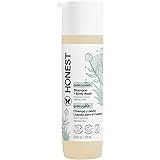
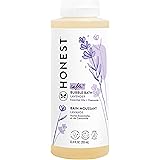
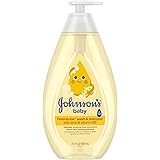
The delicate nature of an infant’s skin barrier means it is particularly susceptible to environmental stressors, especially during the harsh winter months. Indeed, data suggests that pediatric xerosis, or dry skin, is a prevalent concern for parents, often exacerbated by cold temperatures, low humidity, and indoor heating systems. As Dr. Sandip Gupta highlights in the accompanying video, proactive and informed winter skin care for babies is not merely cosmetic; it is crucial for maintaining the integrity of their developing skin and preventing discomfort. His insights provide a foundational understanding of essential products and practices, which we will now delve into with greater depth, offering expert analysis and expanding on the scientific rationale behind each recommendation.
Understanding the Unique Challenges of Infant Skin in Winter
Infant skin, significantly thinner than adult skin, possesses an immature stratum corneum and a less developed acid mantle, rendering it more permeable and prone to moisture loss. This physiological vulnerability means babies are more susceptible to dryness (xerosis), irritation, and conditions like atopic dermatitis (eczema) during winter. Low ambient humidity, coupled with the dehydrating effects of indoor central heating, strips the skin of its natural oils, leading to a compromised epidermal barrier. Consequently, the meticulous selection and application of appropriate baby skin products become paramount for protecting and nurturing their skin through the colder seasons.
Essential Lipid Barrier Support: The Role of Emollients and Oils
Effective winter skin care for babies heavily relies on supporting the skin’s lipid barrier, which acts as its primary defense against moisture loss and external irritants. Emollients and occlusives are cornerstone elements in this strategy, providing both hydration and a protective seal.
The Power of Coconut Oil for Infant Massage
As Dr. Gupta wisely suggests, coconut oil remains an excellent choice for infant massage, even in cooler weather. Its composition, rich in medium-chain fatty acids, particularly lauric acid, offers multiple benefits. Lauric acid is recognized for its antimicrobial properties, which can help protect the skin from certain pathogens. Furthermore, coconut oil acts as an effective emollient, softening and smoothing the skin by filling in the gaps between skin cells, and also serves as an occlusive agent, forming a protective layer that minimizes transepidermal water loss (TEWL). When gently warmed, as recommended by Dr. Gupta, it enhances absorption and offers a comforting experience for the infant, simultaneously promoting a soothing bonding ritual between parent and child. The presence of Vitamin E, as noted in the video, further enhances its benefits by providing antioxidant support, crucial for skin health.
Specialized Moisturizing Creams: Beyond Basic Hydration
While general oils are beneficial, targeted moisturizing creams provide specialized care, particularly for delicate areas like the face. Dr. Gupta specifically references Atogla Moisturizing Cream for facial application, recommending its use twice daily in winter. Products like Atogla are often formulated with ingredients such as ceramides, essential fatty acids, and cholesterol, which are biomimetic – meaning they mimic the natural lipid composition of the skin barrier. These components are vital for repairing and fortifying the compromised barrier, significantly reducing dryness and irritation. Unlike simpler lotions, these specialized creams are designed to deliver a sustained moisturizing effect, which is critical when battling the persistent dryness of winter.
Gentle Cleansing: Preserving the Skin’s Natural pH
The frequency and method of bathing, along with the choice of cleansing agents, profoundly impact a baby’s skin health. Aggressive cleansing can strip away vital lipids and disrupt the skin’s delicate pH balance.
The Pitfalls of Traditional Soaps on Baby Skin
Dr. Gupta’s caution against using traditional soaps for babies is rooted in sound dermatological principles. Standard soaps typically have an alkaline pH (often between 8 and 10), which is considerably higher than the physiological acidic pH of healthy infant skin (around 5.5). When exposed to an alkaline environment, the skin’s acid mantle, a protective layer formed by sebum and sweat, is disrupted. This disruption compromises the skin barrier function, leading to increased TEWL, heightened susceptibility to environmental irritants, and ultimately, excessive dryness and potential irritation. Therefore, avoiding harsh, alkaline soaps is a non-negotiable aspect of effective baby winter skin care.
Opting for pH-Balanced Cleansers: Teddy Bar and Alternatives
Instead of traditional soaps, syndet bars (synthetic detergent bars) or liquid cleansers with a neutral or slightly acidic pH (similar to skin) are recommended. The “Teddy Bar” mentioned by Dr. Gupta likely falls into this category of soap-free cleansers. These formulations utilize milder surfactants that cleanse effectively without stripping the skin’s natural oils or disturbing its pH balance. For optimal results, baths should be kept short (5-10 minutes) and with lukewarm water, minimizing prolonged exposure to water, which can paradoxically dehydrate the skin. Gentle patting dry after bathing, rather than vigorous rubbing, further preserves the skin’s delicate moisture barrier.
Nurturing Scalp Health: Preventing Dryness and Cradle Cap
The scalp, an extension of the skin, also requires specialized attention during winter, particularly to prevent dryness and common infant scalp conditions.
Selecting a Mild Baby Shampoo for Winter
To combat dryness and the formation of dandruff-like flakes, often referred to as cradle cap (seborrheic dermatitis) in infants, Dr. Gupta advises using a mild baby shampoo like “Spoo Shampoo” twice a week. These shampoos are formulated to be tear-free and free from harsh sulfates, parabens, and dyes, which can irritate the sensitive infant scalp. The goal is to gently cleanse the scalp and hair without over-drying or stimulating excessive oil production. For cradle cap specifically, a gentle massage with a soft brush during shampooing can help loosen scales, while leaving a small amount of oil (like coconut oil) on the scalp for a short period before shampooing can also aid in softening and removing stubborn flakes.
Comprehensive Hydration: All-Day Moisturizing Strategies
Consistent, comprehensive moisturizing throughout the day is the cornerstone of managing dry infant skin in winter. It’s not just about what product you use, but how often you apply it.
The Efficacy of Broad-Spectrum Baby Moisturizers: Cetaphil Baby
Dr. Gupta’s recommendation of Cetaphil Baby Moisturizer, applied three times daily in winter, highlights the need for frequent and robust hydration. Products like Cetaphil Baby are often designed with a blend of humectants and emollients. Humectants, such as glycerin or hyaluronic acid, draw moisture from the environment and deeper skin layers to the surface, while emollients (like cetearyl alcohol or petrolatum) smooth and soften the skin by creating a protective film. This dual action ensures both immediate hydration and sustained moisture retention. The increased frequency of application – three times daily – is critical because even the most effective moisturizers can wear off, and the continuous battle against dry air demands persistent reapplication to maintain the skin’s barrier function.
Protecting Delicate Areas: Lip Care for Infants
One of the most exposed and vulnerable areas on an infant’s face is their lips, which are prone to chapping in cold, dry weather.
The Necessity of Baby Vaseline for Chapped Lips
Dr. Gupta’s advice to use Baby Vaseline three to four times a day for lip health is highly practical and effective. Petroleum jelly (Vaseline) is an excellent occlusive agent, creating a robust protective barrier on the lips that locks in moisture and shields them from drying wind and cold. Infant lips are particularly susceptible to chapping due not only to environmental factors but also to habits like drooling, pacifier use, or thumb-sucking, which can constantly introduce moisture that then evaporates, leading to dryness. Consistent application of an occlusive balm forms an invaluable protective layer, preventing the painful cracking and discomfort associated with chapped lips in infants.
Implementing these expert strategies for winter skin care for babies, focusing on gentle cleansing, consistent moisturizing, and targeted protection, will significantly contribute to your child’s comfort and overall skin health during the colder months. Prioritizing these practices forms a robust defense against the harsh environmental factors that challenge delicate infant skin.
बच्चों की सर्दियों की त्वचा के लिए आपके सवाल, डॉ. संदीप गुप्ता के जवाब
Why is baby skin more sensitive to dry weather in winter?
Infant skin is much thinner and has a less developed protective barrier than adult skin. Cold temperatures, low humidity, and indoor heating in winter easily strip away natural oils, making it prone to dryness and irritation.
What kind of oil is good for baby massage in winter?
Coconut oil is an excellent choice for infant massage during cooler weather. It contains beneficial fatty acids that moisturize the skin and create a protective layer, helping to prevent moisture loss.
Why should I avoid using regular soap on my baby?
Traditional soaps often have an alkaline pH that can disrupt the natural acidic balance of a baby’s skin. This can compromise their skin’s protective barrier, leading to increased dryness and irritation.
How often should I moisturize my baby’s skin in winter?
It is recommended to moisturize your baby’s skin frequently, often three times a day in winter. Consistent application helps to continuously hydrate the skin and maintain its barrier function against dry air.