The journey of parenthood is often filled with countless decisions, especially when it comes to the delicate needs of a newborn. As explored in the video above, establishing an effective and gentle baby skincare routine is a paramount concern for many parents. It is observed that the initial products might serve their purpose for a limited time, perhaps three months, before a transition to local offerings becomes necessary due to environmental factors or prolonged stay in a new location.
A well-thought-out baby skin care regimen is not merely about applying products; it is about understanding the unique physiology of infant skin and safeguarding its natural protective barrier. The speaker in the video shares her personal approach, highlighting a minimalist philosophy that prioritizes gentle care with fewer, carefully selected products. Her experience underscores the importance of adapting product choices to suit local conditions, such as transitioning from international brands to those available domestically, or seeking pediatrician advice for specific concerns like dry skin.
Understanding Your Baby’s Delicate Skin: A Foundation for Care
A baby’s skin is remarkably different from an adult’s, requiring specialized care and attention. It is significantly thinner, often being up to 30% thinner, making it more permeable and susceptible to external irritants, dryness, and infections. Furthermore, the skin’s natural protective barrier, known as the epidermal barrier, is still developing, which means it can lose moisture more rapidly and is less effective at regulating temperature. Consequently, products chosen for a newborn skincare routine must be incredibly gentle, hypoallergenic, and free from harsh chemicals that could compromise this fragile defense.
The pH balance of baby skin also leans towards neutral, making it more vulnerable to alkaline products that can strip away natural oils and disrupt the skin’s acidic mantle. Therefore, selecting pH-balanced products is a crucial step in maintaining the integrity of this delicate organ. The objective is to support the skin’s natural functions without overwhelming it, allowing it to mature and strengthen over time. A proactive approach is thus embraced, focusing on prevention and protection rather than reactive treatment.
The Essential Steps of a Gentle Baby Skincare Routine
Developing a consistent and gentle baby skincare routine is fundamental for maintaining your child’s skin health. The steps are typically structured around daily activities like bathing and moisturizing, with additional care for specific areas such as the diaper region. The video demonstrates a practical, multi-step approach that can be adapted by other parents.
1. Nurturing with Pre-Bath Oils for Baby Skin Health
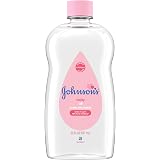
Before bath time, a gentle massage with baby oil is often incorporated into the routine. This step is not just for relaxation; it also serves to moisturize the skin and helps to loosen any dry flakes, making cleansing easier. In the video, a Mamaearth oil is mentioned, which is utilized for both body and hair, simplifying the pre-bath ritual. The selection of a high-quality baby oil, free from mineral oil and artificial fragrances, is often recommended as it allows the skin to breathe while providing essential hydration.
The act of massaging itself holds significant developmental benefits for infants. It is understood that regular massages can improve circulation, aid digestion, and strengthen the bond between parent and child. Consider this step as preparing the canvas before painting, ensuring the skin is supple and ready for a gentle cleanse. Oils rich in natural ingredients like almond, coconut, or jojoba are preferred for their nourishing properties and ability to be easily absorbed.
2. Choosing the Right Cleanser: Multi-Purpose and Mild Formulations
During bath time, the choice of cleanser is pivotal. Baby skin can be easily stripped of its natural oils by harsh soaps, leading to dryness and irritation. The speaker in the video uses a Chicco 2-in-1 product that functions as both shampoo and body wash, a sensible choice for its convenience and gentle formulation. Such multi-purpose products are typically pH-balanced and tear-free, specifically designed to avoid causing discomfort if they accidentally get into a baby’s eyes.
When selecting a cleanser, it is often suggested that parents look for terms like “hypoallergenic,” “fragrance-free,” and “dye-free” on the label. These characteristics indicate that the product has been formulated to minimize the risk of allergic reactions and irritation. A mild cleanser acts like a soft rain shower, gently washing away impurities without stripping away the vital moisture barrier, which is key for maintaining supple and healthy skin. Regular use of such gentle formulations can prevent a host of common infant skin issues.
3. The Crucial Role of Baby Moisturizers: Combatting Dryness Effectively
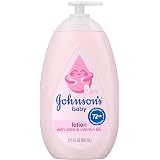
After bathing, moisturizing is arguably the most critical step in a infant skin care products routine, especially in dry climates. The video highlights a transition through several moisturizers, from Himalaya and Mamaearth to ultimately settling on Cetaphil, a choice influenced by the baby’s doctor due to persistent dry skin in a particular weather condition. This experience underscores that not all products suit every baby, and professional advice can be invaluable.
Baby moisturizers are formulated to create a protective barrier on the skin, sealing in moisture and preventing evaporation. They act much like a shield, protecting the delicate skin from environmental aggressors. Ingredients such as ceramides, glycerin, and petrolatum are often found in effective baby creams for their ability to hydrate and repair the skin barrier. For very dry skin, thicker creams or ointments are generally more effective than lotions. Applying moisturizer within minutes of bathing, while the skin is still slightly damp, helps to trap water and enhance hydration, forming a lasting protective layer against the elements.
4. Preventing and Treating Diaper Rash: A Gentle Approach
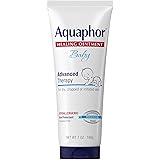
Diaper rash is a common concern for infants, and its prevention is an integral part of any comprehensive baby skin care routine. The video mentions the use of a Himalaya diaper rash cream, indicating its effectiveness in keeping the baby rash-free. Diaper rash creams typically contain ingredients like zinc oxide or petrolatum, which form a protective barrier on the skin to repel moisture and reduce friction.
To prevent diaper rash, it is often advised that diapers be changed frequently, and the baby’s bottom be thoroughly cleaned and allowed to air dry before applying a fresh diaper. The cream then acts as an additional layer of defense. This preventive measure is like reinforcing a fortress wall; it significantly reduces the chances of irritation and discomfort. Prompt application of a suitable diaper rash cream at the first sign of redness can effectively calm the skin and support its healing process, ensuring the baby remains comfortable and happy.
The “Less is More” Philosophy in Baby Skincare
A recurring theme in effective baby skincare routine is the principle of “less is more.” The speaker explicitly states that applying fewer products to children is often better, a sentiment widely supported by pediatric dermatologists. The rationale behind this philosophy is rooted in the inherent sensitivity of infant skin and its developing immune system. Each additional product, especially those with numerous ingredients, introduces a potential risk of irritation, allergic reactions, or disruption of the skin’s natural balance.
By minimizing the number of products, parents are able to more easily identify any potential irritants should a reaction occur. This focused approach reduces the cumulative exposure to fragrances, dyes, and preservatives, which are common culprits behind skin sensitivities. Consider it akin to preparing a simple, wholesome meal; fewer ingredients allow the natural goodness to shine through, minimizing the chances of digestive upset. Concentrating on a few tried-and-tested, pediatrician-recommended items ensures that the baby’s skin receives optimal care without unnecessary burden.
Navigating Product Transitions and Environmental Changes
The speaker’s experience of transitioning from products brought from the Netherlands to local Indian products, and then adapting the moisturizer due to “very dry weather,” highlights a crucial aspect of baby skincare: adaptability. Environmental factors, such as humidity levels, temperature, and even water quality, can significantly impact a baby’s skin health. What works effectively in one climate might prove insufficient or even detrimental in another, necessitating adjustments to the skincare regimen.
When relocating or experiencing significant seasonal changes, it is often advisable to observe the baby’s skin closely for any signs of dryness, redness, or irritation. This vigilant observation allows for proactive adjustments, preventing minor issues from escalating. Furthermore, consulting local pediatricians or dermatologists can provide invaluable guidance, as they possess knowledge of regional skin challenges and product recommendations tailored to the specific environment. This flexible approach ensures that the baby’s skin remains optimally protected and nourished regardless of external conditions.
When to Consult a Pediatrician for Baby Skin Concerns
While a general baby skincare routine can be managed by parents, there are instances when professional medical advice becomes indispensable. The video’s speaker proactively sought her pediatrician’s recommendation for a better baby cream after noticing her baby’s skin was becoming dry, even with other products. This highlights the importance of not hesitating to consult a doctor when in doubt or when standard measures are not yielding desired results.
Parents are encouraged to seek professional guidance if they observe persistent rashes that do not respond to over-the-counter creams, severe dryness leading to cracking or bleeding, signs of infection such as pus or fever, or widespread skin conditions like eczema or hives. A pediatrician or pediatric dermatologist can accurately diagnose the issue, provide tailored treatment plans, and offer specific product recommendations that align with the baby’s unique skin needs. Early intervention often prevents more complex issues from developing, ensuring the baby’s skin remains healthy and comfortable.
Embracing a minimalistic yet effective baby skincare routine, as demonstrated in the accompanying video, is a foundational element in nurturing a baby’s delicate skin. The process involves careful product selection, consistent application, and a willingness to adapt based on environmental factors and expert advice. By prioritizing gentle, pediatrician-recommended products for cleansing, moisturizing, and specific concerns like diaper rash, parents are able to provide the best possible care, ensuring their little one’s skin remains healthy and protected.
আপনার ছোট্ট সোনার ত্বকের যত্নে সব জিজ্ঞাসা: প্রশ্ন ও উত্তর
What makes a baby’s skin different from an adult’s?
A baby’s skin is significantly thinner and more permeable than an adult’s, making it more susceptible to irritants and moisture loss. Its natural protective barrier is also still developing, requiring specialized care.
What are the essential steps in a gentle baby skincare routine?
A gentle baby skincare routine typically involves a pre-bath oil massage, using a mild cleanser during bath time, moisturizing immediately after, and preventing diaper rash with a protective cream.
What kind of products should I look for when caring for my baby’s skin?
It’s best to choose products that are gentle, hypoallergenic, fragrance-free, dye-free, and pH-balanced. These formulations help protect your baby’s delicate skin barrier and minimize the risk of irritation.
When should I consult a pediatrician about my baby’s skin concerns?
You should consult a pediatrician if you observe persistent rashes that don’t improve with home care, severe dryness leading to cracking, signs of infection, or widespread skin conditions like eczema.