Parents worldwide share a common goal: ensuring their little ones are happy and healthy, and that includes nurturing their delicate skin. If you’ve just watched Dr. Sagul Ramanuja Mugunthan’s insightful video above, you’ve already started a valuable journey into understanding comprehensive baby skincare routine practices. Many parents, like you, often wonder about the best ways to care for their baby’s sensitive skin, what products to use, and how to establish a consistent routine that promotes health and a natural glow. This article expands on the doctor’s expert advice, offering detailed insights and practical tips to help you provide the best possible care for your child.
Why Your Baby’s Skin Needs Special Care
Understanding the unique characteristics of infant skin is the first step in effective baby skincare. Unlike adult skin, which is robust and has multiple protective layers, a baby’s skin is significantly thinner and less developed. This means it’s more permeable, allowing substances to enter more easily, and it’s also more prone to dryness and irritation.
Imagine comparing a single sheet of paper to a thick book. The single sheet, much like a baby’s skin, is fragile and easily damaged. The thick book, with its many layers, represents adult skin, which offers far greater protection. This thinness makes babies particularly vulnerable to environmental factors like harsh weather, pollutants, and certain chemicals found in everyday products. Their skin barrier function, which keeps moisture in and irritants out, isn’t fully mature. Therefore, a dedicated and gentle baby skincare routine is not just beneficial; it’s essential for their comfort and long-term skin health.
The Essential Three-Step Baby Skincare Routine
As highlighted in the video, a consistent three-step process is crucial for maintaining your baby’s skin health. This routine, which many parents successfully adopt, includes: massage, bath, and moisturize. These steps, when followed regularly, work synergistically to hydrate, protect, and soothe your baby’s skin. Let’s delve into each component to understand its importance and how to execute it effectively.
Step 1: The Nourishing Baby Massage
Daily oil massage offers a myriad of benefits that go far beyond just skin hydration. It’s a cherished ritual that contributes significantly to your baby’s physical and emotional well-being.
- Enhanced Hydration and Blood Circulation: Regular massage helps maintain the skin’s moisture balance, preventing dryness. Furthermore, the gentle strokes increase blood circulation, which promotes a healthy, natural glow.
- Muscle Relaxation and Improved Sleep: The soothing touch helps relax your baby’s muscles, making them feel more comfortable and promoting better, more restful sleep. This can be a huge relief for overtired babies and parents alike.
- Colic Relief: For babies suffering from colic pain, abdominal massage can provide significant comfort, helping to ease discomfort and gas.
- Parent-Baby Bonding: This dedicated time fosters a deep connection between parent and child. The skin-to-skin contact, gentle touch, and focused attention strengthen your bond, creating lasting memories.
When selecting a massage oil, purity is paramount. The video suggests options like coconut oil and almond oil. Almond oil is particularly beneficial due to its richness in Vitamin E, an antioxidant that can help reduce oxidative stress on the skin. It’s also known to soothe skin inflammation, making it a good choice for babies with conditions like eczema or atopic dermatitis, potentially aiding in healing rashes. Always opt for cold-pressed or “sekku aatina enna” (unrefined oils) to ensure they are free from chemicals and fertilizers. After the massage, allow the oil to absorb for 10 to 20 minutes before the bath, letting its benefits fully penetrate the skin.
Step 2: Gentle Bathing for Delicate Skin
Bathing is more than just cleaning; it’s a sensory experience for your baby. The key is to make it gentle and effective. The temperature of the bathwater is crucial; it should be lukewarm, ideally around 37 to 38 degrees Celsius (98.6 to 100.4 degrees Fahrenheit). This is approximately body temperature and helps prevent both chilling and scalding. You can easily achieve this by mixing hot and cold water if you don’t have a heater, ensuring a comfortable temperature for your little one.
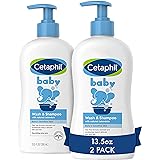
Choosing the right cleansing product is equally important. While baby soaps are common, a baby body wash is often preferred, especially for babies with sensitive skin, dryness, eczema, or atopic dermatitis. Some soaps can strip the skin of its natural oil layer, leading to dryness and compromising the skin barrier. Look for products that are:
- Sulfate and Paraben-Free: These chemicals can be harsh and irritating to delicate skin.
- pH-Balanced (around 5.5): Baby skin has a slightly acidic pH. Using products with a similar pH helps maintain the skin’s natural barrier and prevents irritation, even if it gets into their eyes. This level is gentle and helps preserve the skin’s protective mantle.
A good body wash will cleanse effectively without removing essential moisture, leaving the skin soft and ready for the next step in the baby skincare routine.
Step 3: Locking in Moisture for Baby’s Skin
The moisturizing step is arguably one of the most vital components of a comprehensive baby skincare routine. The crucial timing for moisturizer application is within three minutes of drying your baby after their bath. This “three-minute rule” is highly effective because immediately after a bath, the skin still retains some moisture. Applying moisturizer at this point helps to lock that water into the skin. The moisturizer forms a protective layer, preventing the internalized water from evaporating and keeping the skin hydrated for longer.
Beyond retaining moisture, this barrier also shields your baby’s delicate skin from external aggressors such as pollutants, toxins, and germs. This added protection is particularly important given the thinness of infant skin. When selecting a moisturizer, apply the same strict criteria used for bath products:
- Toxic Chemical-Free: Avoid products with unnecessary fragrances, dyes, sulfates, or parabens.
- Skin-Friendly Ingredients: Look for gentle, nourishing ingredients, often plant-based, that support skin health.
- pH 5.5: As with cleansers, a pH-balanced moisturizer helps maintain the skin’s natural acidity and barrier function.
Consistent moisturizing ensures your baby’s skin remains soft, supple, and well-protected against dryness and environmental irritants. This final step seals in the benefits of the massage and bath, promoting healthy, smooth, and glowing skin.
Gentle Answers for Your Baby’s Glowing Skin: Q&A
Why does a baby’s skin need special care?
A baby’s skin is much thinner and more permeable than adult skin, making it more prone to dryness, irritation, and vulnerability to environmental factors.
What are the essential steps in a baby’s skincare routine?
A consistent baby skincare routine involves three main steps: a nourishing massage, gentle bathing, and promptly moisturizing their skin.
What kind of bath products should I use for my baby?
Look for baby body washes that are sulfate and paraben-free, and ideally pH-balanced around 5.5. These products cleanse gently without irritating delicate skin.
When is the best time to moisturize my baby’s skin?
It’s most effective to apply moisturizer within three minutes of drying your baby after their bath. This helps to lock in moisture and create a protective barrier.