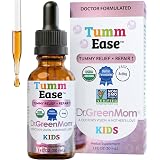
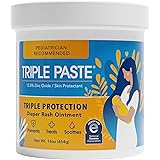
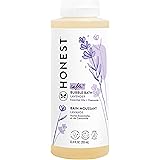
Ensuring your little one receives the gentlest care is a top priority for every parent. While the video above offers a quick visual guide, diving deeper into the specifics of selecting truly safe baby skincare products can empower you with crucial knowledge. Babies possess incredibly delicate skin, far more permeable and susceptible to external factors than adult skin. Therefore, understanding what goes into their lotions, washes, and creams is not just beneficial, it’s essential for their health and comfort.
The journey to finding the right baby skincare products can feel overwhelming, with countless options and a long list of ingredients to decipher. Our goal is to simplify this process, highlighting key considerations that help parents make informed, confident choices. Prioritizing safety means scrutinizing labels for both what to embrace and what to avoid, ensuring every product touching your baby’s skin supports its natural development and protects against irritation.
Why Baby Skin Demands Special Attention
A baby’s skin is not merely a miniature version of adult skin; it possesses unique characteristics that necessitate specific care. Its protective barrier, known as the stratum corneum, is thinner and less developed. This makes infant skin more prone to dryness, irritation, and absorption of substances applied to its surface. Furthermore, a baby’s skin has a higher surface area to body weight ratio, increasing the potential impact of any absorbed chemicals.
Their sweat glands are also still maturing, making temperature regulation a challenge. This combination of factors explains why baby skin is so susceptible to common issues like eczema, diaper rash, and general sensitivity. Choosing safe baby skincare products is therefore a proactive measure to maintain their skin’s integrity, support its natural barrier function, and prevent discomfort.
Understanding the Baby Skin Barrier
The skin barrier acts as a shield, keeping moisture in and irritants out. For newborns, this barrier is still forming, making them particularly vulnerable. Products that are harsh or contain irritating chemicals can compromise this delicate barrier, leading to dryness, redness, and even allergic reactions. Opting for products specifically formulated for infants, with a neutral pH and mild ingredients, helps to reinforce this vital protective layer.
Harmful Ingredients to Avoid in Baby Skincare Products
When selecting safe baby skincare products, knowing which ingredients to steer clear of is just as important as knowing what to look for. Many common additives in adult products can be irritating or even harmful to a baby’s developing system. Always check product labels diligently.
Here are some of the top ingredients that pediatric dermatologists and experts generally advise parents to avoid:
- Fragrances (Parfum): Often a blend of undisclosed chemicals, fragrances are a leading cause of skin irritation and allergic reactions in babies. Opt for “fragrance-free” or “unscented” products.
- Parabens: These preservatives (e.g., methylparaben, propylparaben) have been linked to hormone disruption, though more research is ongoing. Many parents choose to avoid them as a precaution.
- Phthalates: Often found in synthetic fragrances, phthalates are also endocrine disruptors and are best avoided in baby products.
- Sulfates (SLS/SLES): Sodium Lauryl Sulfate (SLS) and Sodium Laureth Sulfate (SLES) are harsh detergents that create lather but can strip natural oils from the skin, leading to dryness and irritation.
- Dyes: Artificial colors add no benefit to baby skincare and can be another source of irritation or allergic reaction.
- Formaldehyde Releasers: Preservatives like quaternium-15, DMDM hydantoin, and imidazolidinyl urea can slowly release formaldehyde, a known allergen and carcinogen.
- Alcohol (Ethanol/Isopropyl Alcohol): While some fatty alcohols are beneficial, drying alcohols can dehydrate a baby’s skin, compromising its barrier.
- Mineral Oil/Petroleum Jelly (when not purified): While highly purified versions can be safe occlusives, some parents prefer plant-based alternatives to avoid potential impurities in less refined versions.
Beneficial Ingredients to Look For
Just as important as avoiding irritants is understanding what ingredients actively support healthy baby skin. Focusing on natural, gentle, and nourishing components helps build a strong skin barrier and keeps irritation at bay. When searching for safe baby skincare products, prioritize formulations that feature these beneficial elements.
Consider products that include:
- Plant-Based Oils: Ingredients like sunflower oil, coconut oil, almond oil, and jojoba oil are rich in fatty acids and can deeply moisturize without clogging pores.
- Shea Butter & Cocoa Butter: These natural emollients are excellent for providing intense hydration and creating a protective barrier against moisture loss.
- Colloidal Oatmeal: Known for its anti-inflammatory and soothing properties, colloidal oatmeal can be particularly helpful for babies with eczema or very sensitive skin.
- Glycerin: A humectant, glycerin draws moisture into the skin, helping to keep it hydrated and supple.
- Chamomile or Calendula Extracts: These botanical extracts offer mild anti-inflammatory benefits and can soothe irritated skin.
- Zinc Oxide: A crucial ingredient in many effective diaper creams, zinc oxide provides a protective barrier and helps to heal and prevent rashes.
Always look for products labeled “hypoallergenic,” “dermatologist-tested,” “pediatrician-tested,” and “tear-free” for washes. These labels indicate that the products have undergone testing for sensitivity and are generally safer for infants.
Essential Baby Skincare Product Categories
Building a basic, effective baby skincare routine doesn’t require dozens of products. Focusing on a few key categories, selected for their safety and efficacy, is usually sufficient. When choosing safe baby skincare products, think about the core needs: cleansing, moisturizing, and protection.
Baby Washes and Shampoos
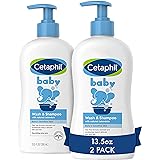
A gentle, tear-free wash is fundamental. Look for formulas that are sulfate-free and pH-balanced to avoid stripping the skin’s natural moisture. A baby’s bath doesn’t need to be daily; 2-3 times a week is often enough to prevent dry skin. Use lukewarm water and keep baths short.
Baby Lotions and Moisturizers
Regular moisturizing is crucial, especially after bathing, to lock in hydration. Choose a lotion or cream that is fragrance-free, hypoallergenic, and formulated to support the skin barrier. Ingredients like shea butter or plant-based oils are excellent for preventing dryness and flakiness.
Diaper Rash Cream
Diaper rash is a common concern. A good diaper cream creates a protective barrier against wetness and irritants. Zinc oxide is a hero ingredient here, known for its soothing and healing properties. Apply a thin layer with every diaper change, especially overnight or if a rash starts to appear.
Tips for Choosing and Using Safe Baby Skincare
Beyond ingredient lists, several practical considerations can help parents ensure their baby’s skin remains healthy and happy. Integrating these practices into your daily routine offers an additional layer of protection and care.
Consider these essential tips:
- Patch Test New Products: Before applying any new product extensively, test a small amount on a discreet area of your baby’s skin (like behind the ear or on the inner arm) and wait 24 hours for any reaction.
- Read Labels Carefully: Don’t just rely on front-of-package claims. Turn the bottle around and review the full ingredient list for any potential irritants.
- Less is More: You don’t need a multitude of products. A simple routine with a few trusted, safe baby skincare products is often the most effective. Overuse of products can sometimes lead to irritation.
- Store Products Properly: Keep skincare products in a cool, dry place away from direct sunlight to maintain their efficacy and prevent spoilage.
- Consult Your Pediatrician: If your baby has particularly sensitive skin, eczema, or any recurring skin issues, always consult your pediatrician or a pediatric dermatologist for personalized recommendations. They can guide you toward specific products or treatments tailored to your baby’s unique needs.
- Prioritize “Fragrance-Free”: This is one of the strongest recommendations for preventing skin sensitivities. Many products labeled “unscented” may still contain masking fragrances, so “fragrance-free” is generally a safer bet.
By carefully selecting safe baby skincare products and adopting a mindful approach to their application, parents can confidently protect their baby’s delicate skin, ensuring comfort and promoting overall skin health from day one.
Building Trust in Your Baby’s Skincare: Your Q&A Guide
Why is baby skin different from adult skin?
A baby’s skin is much more delicate because its protective barrier is thinner and less developed, making it more prone to dryness, irritation, and absorbing external substances.
What are some harmful ingredients to avoid in baby skincare products?
It’s best to avoid ingredients like fragrances, parabens, phthalates, sulfates, and artificial dyes, as these can irritate a baby’s sensitive skin or cause allergic reactions.
What kind of ingredients are good for baby skincare?
Look for gentle, nourishing ingredients such as plant-based oils (like sunflower or coconut), shea butter, colloidal oatmeal, and glycerin, which help hydrate and protect the skin barrier.
What basic baby skincare products do I need?
For a simple routine, you typically need a gentle, tear-free baby wash, a fragrance-free baby lotion or moisturizer, and a diaper rash cream, often with zinc oxide.
How can I safely test a new baby skincare product?
Before using a new product extensively, apply a small amount to a discreet area of your baby’s skin, like behind the ear or on the inner arm, and wait 24 hours to check for any reaction.