The journey into parenthood is frequently marked by a delightful yet overwhelming array of preparations, and understanding the essential baby items forms a cornerstone of this experience. New parents often find themselves navigating a vast landscape of products, seeking guidance on what is truly necessary for their newborn. This video provides a foundational overview, introducing numerous common baby essentials in both English and Hindi, aiding in basic vocabulary acquisition.
Complementing the visual guide, this article offers a deeper dive into the utility, safety considerations, and developmental significance of these indispensable tools. A comprehensive understanding of each item’s purpose can significantly enhance a parent’s confidence and preparedness. Furthermore, informed decisions about baby products contribute significantly to an infant’s overall well-being and growth during their crucial early months.
Nurturing Newborn Needs: Foundational Baby Items
Establishing a well-equipped environment for a newborn involves careful consideration of various categories of products, each designed to meet specific infant requirements. From feeding and soothing mechanisms to intricate hygiene protocols, the selection of appropriate gear is paramount. Parents are often advised to prioritize items that contribute to safety, comfort, and the healthy development of their child. The market offers an extensive range of options, making informed choices critically important for every family.
These foundational baby items collectively support the myriad needs of an infant, thereby allowing parents to focus more on nurturing their child. Understanding the function and importance of each item provides valuable insight into effective newborn care. Ultimately, a thoughtfully curated collection of essentials lays a strong groundwork for a baby’s early life experiences, promoting both physical and emotional security.
Feeding and Soothing Essentials
Effective feeding and soothing practices are critical for a newborn’s initial development and overall contentment. The appropriate selection of feeding tools and comfort aids greatly assists parents in these vital caregiving responsibilities. Careful attention should be paid to the materials and design of these products to ensure both safety and efficacy, aligning with established pediatric recommendations.
Baby Bottle: This indispensable item is utilized for feeding infants, whether with formula or expressed breast milk, providing a crucial alternative to direct breastfeeding. The selection of a bottle often involves considerations regarding nipple flow rates, which are typically adapted to the baby’s age and feeding pace, thereby preventing potential feeding difficulties. Material composition, such as BPA-free plastic or glass, is also a significant factor in promoting infant safety and health during feeding times, necessitating regular sterilization for hygiene maintenance.
Pacifier: A pacifier is primarily employed as a soothing mechanism, offering non-nutritive sucking that can calm a fussy infant and provide comfort. Pediatric recommendations suggest careful introduction and eventual weaning from pacifiers to prevent potential impacts on oral development or dental alignment. The ergonomic design of pacifiers is often considered, aiming to support natural palate development while minimizing pressure on emerging teeth, if applicable.
Baby Bib: Designed to protect an infant’s clothing from spills and dribbles during feeding, the baby bib is a practical accessory that significantly reduces laundry burdens. Various materials, including waterproof fabrics and absorbent cotton, are commonly used in bib construction, catering to different levels of messiness. Proper bib usage ensures a cleaner feeding environment and simplifies the cleanup process for caregivers, promoting enhanced hygiene.
Hygiene and Comfort for Infants
Maintaining optimal hygiene and ensuring constant comfort are fundamental aspects of infant care, directly impacting a baby’s health and disposition. A carefully curated selection of bathing products, skincare items, and protective apparel forms the core of these daily routines. Parents must prioritize dermatologically tested and hypoallergenic options to safeguard a baby’s delicate skin from irritation and adverse reactions.
Diaper: Diapers are essential for managing infant waste, keeping babies dry and clean throughout the day and night. Modern diapers incorporate advanced absorbent technologies, often featuring super-absorbent polymers that lock away moisture, thus preventing diaper rash and maintaining skin integrity. Both disposable and reusable cloth diaper options are available, each presenting distinct advantages in terms of convenience, environmental impact, and cost-effectiveness for families.
Baby Wipes: Utilized for quick and gentle cleaning during diaper changes or for refreshing a baby’s skin, baby wipes are a ubiquitous hygiene product. Their formulations are typically designed to be mild, often free from alcohol, parabens, and fragrances, which are known irritants for sensitive infant skin. The pH balance of baby wipes is a critical factor, as it helps maintain the natural protective barrier of the skin, preventing dryness and irritation.
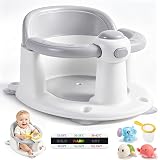
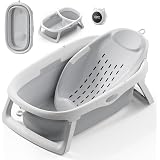
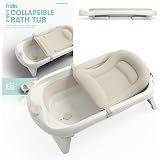
Baby Bathtub: A dedicated baby bathtub is designed to provide a safe and ergonomic bathing solution for infants, offering stability and support during bath time. These tubs often feature non-slip surfaces and contoured designs to securely position the baby, reducing parental strain and ensuring a more controlled bathing experience. Temperature indicators or easy-to-read water level guides are frequently integrated to enhance bathing safety, preventing scalding.
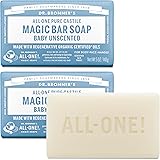
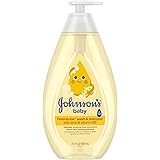
Baby Soap and Baby Shampoo: Formulated specifically for an infant’s delicate skin and hair, baby soap and shampoo are characterized by their mild, tear-free properties. These products are rigorously tested to ensure they are hypoallergenic and free from harsh chemicals that could cause irritation or allergic reactions. The gentle cleansing action of these items maintains the natural moisture balance of the scalp and skin, promoting overall dermal health.
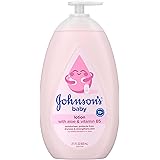
Baby Powder and Baby Lotion: Baby powder is often applied to absorb excess moisture in skin folds, thereby reducing friction and preventing chafing, though its use should be judicious to avoid inhalation. Conversely, baby lotion is indispensable for hydrating and nourishing an infant’s skin, maintaining its softness and elasticity. Both products are typically formulated with gentle ingredients, frequently enriched with natural extracts to provide soothing and protective benefits.
Baby Socks, Baby Mittens, and Baby Cap: These clothing items are crucial for temperature regulation and protection, especially for newborns who have difficulty self-regulating their body heat. Baby socks keep feet warm, while mittens prevent accidental scratches from sharp infant nails, a common concern for new parents. A baby cap is often used to maintain head warmth, particularly in cooler environments, as significant heat loss can occur through the scalp.
Sleep and Mobility Solutions for Babies
Ensuring a safe sleep environment and providing secure mobility options are paramount for an infant’s well-being and a parent’s peace of mind. The design and safety features of sleep and mobility gear are heavily regulated, reflecting their critical role in preventing accidents and promoting healthy development. Parents are advised to select products that meet or exceed current safety standards, thereby offering maximum protection for their child.
Baby Stroller: A baby stroller facilitates the safe and convenient transportation of an infant, allowing parents to navigate various environments with ease. Modern strollers incorporate a multitude of safety features, including multi-point harnesses, robust braking systems, and durable frames, ensuring the baby remains secure during transit. Different models, such as travel systems, jogging strollers, and umbrella strollers, cater to diverse lifestyle needs and age ranges, offering ergonomic benefits for both child and caregiver.
Baby Cradle: A baby cradle, often distinguished by its gentle rocking motion, provides a cozy and secure sleeping space for newborns, typically during their first few months. The design of cradles emphasizes a confined, womb-like environment that can be comforting to an infant, promoting peaceful sleep patterns. It is imperative that cradles adhere to safe sleep guidelines, including firm mattresses and breathable sides, to minimize the risk of Sudden Infant Death Syndrome (SIDS).
Baby Blanket: Baby blankets serve multiple purposes, including providing warmth, comfort, and security for an infant. The choice of material, such as cotton, fleece, or muslin, often depends on climate and desired breathability, ensuring proper temperature regulation. When used for sleep, blankets must be applied in accordance with safe sleep recommendations, which generally advise against loose bedding in cribs for very young infants to prevent suffocation risks.
Baby Pillow: While commonly perceived as a comfort item, the use of baby pillows for infants, especially newborns, is generally discouraged by pediatric experts due to potential safety concerns, primarily the risk of suffocation. For older infants and toddlers, specialized pillows designed to support proper spinal alignment and prevent flat head syndrome may be considered, but only under strict supervision and when developmentally appropriate.
Engaging Play and Developmental Toys
Engaging a baby with appropriate toys is crucial for stimulating their cognitive, sensory, and motor skill development during their formative years. Toys are not merely for amusement; they serve as fundamental tools for learning and exploration, fostering curiosity and problem-solving abilities. The selection of toys should always prioritize safety, ensuring they are age-appropriate and free from hazardous components.
Baby Rattle: Rattles are among the earliest toys introduced to infants, designed to capture their attention through sound and visual stimulation. The simple act of grasping and shaking a rattle helps develop fine motor skills and hand-eye coordination, while the auditory feedback stimulates sensory processing. Variations in texture and color further enhance the sensory experience, contributing to early cognitive development.
Baby Toy: A wide array of baby toys exists, each engineered to support various developmental milestones, ranging from sensory exploration to problem-solving. Soft toys, activity centers, stacking rings, and shape sorters are examples of items that encourage tactile exploration, imaginative play, and the development of spatial awareness. Safety standards for baby toys are stringent, ensuring materials are non-toxic and parts are securely fastened to prevent choking hazards.
A thorough understanding of these essential baby items empowers parents to make informed decisions for their child’s care. Thoughtful selection of baby products contributes significantly to a nurturing and stimulating environment, facilitating healthy growth and development throughout infancy. Providing a safe, comfortable, and engaging space is paramount for every newborn.
Ask Rani Mam: Your Questions on Baby Item Names & Language Learning
What is the main purpose of learning about baby items?
Learning about essential baby items helps new parents prepare for their newborn, understand what is necessary, and make informed decisions for their child’s well-being and growth.
What are some basic items needed for feeding a baby?
For feeding, essential items include a baby bottle for milk, a pacifier for soothing, and a baby bib to protect clothing from spills.
Why are diapers and baby wipes important?
Diapers are essential for managing infant waste and keeping babies dry and clean, while baby wipes are used for quick and gentle cleaning during diaper changes.
Are baby pillows recommended for newborns?
No, pediatric experts generally discourage the use of baby pillows for newborns due to potential safety concerns, primarily the risk of suffocation.
What are baby socks, mittens, and caps used for?
These clothing items are crucial for helping newborns regulate their body temperature, with socks keeping feet warm, mittens preventing scratches, and caps maintaining head warmth.