Building a registry or simply preparing for your little one’s arrival can feel overwhelming, but understanding the core baby essentials is a critical first step. The accompanying video provides a helpful visual introduction to many key baby items, demonstrating their names and basic uses.
Transitioning from the foundational overview in the video, this guide delves deeper into these indispensable products. We will explore what makes each item essential, crucial considerations for selection, and practical tips for their use, empowering you to make informed decisions for your newborn. From feeding to hygiene, comfort to mobility, having the right infant products ensures both safety and convenience for new parents.
Nourishing Your Newborn: Essential Feeding Supplies
Feeding time is a cornerstone of infant care, demanding reliable and safe equipment. While the video introduces the fundamental baby bottle, spoon, and bowl, understanding the nuances of these items ensures a smoother experience for both parent and child.
Baby Bottle: More Than Just a Container
A baby bottle serves as a primary feeding tool, especially for formula-fed infants or those receiving pumped breast milk. The market offers a vast array of bottle types, each with specific features. Look for BPA-free materials like glass, silicone, or polypropylene plastic. Nipple flow rates are also crucial; newborns typically require a slow flow, progressing to faster flows as they grow.
Consider anti-colic features, such as vented systems, which minimize air intake during feeding. Proper sterilization is paramount for infant health. Always disassemble bottles completely before washing and sterilizing using boiling water, steam sterilizers, or dishwashers with a sanitizing cycle. Regular replacement of nipples, typically every 2-3 months, prevents bacterial buildup and maintains hygiene.
Baby Spoon & Baby Bowl: Introducing Solids
As your baby approaches 4-6 months, the introduction of solids becomes an exciting milestone. A dedicated baby spoon, often made from soft silicone, protects sensitive gums and emerging teeth. Look for a shallow bowl with a suction base; this prevents spills and allows the baby to explore self-feeding with less mess. Many designs feature ergonomic handles, making them easier for small hands to grasp once motor skills develop.
When selecting these feeding accessories, prioritize materials that are food-grade and free from harmful chemicals. Durability and ease of cleaning are also important factors, as these items will see frequent use. Dishwasher-safe options significantly simplify post-meal cleanup, a welcome feature for busy parents.
Diapering & Hygiene: Maintaining Comfort and Cleanliness
Keeping your baby clean, dry, and comfortable is central to their well-being. The video highlights several hygiene baby items, but informed selection and usage can significantly impact daily routines and prevent common infant issues.
Baby Diaper: Keeping Them Dry
Diapers are arguably the most frequently used baby item. Whether you opt for disposable or cloth diapers, the primary goal is to absorb moisture and contain waste, preventing leaks and diaper rash. Disposable diapers offer convenience, coming in various sizes and absorbency levels, often featuring wetness indicators.
Cloth diapers present an eco-friendlier, often cost-effective alternative over the long term. They require a significant laundry commitment but can be gentler on some babies’ skin. Proper diaper fit is essential regardless of type; a too-tight diaper can cause chafing, while a loose one leads to leaks. Change diapers frequently, especially after bowel movements, to maintain skin integrity.
Baby Wipes: Quick Clean-Ups
Baby wipes are indispensable for diaper changes and general clean-ups. Modern wipes come in various formulations; opt for hypoallergenic, fragrance-free, and alcohol-free options to minimize skin irritation. Some wipes contain soothing ingredients like aloe vera or chamomile, beneficial for sensitive skin.
Beyond diaper duty, wipes are excellent for cleaning sticky hands, faces, and surfaces while on the go. Keep a travel pack handy in your diaper bag for unexpected messes. Always ensure the wipe container is properly sealed to prevent them from drying out.
Baby Powder & Baby Lotion: Skin Protection
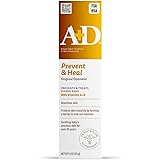
Baby powder helps absorb excess moisture and reduce friction, especially in skin folds, preventing chafing and heat rash. However, many pediatricians now advise caution with traditional talc-based powders due to inhalation risks; cornstarch-based alternatives are often preferred. Apply sparingly and away from the baby’s face.
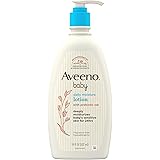
Baby lotion is crucial for maintaining skin hydration, particularly after baths. Choose a gentle, hypoallergenic, and fragrance-free formula to nourish the delicate infant skin barrier. Regular moisturizing can prevent dryness and soothe minor irritations, ensuring soft, healthy skin.
Baby Shampoo & Baby Soap: Gentle Cleansing
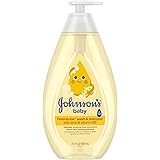
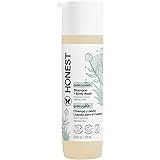
Infant bathing requires products specifically formulated for their sensitive skin and scalp. Baby shampoo should be tear-free and mild, effectively cleansing without stripping natural oils. Look for products designed to be pH-balanced, helping to protect the delicate acid mantle of the skin.
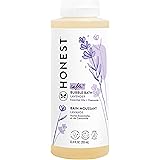
Similarly, baby soap or body wash should be gentle, fragrance-free, and moisturizing. Avoid harsh chemicals and dyes. A soft washcloth or sponge, combined with a gentle baby soap, provides effective cleansing while protecting the baby’s skin from irritation. Limit bath time to 5-10 minutes to prevent skin from drying out.
Baby Towel: Post-Bath Comfort
After a bath, a soft, absorbent baby towel is essential for quick drying and warmth. Hooded towels are particularly popular as they keep the baby’s head warm and secure immediately after exiting the water. Choose towels made from natural, breathable fibers like cotton, bamboo, or organic muslin, known for their softness and absorbency.
High-quality baby towels are designed to be durable, withstanding frequent washing while maintaining their plushness. Having multiple towels on hand ensures you always have a clean, dry one ready for bath time. These specific baby items prioritize comfort.
Comfort & Sleep: Soothing and Restful Environments
Creating a peaceful and secure environment for your baby is paramount for their development and your sanity. Items like pacifiers, blankets, pillows, and rattles play crucial roles in comfort, stimulation, and sleep quality.
Baby Pacifier: A Soothing Aid
Pacifiers can offer comfort and fulfill a baby’s natural sucking reflex, helping to soothe and calm them. They come in various shapes and sizes, often made from silicone or latex. Choose a pacifier appropriate for your baby’s age to ensure a proper fit and safety.
Sterilize new pacifiers before first use and regularly clean them. While beneficial for comfort, pacifier use should be monitored to prevent reliance and potential impact on teeth alignment. Introduce it strategically, especially for sleep or when needing to calm an agitated infant.
Baby Blanket: Warmth and Security
A baby blanket provides warmth, comfort, and a sense of security. Swaddling blankets are particularly useful for newborns, mimicking the snugness of the womb and helping to reduce the startle reflex, promoting better sleep. Look for breathable materials like cotton, muslin, or bamboo to prevent overheating.
For older infants, blankets can offer a cozy layer in a stroller or car seat. Always ensure blankets are used safely in a crib; avoid loose blankets for unsupervised sleep, especially for infants under 12 months, to reduce SIDS risk. Instead, consider sleep sacks for warmth during sleep.
Baby Pillow: For Support (with caution)
While the video lists a baby pillow, it is crucial for parents to understand safety guidelines. Pediatric guidelines strongly advise against using pillows for infants under 12 months of age due to the risk of Sudden Infant Death Syndrome (SIDS). A firm, flat sleep surface is recommended. Pillows can be considered for older toddlers (18-24 months and up) who transition to a toddler bed.
If purchasing for an older child, look for small, firm pillows designed specifically for toddlers, often with hypoallergenic fillings. Prioritize breathability and washability. For infants, focus on a firm mattress with a fitted sheet as the only bedding.
Baby Rattle: Sensory Engagement
A baby rattle is a classic developmental toy that provides auditory and tactile stimulation. Its sound and movement capture an infant’s attention, encouraging reaching, grasping, and tracking. Rattles help in developing hand-eye coordination and fine motor skills.
When selecting a rattle, ensure it is lightweight, easy for small hands to hold, and made from safe, non-toxic materials. Check for small parts that could pose a choking hazard. Different textures and sounds can provide varied sensory experiences, making playtime more engaging. These simple baby items offer significant developmental benefits.
Clothing & Accessories: Practicality and Protection
Dressing your baby involves more than just aesthetics; it’s about comfort, temperature regulation, and protection. From head to toe, specific clothing accessories serve vital functions in an infant’s daily life.
Baby Cap: Head Protection
A baby cap is essential for newborns, especially in cooler climates, as infants lose a significant amount of heat through their heads. In warmer weather, a lightweight, breathable cap can provide sun protection. Look for soft, natural fabrics like cotton that won’t irritate delicate skin.
Ensure the cap fits snugly but comfortably, without being too tight or too loose. For outdoor use, consider caps with a wide brim or neck flap for enhanced UV protection. These baby items are crucial for temperature regulation.
Baby Mittens: Preventing Scratches
Newborns often have surprisingly sharp fingernails and can inadvertently scratch their delicate faces. Baby mittens, typically made from soft cotton, prevent these accidental scratches. They also help keep tiny hands warm.
Many newborn onesies come with integrated fold-over cuffs that serve as mittens, offering a convenient all-in-one solution. Choose mittens with gentle elastic or a loose fit to avoid restricting circulation. Ensure they are removed periodically to allow babies to explore their hands and develop tactile senses.
Baby Socks: Warmth for Tiny Feet
Infants have difficulty regulating their body temperature, and their feet can get cold easily. Baby socks provide warmth and protection, especially when not wearing shoes. Look for soft, breathable materials and socks with gentle elastic that stay on without being too tight.
Consider socks with non-skid grips for older babies who are starting to crawl or walk, providing better traction on smooth surfaces. Keep a good supply of socks, as they often get lost or soiled quickly. These foundational baby essentials are a must-have.
Baby Shoes: Protection for Little Explorers
While often seen as a fashion accessory, baby shoes serve a practical purpose for older infants and toddlers who are learning to walk. They protect developing feet from rough surfaces, cold temperatures, and potential injuries. For early walkers, choose soft-soled, flexible shoes that allow for natural foot movement and development.
Avoid rigid or overly structured shoes for pre-walkers, as they can hinder natural development. Ensure shoes fit well, with enough room for toes to wiggle, but not so loose that they slip off easily. Proper footwear supports healthy foot development as your child begins to explore.
Mobility & Gear: Getting Out and About
As your baby grows, mobility becomes a key consideration for daily outings and activities. The baby stroller, highlighted in the video, is a primary piece of equipment in this category.
Baby Stroller: Effortless Travel
A baby stroller is an indispensable piece of baby gear for parents on the go. It provides a safe and comfortable way to transport your infant or toddler, whether for a stroll in the park, errands, or travel. Strollers come in various configurations, including lightweight umbrella strollers, full-feature travel systems, jogging strollers, and double strollers.
When choosing a stroller, prioritize safety features like a secure five-point harness, sturdy construction, and reliable brakes. Consider its maneuverability, weight, and ease of folding, especially if you’ll be using it frequently in and out of a car. Compatibility with infant car seats (often called a travel system) offers seamless transitions from car to stroller, simplifying outings with your newborn. These are critical baby essentials for active families.
Bottles, Blankets & Beyond: Your Baby Item Q&A
What are ‘baby essentials’?
Baby essentials are the core products needed to care for a newborn, covering areas like feeding, hygiene, comfort, and mobility. Understanding these items helps new parents prepare for their baby’s arrival.
What should I look for when choosing a baby bottle?
Look for bottles made from BPA-free materials and nipples with a slow flow rate, which is typically best for newborns. You might also consider bottles with anti-colic features to reduce air intake during feeding.
How do I choose safe baby wipes for my baby’s skin?
It’s best to choose baby wipes that are hypoallergenic, fragrance-free, and alcohol-free to prevent skin irritation. Some wipes also contain soothing ingredients like aloe vera or chamomile.
Is it safe for my baby to use a pillow?
Pediatric guidelines strongly advise against using pillows for infants under 12 months old due to the risk of Sudden Infant Death Syndrome (SIDS). A firm, flat sleep surface with a fitted sheet is recommended instead.
What are important safety features for a baby stroller?
When choosing a stroller, prioritize safety features like a secure five-point harness, sturdy construction, and reliable brakes. Also, consider its maneuverability and how easy it is to fold for convenience.