Navigating the journey into parenthood presents many exciting challenges, especially when preparing for a newborn. Expectant parents often feel overwhelmed by the sheer volume of baby products available, making it difficult to discern what is truly essential. Fortunately, creating a comprehensive baby shopping list can simplify this process significantly, ensuring you have everything necessary for your little one’s arrival without unnecessary stress. The video above offers an excellent starting point, breaking down key categories for newborn baby essentials.
This accompanying guide expands upon those fundamental items, providing deeper insights and practical advice for new parents. We aim to help you make informed decisions, transforming your baby prep from daunting to delightful. Consider this your go-to resource for understanding the must-have infant items, allowing you to confidently build a functional and comfortable environment for your baby.
Building Your Ultimate Newborn Baby Essentials List
Preparing for a baby involves more than just decorating a nursery; it requires thoughtful consideration of daily care items. Focusing on quality and utility for each product ensures both your baby’s comfort and your peace of mind. Let us explore each crucial category in detail, offering tips to select the best baby shopping list items for your family.
Clothing Essentials: Dressing Your Little One
Babies indeed grow incredibly fast, but selecting the right initial wardrobe remains crucial for their comfort. Prioritizing versatility and ease of use in baby clothing helps simplify frequent changes. The video wisely advises against buying too many newborn-sized items, recommending instead a slightly larger size for longevity.
-
Onesies or Bodysuits (5-7): These form the foundation of any baby’s wardrobe due to their practicality and comfort. Opting for sizes like three to six months means your baby can wear them for an extended period, preventing quick outgrowing. Imagine if you purchased only newborn sizes and your baby experienced a sudden growth spurt shortly after birth; you would need to buy new clothes almost immediately.
-
Sleepers or Pajamas (5-7): Soft, cozy sleepers with zippers or snaps are indispensable for bedtime, making those late-night diaper changes much easier. Look for flame-resistant materials or snug-fitting options as safety standards recommend for infant sleepwear. Many parents appreciate designs with built-in footies to keep tiny toes warm.
-
Socks: Babies lose heat quickly through their extremities, so socks are essential for keeping their feet warm. Ensure they are snug enough to stay on but not too tight, which could restrict circulation. Sometimes, socks can mysteriously disappear, so having a few extra pairs is always a good idea.
-
Mittens: Newborns often have surprisingly sharp nails, which can lead to accidental scratches on their delicate skin. Soft mittens prevent this, protecting their face and body. They also help keep babies from startling themselves awake with hand movements.
-
Caps: Especially important for newborns, particularly in cooler climates or air-conditioned environments, caps help regulate their body temperature. They provide warmth for their heads, where much heat can escape in early life. A few soft, breathable caps will suffice for initial use.
-
Swaddle Blankets: These blankets are magic for many newborns, recreating the snug, secure feeling of the womb. Swaddling helps babies feel comforted, reducing the startle reflex and promoting longer, more peaceful sleep. Consider both traditional muslin swaddles and Velcro-closure options for ease of use.
Feeding Essentials: Nourishing Your Little One
Whether you choose breastfeeding, bottle feeding, or a combination, having the right feeding supplies ensures smooth mealtimes. Preparing these items in advance helps alleviate stress during those demanding early weeks. Understanding the purpose of each item contributes significantly to a successful feeding routine.
-
Bottles and Nipples (Slow Flow): Even if you plan to breastfeed, having a few bottles on hand is practical for occasional pumped milk or formula. Slow-flow nipples are crucial for newborns, mimicking the slow pace of breastfeeding and preventing overfeeding or nipple confusion. Many brands offer anti-colic bottle designs that reduce air intake.
-
Breast Pump (Manual, Electric, Rechargeable): A breast pump offers flexibility and allows others to feed the baby, giving you a much-needed break. Manual pumps suit occasional use, while electric or rechargeable models are more efficient for regular pumping. Imagine the freedom of having a stored supply of breast milk, allowing you to attend appointments or simply rest.
-
Formula: Keep a small container of newborn formula ready, even if you plan to breastfeed exclusively. Sometimes breast milk takes a few days to come in fully, or you might need a supplement. Consult with your pediatrician for guidance on formula choices.
-
Burp Cloths: Babies are prone to spit-ups and drooling, making burp cloths indispensable for protecting your clothes and furniture. Opt for soft, absorbent materials like cotton or terry cloth. You will find yourself reaching for these more often than you might initially expect.
-
Bibs: Similar to burp cloths, bibs catch drool and spit-up, keeping your baby’s clothing cleaner. Soft, waterproof bibs are especially useful during feeding times and teething phases. Having a collection ensures you always have a clean one ready.
-
Bottle Sterilizer: Maintaining hygiene for feeding equipment is paramount, especially for newborns with developing immune systems. A sterilizer uses steam or UV light to eliminate germs and bacteria from bottles, nipples, and pump parts. Regular sterilization contributes significantly to your baby’s health.
-
Bottle Warmer: A bottle warmer provides a safe and quick way to warm breast milk or formula to a comfortable temperature for your baby. This device proves particularly helpful during late-night feeds, avoiding the need for guesswork with hot water. Consistent warmth can improve acceptance of milk for some babies.
-
Nursing Pillow: This U-shaped pillow offers excellent support for both you and your baby during feeding sessions. It helps position the baby at the correct height, reducing strain on your back and arms. A nursing pillow can make breastfeeding or bottle-feeding a more comfortable and ergonomic experience.
-
Nursing Bras and Pads: Designed for comfort and convenience, nursing bras provide easy access for breastfeeding. Nursing pads absorb leaks, protecting your clothing and preventing embarrassing wet spots. Having several comfortable nursing bras and a good supply of pads will greatly enhance your postpartum comfort.
-
Milk Storage Bags: Pumping moms will find milk storage bags invaluable for safely storing expressed breast milk in the refrigerator or freezer. These bags are pre-sterilized and designed to lay flat for efficient storage. Proper labeling with dates ensures you use milk within its safe storage guidelines.
-
Nursing Cover: For those who prefer privacy while breastfeeding in public, a nursing cover provides discreet modesty. Many styles exist, from apron-like covers to versatile infinity scarves. It offers a sense of comfort and seclusion during feeding away from home.
-
Bottle Brush: Thorough cleaning of bottles and their various parts requires a specialized bottle brush. These brushes often come with a smaller nipple brush, reaching all crevices for complete hygiene. Proper cleaning prevents milk residue buildup and bacteria growth.
-
Nipple Cream: Especially during the early days of breastfeeding, many mothers experience sore or cracked nipples. Nipple cream, often made from lanolin or other soothing ingredients, helps moisturize, heal, and provide relief. Applying it after each feeding can make a significant difference in comfort.
Sleep Essentials: Creating a Safe Haven
Every new parent dreams of restful sleep, and establishing a safe sleep environment is paramount for your newborn’s well-being. Prioritizing safety features in cribs and mattresses ensures your baby can snooze soundly. Adhering to safe sleep guidelines reduces risks and promotes healthy development.
-
Crib or Bassinet: A dedicated, safe sleep space is non-negotiable for newborns. Bassinets are great for the first few months, offering portability and keeping the baby close to your bedside. A crib will serve your child for much longer, providing a secure place for sleep until toddlerhood.
-
Firm Mattress: A firm mattress is critical for infant sleep safety, reducing the risk of Sudden Infant Death Syndrome (SIDS). Avoid plush or soft mattresses that could conform around your baby’s face, obstructing breathing. Ensure the mattress fits snugly within the crib frame, leaving no gaps.
-
Fitted Crib Sheets (2-3): You will need at least two or three fitted crib sheets to rotate, accounting for frequent spit-ups or diaper leaks. Choose soft, breathable fabrics like cotton for your baby’s comfort. Having extra sheets readily available simplifies laundry demands during busy times.
-
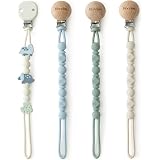
Pacifier: Many babies find comfort and security in pacifiers, which can also help soothe them to sleep. Look for pacifiers designed for newborns, often made from silicone or latex. Introduce pacifiers after breastfeeding is well established to avoid nipple confusion.
Bath and Grooming Essentials: Nurturing Hygiene
Bathtime offers a wonderful opportunity for bonding and gentle hygiene, keeping your baby clean and comfortable. Having the right tools makes the process easier and safer for everyone involved. Regular grooming helps maintain your baby’s delicate skin and nails.
-
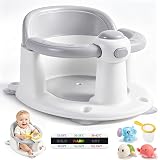
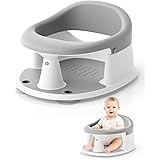
Baby Bathtub: A dedicated baby bathtub provides a safe and comfortable space for washing your infant. These tubs often have contours or slings to support newborns, preventing slips. Imagine how much easier bathtime becomes when your baby is securely positioned.
-
Soft Towels and Washcloths: Your baby’s delicate skin requires ultra-soft towels and washcloths specifically designed for infants. Look for hooded towels that help keep their head warm after the bath. Having several on hand ensures you always have a clean, dry option.
-
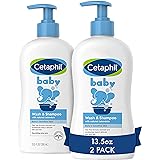
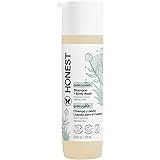
Baby Soap and Shampoo: Choose gentle, tear-free baby soaps and shampoos that are hypoallergenic and free from harsh chemicals. These products clean effectively without irritating your baby’s sensitive skin or eyes. Always patch-test new products if your baby has very sensitive skin.
-
Baby Cream or Lotion: Moisturizing your baby’s skin after a bath helps prevent dryness and keeps it soft. Select a pediatrician-recommended baby cream or lotion that is fragrance-free and gentle. This simple step can prevent various skin irritations.
-
Nail Clippers or File: Baby’s nails grow surprisingly fast and can be quite sharp, requiring regular trimming to prevent scratches. Use baby-specific nail clippers with rounded edges or a soft emery board. Many parents find it easiest to trim nails while the baby is asleep or after a bath when nails are softer.
-
Digital Thermometer: A digital thermometer is an indispensable tool for monitoring your baby’s health, especially when they seem unwell. Rectal thermometers are often recommended for infants for accuracy, but temporal or underarm options are also available. Knowing your baby’s temperature helps you communicate effectively with your doctor.
-
Baby Brush or Comb: A soft-bristled baby brush helps manage your baby’s hair and can be particularly useful for gently addressing cradle cap. Regular, gentle brushing stimulates the scalp and removes loose flakes. Choose a brush with very soft bristles to protect their delicate scalp.
Diapering Essentials: Keeping Baby Clean and Dry
Diaper changes become a frequent part of daily life with a newborn, so having all the necessary supplies within reach simplifies the process. Being well-stocked ensures you are always prepared for unexpected messes. A well-organized changing station can save valuable time and effort.
-
Diapers (Newborn Size): You will go through many diapers in the early weeks, so stock up on newborn sizes. Consider trying a few different brands initially, as babies can have preferences or sensitivities to certain materials. Purchasing in bulk often proves more economical in the long run.
-
Wipes (Gentle and Unscented): Choose gentle, unscented baby wipes to protect your newborn’s delicate skin from irritation. Many brands offer sensitive skin formulations, which are ideal for initial use. Keep wipes easily accessible at every changing station and in your diaper bag.
-
Diaper Rash Cream: Diaper rash is a common occurrence, so a good barrier cream is a must-have for prevention and treatment. Apply a thick layer at every diaper change, especially overnight, to protect your baby’s skin from moisture. Look for ingredients like zinc oxide for effective protection.
-
Changing Mat or Table: A dedicated changing mat or table provides a comfortable and safe surface for diaper changes. A changing pad with raised sides helps keep your baby secure and often comes with a waterproof cover for easy cleaning. Having everything at waist height saves your back during frequent changes.
-
Diaper Bag: A well-organized diaper bag is essential for carrying all your baby’s needs when you leave the house. Look for one with multiple compartments, an insulated pocket for bottles, and a comfortable strap. Imagine the convenience of having every essential item neatly packed for outings.
-
Portable Changing Pad: For on-the-go changes, a portable changing pad is a lifesaver. These compact pads fold up easily and provide a clean surface wherever you are. Many diaper bags include one, but a separate, durable option is often beneficial.
Travel and Outings Essentials: Exploring the World
Venturing out with your newborn requires specific gear to ensure their safety and comfort. These items facilitate smooth transitions and safe travel, whether for a quick errand or a longer journey. Prioritizing certified safety equipment is always critical.
-
Baby Carrier or Wrap: A baby carrier or wrap allows you to keep your baby close while keeping your hands free. This can be incredibly useful for running errands, comforting a fussy baby, or simply bonding. Various styles exist, so try a few to find what works best for you and your baby.
-
Stroller: A stroller provides a convenient way to transport your baby, offering comfort for them and ease for you during walks or trips. Consider features like recline options for newborns, storage baskets, and ease of folding. Many parents opt for a travel system that includes a car seat and stroller.
-
Car Seat: This is arguably the most critical safety item for your newborn, required for leaving the hospital. Ensure you select an infant car seat that meets all safety standards and have it professionally installed before your baby’s arrival. Imagine the peace of mind knowing your little one is secure on every journey.
-
Going Home Outfit: Choose one special, comfortable outfit for your baby to wear home from the hospital. It is a memorable moment, and a soft, easy-to-put-on outfit makes it even better. Consider the weather conditions for the time of year your baby is due.
-
Baby-Friendly Insect Repellent: For outings in areas with insects, a baby-friendly insect repellent can protect your little one from bites. Always choose products specifically formulated for infants and follow application instructions carefully. Consult with your pediatrician before using any new products on your baby.
Bonus Items: Enhancing Comfort and Play
Beyond the absolute necessities, a few bonus items can significantly enhance your baby’s comfort, development, and your daily routine. These thoughtful additions often provide moments of calm or opportunities for engaging play. Consider these additions to round out your comprehensive newborn baby essentials list.
-
Bouncer or Swing: A bouncer or swing provides a safe, comfortable spot for your baby to relax or be gently entertained while you need a moment. The gentle motion can be very soothing for fussy infants. Always supervise your baby while they are in a bouncer or swing.
-
Play Mat for Tummy Time: Tummy time is crucial for developing your baby’s neck and upper body strength, and a play mat makes it more engaging. Look for mats with soft textures, mirrors, and dangling toys to encourage interaction. These mats also provide a safe, clean space for supervised play.
-
Detergent for Washing Clothes: Babies have sensitive skin, so using a hypoallergenic, fragrance-free laundry detergent is vital for washing their clothes. Harsh chemicals or strong scents can irritate delicate skin, leading to rashes or discomfort. Washing all baby items before use is a recommended practice.
-
Baby Clothes Hangers: Tiny baby clothes benefit from tiny hangers, keeping them neat and organized in the closet. These smaller hangers prevent clothes from stretching or falling off. Organizing the nursery closet becomes much easier with dedicated baby-sized hangers.
Building your baby shopping list does not have to be an overwhelming task. By focusing on these categories and understanding the purpose of each item, you can confidently prepare for your newborn’s arrival. This detailed guide, complementing the video above, empowers expectant parents to make informed choices, ensuring every newborn baby essential contributes to a harmonious and joyful start to parenthood.
Newborn Must-Haves: Your Questions Answered
Why is it helpful to have a baby shopping list when preparing for a newborn?
A baby shopping list simplifies the process of preparing for a new arrival by helping expectant parents identify truly essential items. It reduces stress and ensures you have everything necessary for your little one.
What kind of clothing should I buy for a newborn?
Focus on versatile and easy-to-use items like onesies or bodysuits, sleepers, socks, mittens, and caps. It’s often recommended to buy sizes like three to six months for longer use, as newborns grow quickly.
What are the most important things for a newborn’s sleep environment?
A safe sleep space is crucial, meaning a crib or bassinet with a firm mattress that fits snugly. You will also need soft fitted crib sheets for comfort and hygiene.
What basic items do I need for feeding my newborn?
Whether breastfeeding or bottle-feeding, essentials include bottles with slow-flow nipples, burp cloths, and bibs. You might also consider a breast pump or a small container of newborn formula, along with a bottle sterilizer for hygiene.