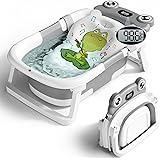
The question of whether to give your baby a head bath daily is very common among new parents, and as the video above suggests, the answer is often a resounding yes. Many parents, like the one in the video, successfully incorporate a daily head bath into their baby’s routine without any adverse effects. This practice can be perfectly safe and even beneficial for infants when approached with care and attention to detail.
The Daily Head Bath for Baby: Addressing Common Concerns
Firstly, the idea of giving your baby a daily head bath can raise concerns, particularly about the baby getting cold. However, the experience shared in the video highlights that a daily wash does not inherently lead to a cold. Preventing chills largely depends on ensuring a warm environment and thorough drying after the bath.
Babies, especially newborns, have delicate skin and developing thermoregulation systems, which makes parents naturally cautious. Nevertheless, with proper technique and suitable products, a daily head wash can contribute positively to their overall hygiene. Many pediatricians confirm that for most healthy babies, this frequency is acceptable and can be quite advantageous for their comfort and cleanliness.
Benefits of Regular Baby Head Washing
Incorporating a daily head bath for your baby offers several distinct advantages that extend beyond simple cleanliness. Understanding these benefits can help you decide if this routine is right for your little one. Here are some key positive outcomes you might observe:
-
Enhanced Hygiene, Especially for Hairier Babies
For infants with a full head of hair, like the baby mentioned in the video, daily washing becomes almost mandatory to keep their scalp and hair fresh. Baby hair can easily accumulate sweat, milk residue, or even spit-up, which requires consistent cleaning. A regular washing routine effectively removes these irritants, preventing unpleasant odors and maintaining a clean feel for your baby.
-
Prevention and Management of Cradle Cap
Cradle cap, medically known as infantile seborrheic dermatitis, is a common condition characterized by scaly patches on a baby’s scalp. Daily head baths, combined with gentle brushing, actively help to prevent the buildup of these scales. The consistent cleansing can keep the scalp clear, reducing the likelihood of cradle cap developing or worsening, which significantly enhances scalp health.
-
A Calming Sensory Experience and Improved Sleep
A warm head bath often serves as a soothing sensory experience for babies, which can profoundly impact their sleep patterns. The gentle touch of water and the subsequent comfort can signal to the baby that it is time to relax and wind down. As the video attests, many babies sleep exceptionally well after a soothing bath, making it an excellent addition to a pre-sleep routine.
-
Maintaining Freshness for Active Infants
Even young infants can be surprisingly active, leading to perspiration, especially around the head. A daily head wash ensures that your baby remains fresh and comfortable throughout the day. This cleanliness is particularly important during warmer months or if your baby tends to sweat more, keeping their scalp free from irritation.
Key Considerations for Your Baby’s Daily Head Bath Routine
Successfully integrating a daily head bath into your baby’s care involves more than just wetting their hair. Following specific guidelines will ensure safety, comfort, and optimal skin health for your little one. Paying attention to these crucial details transforms a simple wash into a beneficial ritual.
-
Choose Gentle, Baby-Specific Products
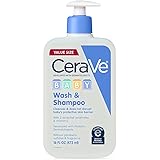
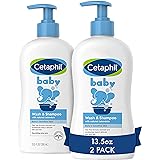
Always use a mild, pH-neutral, and tear-free baby shampoo formulated specifically for infants. Harsh soaps or adult shampoos can strip natural oils from your baby’s delicate scalp, leading to dryness or irritation. Look for products that are hypoallergenic and free from strong fragrances to protect their sensitive skin barrier.
-
Maintain a Warm and Comfortable Environment
Ensure the bathroom is warm and free from drafts before you begin the bath. The water temperature should be lukewarm, around 98.6°F to 100°F (37°C to 38°C), which you can easily test with a bath thermometer or your elbow. Keeping the baby warm during and immediately after the wash is critical for preventing any chills.
-
Thorough Drying is Paramount for Baby’s Head After Bath
As emphasized in the video, drying your baby’s hair well with a soft towel is absolutely essential. Pat their head gently but thoroughly, ensuring no dampness remains on the scalp, especially if they have a lot of hair. Residual moisture can make babies feel cold and may also contribute to skin issues, so a good dry significantly reduces these risks.
-
Observe Your Baby’s Skin and Scalp Closely
Regularly check your baby’s scalp for any signs of dryness, redness, or irritation. While a daily head bath is suitable for many, every baby is unique, and some may have more sensitive skin. Adjust the frequency of washing if you notice any adverse reactions, prioritizing your baby’s comfort and skin health above all.
-
Integrate the Bath into a Consistent Routine
Establishing a predictable bath time, perhaps before bedtime, can provide a comforting structure for your baby. This routine helps them anticipate the calming experience, contributing to better sleep and overall contentment. Consistency makes the daily head bath for baby a cherished and expected part of their day.
When to Adjust the Daily Head Bath Frequency
While a daily head bath for your baby works well for many, there are situations where modifying this routine might be beneficial. Being attentive to your baby’s specific needs and environmental factors is key to adapting their care. Understanding these indicators allows you to make informed decisions about their hygiene.
If your baby experiences dry skin or develops conditions like eczema, reducing the frequency of head baths could be helpful. Over-washing, even with mild products, can sometimes strip natural oils, exacerbating skin dryness. In such cases, switching to washing every other day or a few times a week might provide the necessary relief.
Additionally, if you live in a particularly dry climate or during winter months, your baby’s skin may be more prone to dryness. Monitoring their scalp for flakiness or tightness is important, as these are signs that a less frequent daily head bath for baby could be more appropriate. Always consult your pediatrician if you have concerns about your baby’s skin health or bath routine; they can offer personalized advice.
Splashing Through Your Daily Baby Head Bath Questions
Can I give my baby a head bath every day?
Yes, it is generally safe and often beneficial for most babies to have a daily head bath when approached with care and attention.
What are the benefits of washing my baby’s head daily?
Daily head baths can improve hygiene, help prevent cradle cap, offer a calming sensory experience, and keep your baby fresh, especially if they are active or have a lot of hair.
How can I prevent my baby from getting cold during a head bath?
To prevent chills, ensure the room is warm, the water is lukewarm, and thoroughly dry your baby’s head with a soft towel immediately after the bath.
What type of products should I use for my baby’s head bath?
Always use a mild, pH-neutral, and tear-free baby shampoo specifically formulated for infants to protect their delicate scalp and skin.
When might I need to adjust how often I wash my baby’s head?
If your baby develops dry skin, eczema, or if you live in a dry climate, you might consider reducing the frequency of head baths to every other day or a few times a week.