Mastering the art of changing a baby’s diaper is a fundamental skill for any new parent or caregiver. While the helpful video above provides a concise visual overview, understanding the nuances behind each step ensures your little one remains comfortable, healthy, and happy. This comprehensive guide will walk you through everything you need to know, from essential supplies to advanced tips for preventing common issues like diaper rash, transforming what might seem daunting into a routine you can confidently handle.
Essential Supplies for Changing a Baby Diaper
Before you even lay your baby down, having all your supplies within arm’s reach is paramount. This not only makes the process more efficient but also significantly enhances safety, as you should never leave your baby unattended on a changing surface. Creating a well-stocked diaper changing station can save valuable time and prevent frantic searches mid-change.
Here’s what you’ll need:
- Clean Diapers: Always have plenty on hand. Newborns typically require 10-12 diaper changes per day, a number that gradually decreases as they grow.
- Wipes: Choose hypoallergenic and fragrance-free wipes, especially for newborns with sensitive skin. For very delicate skin or severe rashes, cotton balls with warm water can be a gentler alternative.
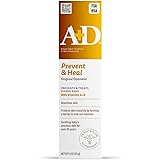
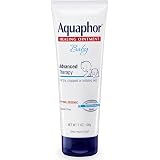
- Diaper Rash Cream or Ointment: A barrier cream containing zinc oxide or petroleum jelly is crucial for preventing and treating diaper rash. According to pediatric studies, diaper rash affects up to 35% of infants, making prevention a key component of baby hygiene.
- Changing Pad or Mat: A waterproof, easy-to-clean surface is essential. Many changing pads come with safety straps, which should always be used.
- A Small Plastic Bag or Diaper Pail: For soiled diapers, containing odors and preventing the spread of germs.
- Clean Change of Clothes (Optional but Recommended): Accidents happen, especially during a messy diaper change. Having a backup outfit nearby is a lifesaver.
- Hand Sanitizer: For your hands after the change, or soap and water if a sink is accessible.
Step-by-Step Guide to Changing a Baby Diaper
Changing a baby’s diaper becomes second nature with practice. This detailed process ensures hygiene, comfort, and safety for your infant, whether it’s a wet diaper or a more challenging soiled one.
1. Prepare the Changing Area and Your Baby
Begin by laying your baby gently on the changing pad. Engage with them, talking softly or making eye contact, which can make the experience more pleasant. Ensure all your supplies are within arm’s reach before you unfasten the diaper. This critical step minimizes the time your baby is exposed and reduces the risk of them rolling off the changing surface.
2. Unfasten the Soiled Diaper
Carefully unfasten the tabs of the dirty diaper, but do not remove it entirely yet. If it’s a boy, consider covering his penis with a clean wipe or small cloth to prevent unexpected sprays. Position the clean diaper by sliding it underneath the soiled one, ensuring the back of the clean diaper is under your baby’s bottom. This acts as a barrier, protecting the changing surface from further mess.
3. Clean Your Baby Thoroughly
Hold your baby’s ankles and gently lift their legs, raising their bottom slightly off the changing pad. Use the front of the soiled diaper to wipe away any large messes from front to back (especially crucial for girls to prevent urinary tract infections). After removing the soiled diaper, dispose of it immediately into the prepared plastic bag or diaper pail. Next, use a fresh wipe (or several) to clean the area thoroughly, again wiping from front to back. Pay special attention to skin folds and creases, as moisture and residue can accumulate there, leading to irritation. One study found that inadequate cleaning is a leading contributor to recurrent diaper rash.
4. Apply Diaper Rash Cream
Once your baby’s skin is clean and dry, apply a generous layer of diaper rash cream or ointment. This creates a protective barrier against moisture and irritants. Even if there’s no visible rash, applying cream as a preventative measure is highly recommended by pediatricians, particularly before bedtime or long stretches between changes.
5. Fasten the Clean Diaper
Bring the front of the clean diaper up between your baby’s legs and fasten the tabs snugly. Ensure the diaper is secure but not too tight—you should be able to fit two fingers comfortably under the waistband. If your baby has a healing umbilical stump (for newborns), fold the top edge of the diaper down to keep the stump exposed to air, promoting faster drying and healing.
6. Dress Your Baby and Clean Up
Redress your baby and then thoroughly clean your hands with soap and water or hand sanitizer. This final step is vital for preventing the spread of germs, especially after handling soiled materials. Regularly sanitizing your changing pad and keeping your diaper changing station tidy also contributes to a healthier environment.
Preventing Diaper Rash: Expert Tips
Diaper rash is a common skin irritation, but with consistent care, it can often be avoided. Approximately 50% of infants between 8 and 12 months experience diaper rash, making preventative measures extremely important.
- Frequent Diaper Changes: The most effective way to prevent diaper rash is to change wet or soiled diapers promptly. The longer skin is exposed to moisture and irritants, the higher the risk of rash.
- Thorough Cleaning and Drying: Always clean your baby’s bottom meticulously and ensure the skin is completely dry before fastening a new diaper. Patting gently with a soft cloth is better than rubbing.
- Use Barrier Creams: A thick layer of zinc oxide or petroleum jelly at every diaper change creates a protective shield, minimizing contact between the skin and wetness.
- Diaper-Free Time: Allowing your baby to go diaper-free for short periods, such as during tummy time on a waterproof mat, helps air out their skin and reduces moisture build-up.
- Choose the Right Diaper Size: Diapers that are too small can chafe, while those too large might leak, leading to increased skin exposure to moisture. Ensure a proper fit for effective changing baby diaper routines.
- Consider Diaper Type: While disposable diapers are often designed for absorbency, some babies may react to certain brands or ingredients. If rashes persist, trying a different brand or considering cloth diapers might be beneficial.
Advanced Tips for a Smooth Diaper Changing Baby Routine
Beyond the basics, a few extra strategies can make your diaper changing experience even smoother.
- Engage Your Baby: Keep your baby entertained with a favorite toy, a song, or by talking to them. This distraction can make them more cooperative and the experience more enjoyable for both of you.
- Be Prepared for “Surprises”: Especially with newborns, changing a wet diaper can sometimes trigger a bowel movement. Be ready with extra wipes or a backup diaper.
- Consider Overnight Diapers: For older babies who sleep through the night, using highly absorbent overnight diapers can help keep them dry for longer periods, reducing the risk of waking due to wetness and minimizing chances of diaper rash.
- Travel Diaper Changing Kit: Create a portable kit with a few diapers, a small pack of wipes, a travel-sized rash cream, and a changing pad. This ensures you’re always ready for a quick baby diaper changing session on the go.
By integrating these practices, parents and caregivers can confidently approach every changing baby diaper scenario, fostering a clean, comfortable, and healthy environment for their infant.
Your Diaper Changing Conundrums, Unfolded: Q&A
What essential supplies do I need to change a baby’s diaper?
You’ll need clean diapers, wipes, diaper rash cream, a changing pad, a small bag for soiled diapers, and hand sanitizer. It’s also helpful to have a clean change of clothes nearby.
What is the most important first step when preparing to change a baby’s diaper?
Before laying your baby down, ensure all your supplies are within arm’s reach. This is crucial for safety, as you should never leave your baby unattended on a changing surface.
How should I properly clean my baby’s bottom during a diaper change?
Gently lift your baby’s legs and wipe from front to back, using fresh wipes to clean thoroughly, especially in skin folds. Wiping front to back is very important for girls to prevent urinary tract infections.
Should I apply diaper rash cream every time I change a diaper?
Yes, applying a generous layer of diaper rash cream or ointment creates a protective barrier against moisture and irritants. This is highly recommended by pediatricians as a preventative measure.
What is the most effective way to prevent diaper rash?
The most effective way to prevent diaper rash is to change wet or soiled diapers promptly. The longer skin is exposed to moisture and irritants, the higher the risk of rash.