Are you feeling a bit overwhelmed by the sheer volume of baby products marketed to new parents today? It is a common experience, felt by many expectant families navigating the exciting yet daunting journey of preparing for a newborn. The video above provides a wonderful introduction to the essential items truly needed for a baby’s arrival, cutting through the noise to highlight practical necessities. Expanding on these crucial points, a deeper understanding of each category can be gained, ensuring that new parents feel confident and prepared without being burdened by unnecessary purchases.
Navigating Newborn Baby Care Essentials: More Than Just a Shopping List
The journey into parenthood is often accompanied by a desire to provide the very best for a new baby, leading many to compile extensive shopping lists. However, it is frequently discovered that simplicity is often the most effective approach when considering newborn baby care essentials. A baby’s fundamental needs for comfort, safety, feeding, and hygiene are met with surprisingly few core items. This perspective is not only beneficial for managing budgets but also for creating a less cluttered and more peaceful environment for the baby and parents alike. Prioritizing quality and functionality over quantity is a principle that is wisely embraced.
Creating a Cozy Cocoon: Essential Newborn Clothing and Swaddles
Keeping a baby warm and comfortable is a primary concern for new parents, and the right clothing plays a significant role in achieving this. Soft cotton onesies are considered a fundamental layer, acting like a second skin for delicate newborn bodies. Sleepers are also vital, often featuring integrated footies and hand covers to prevent scratching and ensure warmth during sleep. A variety of sizes is usually recommended, as babies grow remarkably quickly in their first few weeks and months.
The Foundation of Comfort: Baby Clothing
Caps and mittens are valuable additions, especially for newborns, helping to regulate body temperature and prevent accidental scratches. These items are often thought of as a baby’s first wardrobe, chosen for their gentle feel against sensitive skin. Fabric choices, such as organic cotton, are frequently favored for their breathability and lack of irritating chemicals. It is widely understood that clothing should be practical and easy to put on and take off, facilitating frequent diaper changes. Several changes of clothes are advised for each day, considering the common occurrences of spit-ups and diaper leaks.
The Art of Security: Blankets and Swaddles
Baby blankets and swaddles are often considered indispensable, serving multiple purposes beyond just warmth. A swaddle is like a gentle hug, recreated for a newborn, helping them to feel secure and reminiscent of the womb environment. This technique is known to promote better sleep by preventing the startle reflex, which can often wake a sleeping infant. Lightweight, breathable materials are typically chosen for swaddles to prevent overheating, especially in warmer climates. Soft receiving blankets are also highly versatile, used for cuddling, burping, or providing a clean surface for changes, offering a touch of comfort throughout the day.
The Diapering Dilemma: Keeping Baby Clean and Comfortable
Diapers are undeniably at the heart of daily newborn care, a non-negotiable item that will be used countless times each day. The choice between disposable and cloth diapers is a personal one, with both options offering distinct advantages. Disposable diapers are prized for their convenience and absorbency, making clean-up quick and efficient for busy parents. Many brands now offer eco-friendly options, appealing to those who wish to minimize environmental impact.
Diapers: The Unsung Heroes of Newborn Care
Cloth diapers, on the other hand, are appreciated for their reusability and potential long-term cost savings, along with their reduced environmental footprint. Modern cloth diapering systems have evolved significantly, becoming much more user-friendly with adjustable snaps and absorbent inserts. Regardless of the choice made, ensuring a snug but not tight fit is important to prevent leaks and maintain baby’s comfort. An adequate supply is always recommended, as a newborn can go through 10-12 diapers a day in the early weeks.
Gentle Cleansing: Wipes and Creams
Accompanying the diapers are baby wipes, which are essential for thorough and gentle cleaning during changes. Fragrance-free and hypoallergenic varieties are usually preferred to protect a baby’s delicate skin from potential irritation. For parents seeking an even gentler approach, soft cotton squares moistened with warm water are often used, especially for very sensitive newborns. Diaper rash cream is also an important preventative measure and treatment for any redness or irritation that might arise. A protective barrier is formed on the skin, much like a shield, warding off moisture and bacteria that can lead to discomfort for the baby.
Crafting a Sanctuary: Ensuring a Safe Sleep Environment
A safe sleeping space is paramount for a newborn, establishing a secure environment where the baby can rest peacefully. Cribs, bassinets, or baby cots are all suitable options, provided they meet current safety standards and are assembled correctly. The primary goal is to minimize the risk of Sudden Infant Death Syndrome (SIDS) and other sleep-related hazards. This commitment to safety is a guiding principle in all sleep arrangements, reflecting a parent’s constant vigilance.
Beyond the Bassinet: Understanding Safe Sleep Guidelines
The mattress chosen must be firm and perfectly fitted to the sleep space, leaving no gaps where a baby could become entrapped. Fitted sheets are the only bedding allowed, as loose blankets, pillows, and stuffed toys are considered serious safety hazards. These items, while seemingly innocuous, can obstruct a baby’s airway, posing a significant risk. Babies are always placed on their backs to sleep, a practice strongly recommended by pediatric experts worldwide. The sleep area should be kept free of any bumper pads or excessive clutter, creating a minimalist yet nurturing space for rest.
Preparing the Sleep Space: Firmness and Simplicity
Creating a safe sleep environment is often compared to designing a minimalistic art piece; every element has a purpose, and anything superfluous is removed. The firmness of the mattress is crucial, offering consistent support without allowing the baby to sink in. Breathable materials for sheets and swaddles are chosen to regulate temperature, ensuring the baby is comfortable without being overheated. Regular checks are performed to ensure that crib slats are intact and that there are no loose parts, providing peace of mind for parents as their baby sleeps.
Nourishing Your Little One: Feeding Essentials for Every Parent
Feeding is one of the most intimate and frequent activities shared between a parent and a newborn, dictating a significant portion of daily routines. The specific items needed will depend heavily on whether breastfeeding, bottle-feeding, or a combination of both methods is chosen. Each path has its own set of essential tools designed to support successful nourishment and connection. The approach taken is often as individual as the baby themselves, adapting to unique needs and circumstances.
Breastfeeding Journeys: Supportive Items
For mothers who choose to breastfeed, several supportive items can make the experience more comfortable and convenient. Nursing bras are designed for easy access and support, becoming a daily necessity for many. Breast pads are frequently used to absorb leaks, protecting clothing and maintaining hygiene throughout the day. Burp cloths are universally important, regardless of feeding method, ready to catch any spit-up, much like a tiny, absorbent safety net. A breast pump and milk storage bags might also be considered essential for expressing milk, allowing others to feed the baby or for mothers to build a supply.
Bottle-Feeding Foundations: What is Needed
If bottle-feeding is the chosen method, whether with expressed breast milk or formula, a different set of essentials will be required. A variety of baby bottles with different nipple flows are often purchased, as babies have individual preferences and needs. Bottle cleaning brushes are indispensable for thorough sterilization and hygiene, ensuring that all feeding equipment is spotless and safe for the baby. Sterilizers, whether electric, microwave, or simple boiling water, are also commonly used to eliminate bacteria. Adequate formula, if chosen, must always be on hand, mixed precisely according to instructions to provide proper nutrition.
Bathing and Grooming: Gentle Care for Delicate Skin
Bathing a newborn is a delicate process, demanding gentle products and a safe environment to protect their sensitive skin and developing body. The items selected for bath time are primarily focused on mildness and ease of use, making the experience enjoyable for both parent and child. It is often approached like a gentle art, where every touch is soft and every product is carefully chosen.
Making Bath Time a Breeze: Essential Supplies
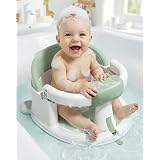
A mild baby wash and baby shampoo are paramount, formulated specifically to avoid irritation to eyes and skin. These products are usually fragrance-free and tear-free, ensuring a pleasant experience for the baby. A small baby tub or a designated safe bathing area, such as a sink with a soft insert, provides a secure spot for washing. Soft towels and washcloths, made from absorbent cotton or bamboo, are used to gently dry the baby without rubbing. Preparing all items beforehand is often advised, creating a seamless and safe bathing ritual.
Beyond the Bath: Daily Hygiene and Protection
Beyond bath time, daily hygiene and grooming are maintained with a few key tools. A baby moisturizer is often applied to combat dryness and keep the skin soft and supple, much like a protective barrier against environmental elements. Nail clippers or a baby nail file are essential for keeping tiny nails short, preventing accidental scratches to their own face or body. A small grooming kit, often including a soft brush and comb, helps to keep hair tidy and can be a soothing part of daily bonding. A baby thermometer is a non-negotiable item, providing a quick and accurate way to check for fever, offering crucial information when a baby seems unwell. These items are carefully chosen to ensure a baby’s health and comfort are continuously supported.
Safety on the Go: The Non-Negotiable Car Seat
Among all the newborn essentials, a baby car seat holds a unique and critical position as a non-negotiable item for safety. Its importance cannot be overstated, being legally required in most places and serving as the primary device for transporting a baby safely outside the home. The car seat acts like a personal safety capsule, engineered to protect a baby in the event of a sudden stop or collision, offering a fortress of protection.
More Than Just a Ride: The Importance of Car Seat Safety
Hospital discharge will not be permitted without a properly installed car seat, underscoring its essential nature from day one. Choosing the correct type of car seat, such as an infant-only seat or a convertible car seat suitable for newborns, is a vital decision. Proper installation, often checked by certified technicians, is just as important as the seat itself, as even the best car seat is ineffective if installed incorrectly. This commitment to safety is a foundation upon which a parent’s responsibility is built, ensuring every journey is as secure as possible for the smallest passenger.
Embracing Simplicity: A Philosophy for New Parents
The journey of preparing for a newborn baby can often feel like a rush to acquire every gadget and gizmo on the market. However, as thoughtfully explored in the video and further detailed here, the true core of newborn baby care essentials lies in simplicity and practicality. Focusing on fundamental items for feeding, comfort, warmth, and safety allows parents to create a loving and nurturing environment without the overwhelming clutter. As time progresses, individual preferences and specific family routines will naturally guide any further additions. The most profound needs of a newborn, such as consistent feeding, comfort, safety, and endless loving attention, are not met by products but by the devoted care given by their parents.
Unpacking Parenthood: Your Newborn Essentials Q&A
What is the main idea behind choosing newborn baby essentials?
The main idea is to focus on simplicity and practicality. You only need a few core items for comfort, safety, feeding, and hygiene, rather than buying too many unnecessary products.
What are the most important clothing items for a newborn?
Soft cotton onesies and sleepers are fundamental for keeping a baby warm and comfortable. Caps and mittens are also valuable for temperature regulation and preventing scratches.
What types of diapers are available, and how many will I need?
You can choose between disposable or reusable cloth diapers, both offering different benefits. Newborns typically go through 10-12 diapers a day, so having an adequate supply is important.
How can I create a safe sleep environment for my newborn?
Use a firm, fitted mattress in a crib or bassinet, and always place your baby on their back to sleep. Keep the sleep area clear of loose blankets, pillows, stuffed toys, and bumper pads to minimize risks.
Why is a car seat considered a non-negotiable essential for a newborn?
A car seat is legally required in most places and is absolutely critical for safely transporting your baby from the hospital and anytime you travel outside the home.