Recognizing the delicate nature of newborn skin, an estimated 20-30% of infants are found to experience some form of skin sensitivity or condition within their first year, underscoring the critical need for carefully selected personal care items. As highlighted in the accompanying video showcasing 10 best baby skin care products, choosing appropriate and safe products for newborns is a paramount concern for parents across Canada. This comprehensive guide serves to expand upon the visual recommendations, delving into the science behind infant skincare, essential ingredients, and what to prioritize when making these important choices.
Understanding Newborn Skin: A Foundation for Safe Skincare
Newborn skin is remarkably different from adult skin, necessitating a specialized approach to care. Its thinness, coupled with a less developed skin barrier, makes it more susceptible to irritation, dryness, and absorption of topical agents. Consequently, products that might be harmless for adults can potentially pose risks for infants.
The stratum corneum, the outermost layer of the skin, is approximately 30% thinner in newborns. This anatomical difference means that environmental factors and chemical exposures can more easily penetrate the skin, leading to increased vulnerability. Furthermore, the pH of a newborn’s skin is typically higher than that of an adult, influencing its protective functions and making it prone to dryness and bacterial imbalances. Therefore, gentle, pH-balanced formulations are typically recommended to support the skin’s natural acidic mantle.
Key Ingredients to Prioritize for Gentle Baby Skin Care Products
When selecting baby skin care products in Canada, ingredient lists should be meticulously reviewed. Certain components are widely recognized for their beneficial properties in supporting and protecting sensitive infant skin. It is often recommended that parents look for products featuring these nourishing elements to ensure optimal care for their little ones.
- Natural Oils: Ingredients such as sunflower seed oil, jojoba oil, and shea butter are known for their emollient properties. They help to moisturize the skin and support its barrier function without clogging pores. These oils are typically gentle and well-tolerated by sensitive skin, making them ideal for hydrating the delicate skin of newborns.
- Ceramides: These are lipids that naturally occur in the skin and play a vital role in maintaining the skin’s barrier. Products formulated with ceramides can help to replenish the skin’s natural moisture, strengthen its protective layer, and reduce water loss. This is especially beneficial for infants prone to dry skin or conditions like eczema.
- Glycerin: A powerful humectant, glycerin attracts moisture from the air and draws it into the skin, providing excellent hydration. It is a widely used and safe ingredient in numerous baby skincare formulations, effectively keeping the skin soft and supple without irritation.
- Colloidal Oatmeal: For infants experiencing irritation or itchiness, colloidal oatmeal is often recommended. This ingredient has natural anti-inflammatory and soothing properties, which can help to calm irritated skin and provide relief from conditions such as eczema and diaper rash.
These ingredients are frequently highlighted by pediatric dermatologists for their efficacy and safety in promoting healthy skin development. Their inclusion in products can significantly contribute to maintaining the integrity and comfort of a newborn’s skin.
Ingredients to Avoid in Safe Products for Newborns
Just as important as knowing what to look for is understanding what to avoid. The delicate nature of a newborn’s skin makes it imperative to steer clear of certain harsh chemicals and irritants that are commonly found in adult products. These substances can disrupt the skin barrier, lead to allergic reactions, or be absorbed into the body, potentially causing adverse effects.
- Fragrances (Natural & Artificial): Both synthetic and some natural fragrances are among the most common causes of skin irritation and allergic reactions in infants. They can trigger contact dermatitis, especially in babies with predisposed sensitivities. Consequently, fragrance-free products are often strongly recommended by healthcare professionals for newborns.
- Sulfates (SLS, SLES): Sodium Lauryl Sulfate (SLS) and Sodium Laureth Sulfate (SLES) are detergents commonly used in washes and shampoos for their foaming properties. However, these can be harsh and stripping, leading to dryness and irritation of the skin and scalp. Gentler cleansing agents are preferred for baby baths.
- Parabens: These preservatives (e.g., methylparaben, propylparaben) have raised concerns due to their potential to mimic estrogen in the body, leading to endocrine disruption debates. While regulatory bodies often deem them safe in small amounts, many parents prefer to avoid them in baby skin care products for newborns.
- Phthalates: Often found in fragrances (even if not explicitly listed), phthalates are plasticizers that have been linked to potential developmental and reproductive issues. Many consumers are actively seeking phthalate-free labels when choosing baby care items.
- Dyes: Artificial colors add no benefit to skincare products and can be unnecessary irritants, especially for sensitive skin. Clear or white formulations are generally preferred to minimize exposure to these potential allergens.
- Formaldehyde Releasers: These are preservatives that slowly release formaldehyde over time (e.g., quaternium-15, DMDM hydantoin). Formaldehyde is a known allergen and carcinogen. Due to potential health concerns, many parents opt for products free of these compounds.
Careful scrutiny of product labels for the absence of these ingredients is a widely adopted practice for parents seeking truly safe products for newborns.
Navigating Certifications and Labels for Top Baby Skin Care Brands
In a market saturated with options, understanding various certifications and labels can guide parents toward reputable and top baby skin care brands. These stamps of approval often signify that a product has met specific safety, environmental, or ethical standards. Verification by third-party organizations provides an added layer of assurance beyond manufacturer claims.
- EWG Verified: Products bearing the Environmental Working Group (EWG) Verified mark meet the strictest health and safety standards. This includes full ingredient transparency and robust manufacturing practices, assuring parents of minimal health concerns.
- Dermatologist Tested/Pediatrician Recommended: While these terms can be broad, they typically indicate that products have undergone evaluation by skin specialists or pediatricians. This often suggests a formulation less likely to cause irritation, particularly important for newborn sensitive skin.
- Hypoallergenic: This label suggests the product is less likely to cause allergic reactions. However, it is important to note that “hypoallergenic” is not regulated by Health Canada, and individual sensitivities can still occur. It generally means the product is free from common allergens.
- Fragrance-Free: This is a crucial label for infants, indicating the absence of synthetic and natural fragrances. As mentioned, fragrances are a leading cause of skin irritation, making this an important consideration for safe products for newborns.
- Organic/Natural Certifications: Labels from organizations like Ecocert or USDA Organic signify that a certain percentage of ingredients are derived from organic agriculture. While “natural” itself is not regulated, certified organic products often adhere to strict standards regarding pesticide use and processing.
- Cruelty-Free: For ethically conscious parents, certifications like Leaping Bunny indicate that the product and its ingredients were not tested on animals.
These certifications provide a valuable framework for parents to confidently select baby skin care products in Canada that align with their safety and ethical preferences.
Essential Baby Skin Care Product Categories for Newborns
A complete skincare routine for a newborn typically involves a few core products designed to cleanse, moisturize, and protect. Each category serves a distinct purpose in maintaining the health and comfort of delicate infant skin. Thoughtful selection within each category is key to establishing an effective and gentle regimen.
A gentle cleansing routine is paramount, as daily baths are not always necessary for newborns. Sponge baths are often recommended initially until the umbilical cord stump has fallen off. When full baths commence, a mild, tear-free wash is indispensable. Subsequently, a nourishing lotion helps to lock in moisture, especially after bathing when the skin is most receptive. For localized protection, particularly in the diaper area, a protective cream forms a barrier against irritants.
Gentle Baby Washes and Shampoos
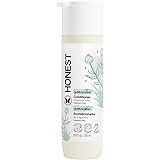
For bathing, a soap-free, pH-neutral, and tear-free formula is invariably recommended. Products designed for newborns are often specifically formulated to minimize disruption to the skin’s natural barrier. These washes are typically free from harsh sulfates, artificial dyes, and fragrances, which can otherwise irritate a baby’s eyes and skin. Furthermore, their gentle composition ensures that the natural oils of the scalp and skin are not stripped away, preventing dryness and discomfort.
Moisturizing Baby Lotions and Creams
Regular moisturizing is crucial for newborn skin, especially after baths, to prevent dryness and maintain skin elasticity. Lotions and creams developed for infants are usually rich in emollients and humectants, such as glycerin and natural oils, which help to hydrate and protect the skin barrier. A thicker cream may be preferred for very dry areas, while a lighter lotion might suffice for overall daily application. Products specifically designed to be non-comedogenic are often chosen to prevent pore blockage, while still providing ample hydration.
Diaper Rash Creams
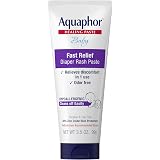
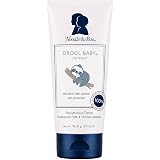
Diaper rash is a common concern for newborns, making a high-quality diaper cream an essential item. Products containing zinc oxide or petroleum jelly are often highly effective in creating a protective barrier against moisture and irritants. Zinc oxide, specifically, is known for its anti-inflammatory and antiseptic properties, aiding in the healing process. Regular application at each diaper change, particularly overnight or during periods of increased wetness, can significantly prevent and treat diaper rash. It is beneficial to select formulations free of strong fragrances and dyes, which could further irritate already sensitive skin.
Baby Oils for Massage and Dry Skin
While not a daily necessity for every infant, a gentle baby oil can be used for infant massage, which promotes bonding and can aid in relaxation. Oils formulated with natural, hypoallergenic ingredients like sunflower oil or jojoba oil are generally favored. These oils can also be effective in treating specific dry patches or conditions like cradle cap, by gently loosening flakes. However, care must be taken to ensure oils do not contain mineral oil or strong perfumes, which may not be suitable for all infants and could potentially lead to skin sensitization over time.
Addressing Common Newborn Skin Concerns with Safe Products
Despite the best preventative measures, newborns can still experience common skin issues that require targeted care. Understanding these conditions and having appropriate baby skin care products on hand can provide quick relief and support healing. The correct product choice is integral to managing these sensitivities effectively.
Managing Diaper Rash
Diaper rash is frequently observed among infants, with prevalence rates estimated to be as high as 35% in the first year of life. It is primarily caused by prolonged exposure to moisture, friction, and irritating enzymes in urine and feces. Effective management involves frequent diaper changes, allowing the area to air dry, and applying a thick barrier cream containing zinc oxide or petroleum jelly. Products with calendula or colloidal oatmeal may also offer soothing benefits. Consistency in care is important; therefore, a reliable, easy-to-apply cream is often chosen by parents.
Combating Dry Skin and Eczema
Dry skin is prevalent in newborns, particularly in environments with low humidity. This can escalate to eczema (atopic dermatitis), which affects approximately 10-20% of infants globally. For dry skin, emollients rich in ceramides and natural oils are highly effective in restoring the skin barrier. For eczema, a more intensive approach might be needed. Specialized creams formulated for eczema-prone skin, often containing colloidal oatmeal and free from common irritants, are recommended. It is imperative to moisturize regularly, at least twice a day, and after every bath, to keep the skin hydrated and reduce flare-ups.
Treating Cradle Cap
Cradle cap, medically known as seborrheic dermatitis, manifests as scaly, greasy patches on a baby’s scalp. While generally harmless, it can be a concern for parents. Gentle daily washing with a mild baby shampoo and softly brushing the scalp with a soft-bristled brush can help loosen the scales. For persistent cases, a small amount of mineral oil or specialized oil for cradle cap can be gently massaged into the scalp before washing to help soften the flakes, which are then rinsed out. The key is to be gentle and consistent, avoiding harsh scrubbing or picking, which could irritate the infant’s delicate scalp.
Preventing Heat Rash (Miliaria)
Heat rash occurs when sweat ducts become blocked, leading to small, red bumps, typically in skin folds or areas covered by clothing. This condition is more common in warmer climates or when infants are overdressed. Prevention is primarily achieved by keeping the baby cool and comfortable, dressed in loose, breathable clothing. Light application of a non-comedogenic lotion may be considered, but heavy creams should be avoided, as they can exacerbate blocked pores. The rash typically resolves on its own once the baby’s skin cools down.
Safe & Gentle Skincare: Your Canadian Baby Q&A
Why is newborn skin different from adult skin?
Newborn skin is much thinner and has a less developed protective barrier than adult skin. This makes it more sensitive to irritation, dryness, and absorbing things from products.
What ingredients should I look for in safe baby skin care products?
Look for natural oils like sunflower or jojoba oil, ceramides, and glycerin, which help moisturize and strengthen a baby’s delicate skin barrier. Colloidal oatmeal is also good for soothing irritation.
What ingredients should I avoid in baby skin care products?
It’s best to avoid fragrances, sulfates, parabens, phthalates, dyes, and formaldehyde releasers, as these can irritate sensitive newborn skin.
What are the basic skincare products a newborn needs?
Essential products include a gentle, tear-free baby wash or shampoo, a moisturizing lotion or cream, and a diaper rash cream to cleanse, hydrate, and protect their skin.