Navigating the early stages of parenthood often presents a myriad of concerns, and chief among them are the delicate complexities of a newborn’s skin. As highlighted in the accompanying video discussing common skin concerns of babies, their dermal layer is remarkably different from an adult’s, making it particularly susceptible to various irritations and conditions. Understanding these nuances is not just about aesthetics; it’s about ensuring comfort and preventing potential complications for your little one.
A baby’s skin, often likened to a fine silk fabric, is incredibly permeable and thinner than an adult’s. This increased permeability means it absorbs substances more readily, while its immature barrier function—the stratum corneum—struggles to retain moisture. Consequently, infants are more prone to dryness, allergic reactions, and environmental damage. Knowing the common infant skin issues allows parents to act proactively, distinguishing between benign temporary conditions and those requiring medical attention.
Demystifying Common Baby Skin Concerns: A Primer for Parents
The journey through babyhood is often punctuated by various skin conditions, each presenting unique characteristics. Recognizing these common baby skin concerns is the first step toward effective management. We’ll delve into the most prevalent issues, offering insights into their appearance, causes, and practical management strategies.
Diaper Rash: The Ubiquitous Irritant
Diaper rash, medically known as irritant contact dermatitis, is perhaps the most frequent dermatological complaint in infants. It’s a fiery red inflammation in the diaper area, often caused by prolonged exposure to urine and feces, friction from the diaper itself, or certain ingredients in wipes and products. Imagine the skin as a soft sponge constantly exposed to moisture and mild acids; eventually, it breaks down.
- Symptoms: Redness, tenderness, sometimes bumps or peeling skin in the diaper region.
- Management: Frequent diaper changes are paramount. Allow the baby’s bottom to air dry after cleaning, and apply a thick barrier cream containing zinc oxide or petrolatum. Avoid harsh soaps or wipes with alcohol and fragrances.
- When to Worry: If the rash doesn’t improve within a few days, spreads, or develops blisters, pus, or a yeasty smell, it might indicate a yeast infection (candidiasis), requiring antifungal cream prescribed by a pediatrician.
Eczema (Atopic Dermatitis): The Itchy Enigma
Atopic dermatitis, commonly referred to as eczema, affects a significant percentage of infants, with estimates suggesting up to 20% experience it. This chronic inflammatory skin condition manifests as dry, red, intensely itchy patches, often appearing on the face, scalp, and joints. It’s like having a defective skin barrier, allowing irritants in and moisture out.
- Symptoms: Dry, scaly, red patches; intense itching (which can disrupt sleep); sometimes oozing or crusting.
- Management: Consistent moisturizing is crucial, ideally twice daily with thick, emollient creams or ointments. Use lukewarm water for short baths, followed by immediate moisturization. Identify and avoid triggers like certain fabrics, harsh detergents, or allergens.
- When to Worry: If the eczema becomes infected (indicated by pus, increased redness, or fever) or if topical treatments aren’t providing relief, a dermatologist or pediatrician can recommend stronger medications like topical steroids.
Cradle Cap (Seborrheic Dermatitis): The Scaly Crown
Cradle cap, or seborrheic dermatitis, is a common and typically harmless condition presenting as greasy, yellowish, scaly patches on a baby’s scalp. It can also appear on the face, ears, or diaper area. Think of it as an oily accumulation, like flakes on a poorly maintained surface.
- Symptoms: Thick, greasy, yellowish scales or crusts on the scalp.
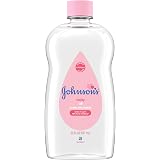
- Management: Gently massage a small amount of baby oil or mineral oil onto the affected area to loosen scales. After a few minutes, gently brush with a soft baby brush or comb, then wash with a mild baby shampoo.
- When to Worry: Cradle cap usually resolves on its own within a few weeks or months. If it seems to bother the baby, spreads beyond the scalp, or appears inflamed, consult with your doctor.
Baby Acne: The Newborn Breakouts
Often a surprise for new parents, baby acne, or neonatal acne, is characterized by small red or white bumps, usually on the face, forehead, and chin. It typically emerges within the first few weeks after birth. This is akin to a temporary hormonal surge causing a superficial bloom.
- Symptoms: Small red bumps, sometimes with whiteheads.
- Management: Generally, no treatment is necessary. Keep the baby’s face clean with plain water and mild baby soap. Avoid scrubbing or applying adult acne products, which can irritate delicate skin.
- When to Worry: If the acne appears after six weeks of age, or if it seems particularly severe or bothersome, it could be infantile acne, which sometimes requires medical intervention.
Heat Rash (Miliaria Rubra): The Prickly Problem
Heat rash, also known as prickly heat, occurs when sweat ducts become blocked, trapping sweat beneath the skin. This typically happens in warm, humid conditions or when a baby is overdressed. It’s like a tiny dam forming, causing irritation when sweat cannot escape.
- Symptoms: Tiny red bumps or small blisters, often in skin folds (neck, armpits, groin) or areas covered by clothing.
- Management: Cool the baby down by removing excess clothing, ensuring good air circulation, and giving a lukewarm bath. Keep the affected area dry.
- When to Worry: Heat rash usually clears quickly once the skin is cooled. If the rash persists, worsens, or shows signs of infection (pus, fever), seek medical advice.
The Delicate Balance: Nurturing Infant Skin Health
Maintaining optimal baby skin health transcends simply reacting to problems; it involves proactive, gentle care. Establishing a consistent skincare regimen can significantly reduce the incidence of many common baby skin concerns.
Bathing Rituals: Less is More
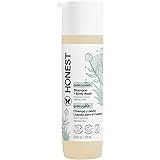
Frequent, long baths can strip a baby’s skin of its natural oils, exacerbating dryness. Aim for short (5-10 minute) baths using lukewarm water and a mild, fragrance-free cleanser designed for infants. Consider bathing newborns only 2-3 times a week, increasing frequency as they become more active, always prioritizing gentle cleansing.
Moisturization: A Daily Imperative
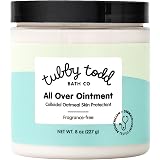
Immediately after bathing, while the skin is still damp, apply a thick, hypoallergenic, fragrance-free moisturizer. This locks in moisture, forming a protective barrier against environmental irritants. Think of it as sealing in the goodness, much like a protective glaze.
Product Selection: Scrutinize Ingredients
The sheer volume of baby skincare products can be overwhelming. Opt for products specifically formulated for sensitive baby skin, ideally those labeled “hypoallergenic,” “fragrance-free,” and “dye-free.” Avoid harsh chemicals like phthalates, parabens, and sulfates, which can disrupt the delicate skin barrier. Always patch test new products on a small area of skin before widespread use.
Clothing Choices: Breathable and Soft
Dress your baby in soft, breathable fabrics like cotton to prevent overheating and friction. Avoid rough materials like wool, especially if your baby has sensitive skin or eczema. Loose-fitting clothing allows for better air circulation, minimizing the risk of heat rash and irritation.
Environmental Factors: Controlled Comfort
Maintain a comfortable temperature and humidity level in your home. Dry air, particularly from heaters in winter, can dehydrate a baby’s skin; a humidifier can be beneficial. Protect your baby from direct sun exposure, using shade and appropriate clothing, as their skin is highly vulnerable to UV damage.
Understanding and proactively addressing common baby skin concerns empowers parents to provide the best possible care. While the video above offers a visual introduction, remember that diligent observation and appropriate responses are key to nurturing healthy, happy baby skin.
Gentle Guidance for Baby Skin Concerns: Your Q&A
Why is a baby’s skin so delicate?
A baby’s skin is much thinner and more permeable than an adult’s, meaning it absorbs substances more readily. Its natural barrier is also immature, making it prone to dryness and irritation.
What is diaper rash and how can I help it?
Diaper rash is a common red inflammation in the diaper area, often caused by prolonged exposure to wetness and friction. You can help by changing diapers frequently, allowing the area to air dry, and applying a thick barrier cream like one with zinc oxide.
What is cradle cap and how do I manage it?
Cradle cap appears as greasy, yellowish, scaly patches on a baby’s scalp, which is usually harmless. To manage it, gently massage baby oil to loosen scales, then brush with a soft brush and wash with mild baby shampoo.
Should I moisturize my baby’s skin?
Yes, consistent moisturizing is crucial for baby skin health. Apply a thick, hypoallergenic, fragrance-free moisturizer daily, especially right after bathing, to lock in moisture and protect their delicate skin.