Are you giving your feline friend’s paws the attention they truly deserve? While our cats are meticulous groomers, their delicate toe beans often require a little extra help from us. If you’ve just watched the video above, you’ve seen a glimpse into the gentle art of daily cat’s toebeans care. This essential routine not only keeps their paws healthy and comfortable but also strengthens your bond.
Far more than just cute little pads, a cat’s paws are vital for their mobility, balance, hunting, and even communication. Neglecting them can lead to painful issues, affecting their overall well-being. Understanding proper feline paw care is a key aspect of responsible pet ownership, helping prevent common problems before they escalate.
Understanding Your Cat’s Amazing Paws
A cat’s paws are incredibly complex and sensitive structures. Each paw consists of multiple pads, five digits on the front paws and four on the back, complete with retractable claws. These unique features allow cats to grip surfaces, absorb shock when jumping, and detect vibrations from potential prey.
The paw pads themselves are composed of tough, fatty tissue, acting as natural shock absorbers. However, despite their resilience, they can still become dry, cracked, or injured. Daily inspection and care are paramount to ensuring these crucial tools remain in top condition.
The Importance of Regular Cat Paw Care
Establishing a routine for cat’s toebeans care goes beyond just aesthetics; it’s fundamental for your cat’s health. Consistent attention helps you identify potential problems early, from minor cuts and abrasions to more serious infections or embedded foreign objects. Healthy paws contribute significantly to a cat’s comfort and mobility throughout their life.
Ignoring paw health can lead to a host of issues. Overgrown claws can get snagged, cause pain, or even grow into the paw pad itself, leading to infection. Matted fur between the pads can pull and irritate the skin, trapping dirt and debris, which increases the risk of dermatitis or other skin conditions. Dry or cracked paw pads are not only uncomfortable but also make your cat vulnerable to infection.
When to Start Feline Paw Care
Begin introducing paw handling to your kitten from a young age. This early exposure helps them become accustomed to having their paws touched, making future grooming sessions much easier. Even older cats can learn to tolerate or even enjoy paw care with patience and positive reinforcement.
Aim for short, positive sessions initially, gradually increasing the duration as your cat becomes more comfortable. Consistency is crucial; a few minutes each day or every other day is more effective than infrequent, lengthy struggles.
Essential Steps for Daily Cat’s Toebeans Care
A comprehensive cat paw care routine typically involves several key steps. Implementing these practices regularly ensures your cat’s paws stay healthy and happy.
Gentle Paw Inspection
Start each session with a thorough visual and tactile inspection of your cat’s paws. Gently spread their toes and examine the pads and the fur in between. Look for any cuts, punctures, redness, swelling, or unusual discharge.
Check for embedded objects like splinters, burrs, or small pieces of gravel. A cat’s paws are their primary contact with their environment, so debris can easily become lodged. Early detection prevents discomfort and potential infection.
Nail Trimming for Healthy Claws
Trimming your cat’s claws is arguably the most critical aspect of cat’s toebeans care. Overgrown claws can lead to discomfort, difficulty walking, and even orthopedic issues over time. They can also get caught on carpets or furniture, causing injury.
Use sharp, good-quality cat nail clippers. Locate the “quick,” the pink part of the nail containing blood vessels and nerves. Only snip the clear, pointed tip of the claw, avoiding the quick to prevent pain and bleeding. If you’re unsure, consult your veterinarian or a professional groomer for a demonstration. Remember to reward your cat generously after each successful trim.
Maintaining Clean Paw Pads
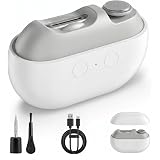
The fur between your cat’s paw pads can sometimes grow long, collecting litter, dirt, and debris. This can lead to matting, irritation, and even yeast or bacterial infections. Gently trim any excess fur with blunt-nosed scissors or a small electric trimmer designed for pets.
After outdoor adventures or if your cat steps in something messy, a gentle wipe with a pet-safe paw wipe or a damp cloth is often sufficient. Avoid harsh soaps or chemicals that can irritate their sensitive skin. For more persistent dirt, a shallow paw bath with lukewarm water can be effective, followed by thorough drying.
Moisturizing Dry or Cracked Paw Pads
Just like human skin, a cat’s paw pads can become dry and cracked, especially in extreme weather conditions or due to underlying health issues. These cracks can be painful and prone to infection. Consider applying a small amount of veterinarian-approved paw balm or moisturizer designed specifically for pets.
These balms typically contain ingredients like shea butter, coconut oil, or vitamin E to soothe and protect. Apply sparingly and distract your cat with a treat or toy to prevent them from licking it off immediately, giving it time to absorb. If cracks are deep or bleeding, a veterinary visit is essential.
Creating a Positive Paw Care Experience
Many cats are naturally resistant to having their paws handled. Patience, consistency, and positive reinforcement are your best tools. Always approach paw care in a calm, gentle manner. Start with short sessions, praising your cat and offering high-value treats frequently.
If your cat shows signs of stress or aggression, stop and try again later. Never force the issue, as this can create a negative association with paw handling. Gradually, your cat may begin to associate paw care with pleasant experiences, making the process much smoother for both of you.
Tools for Effective Feline Paw Care
Having the right tools makes a significant difference in your cat’s toebeans care routine:
- Cat-specific nail clippers: Choose between scissor-style or guillotine-style, based on your preference and your cat’s nail size.
- Styptic powder: Keep this on hand in case you accidentally cut the quick, to quickly stop bleeding.
- Blunt-nosed scissors or a small trimmer: For trimming excess fur between paw pads.
- Pet-safe paw wipes or a soft cloth: For quick cleaning.
- Veterinary-approved paw balm or moisturizer: To address dry or cracked pads.
- High-value treats: Essential for positive reinforcement.
When to Seek Veterinary Attention for Paw Problems
While daily cat’s toebeans care can prevent many issues, some problems require professional veterinary attention. Consult your vet if you notice:
- Limping or reluctance to bear weight on a paw.
- Excessive licking or chewing of the paws.
- Persistent redness, swelling, or foul odor.
- Deep cuts, punctures, or bleeding that doesn’t stop.
- Unexplained lumps or growths on the paw pads.
- Signs of infection, such as pus or fever.
These symptoms could indicate a more serious underlying condition, such as an infection, injury, allergic reaction, or even a systemic illness. Early diagnosis and treatment are crucial for your cat’s comfort and recovery.
Paws for Thought: Your Toebean Care Q&A
What are cat “toe beans” and why are they important?
Cat “toe beans” are the soft pads on their paws. They are vital for their mobility, balance, hunting, and act as natural shock absorbers.
Why is it important to regularly care for my cat’s paws?
Regular paw care is fundamental for your cat’s health, helping prevent painful issues like overgrown claws, matting, or infections, and ensuring their overall comfort and mobility.
When should I start introducing paw care to my cat?
It’s best to start introducing paw handling to kittens from a young age. Even older cats can learn to tolerate or enjoy paw care with patience and positive reinforcement.
What are the main steps for basic cat paw care?
Essential steps include gently inspecting their paws, trimming their nails, keeping the fur between their pads clean, and moisturizing any dry or cracked pads with pet-safe balm.