Do you ever wonder what an ideal, simple baby skincare routine truly looks like? As seen in the accompanying video, even a dermatologist and new dad like Maxwell’s father believes less is often more when it comes to infant skin. While it’s tempting to think babies need elaborate care, the truth is that a few key steps with the right products can keep your little one’s delicate skin healthy and happy.
Newborn and infant skin is incredibly sensitive and still developing its natural protective barrier. This means it’s more prone to dryness, irritation, and common conditions like eczema and diaper rash. Understanding the basics of gentle care, as recommended by skin experts, is essential for every parent.
Establishing a Gentle Baby Bath Routine
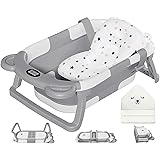
Bathing your baby is a special bonding time, but it doesn’t need to happen every single day, especially for newborns. Over-bathing can strip away natural oils, leading to dryness and irritation. Aim for two to three baths per week, increasing frequency as they get older and more active.
When it’s bath time, use lukewarm water and keep the bath short, around 5-10 minutes. The video highlights a great choice: a gentle, combo wash and shampoo like CeraVe Wash & Shampoo. This product works well because it’s specifically formulated to be gentle on sensitive skin.
It also contains ceramides, which are lipids naturally found in the skin that help restore and maintain its protective barrier. Using a product with ceramides can significantly help hydrate your baby’s skin and prevent issues, making it a dermatologist-approved choice.
Tackling Baby Dandruff (Cradle Cap)
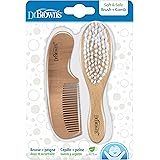
Many parents encounter “baby dandruff,” also known as cradle cap, which appears as greasy, scaly patches on a baby’s scalp. It’s common and usually harmless, but it can be visually concerning. While the father in the video admits he’s not typically a fan of exfoliating brushes, he finds a super soft-bristled brush particularly helpful for his baby’s cradle cap.
This gentle approach can work wonders by carefully lifting and removing the scales without irritating the delicate scalp. You can gently massage the brush into the affected areas during bath time, and then rinse thoroughly. If cradle cap is severe or persistent, always consult with your pediatrician, as sometimes medicated shampoos or creams might be necessary.
Understanding Cradle Cap
Cradle cap is a form of seborrheic dermatitis, often caused by overactive oil glands in the skin. It’s not due to poor hygiene and is not contagious. Regular, gentle washing and mild physical exfoliation with a soft brush can often resolve it without medication.
The Essential Step: Post-Bath Moisturizing
After every bath, moisturizing is a non-negotiable step in an effective baby skincare routine. As mentioned in the video, Maxwell’s mom has a history of eczema, which highlights the importance of proactive skincare for babies, especially those with a family predisposition to dry or sensitive skin conditions.
A good baby moisturizer should be free from fragrance, parabens, and dyes, as these can be irritating to sensitive skin. Fragrances, in particular, are a common trigger for skin allergies and eczema flares. Opt for a rich cream or ointment rather than a thinner lotion, as creams provide a more substantial barrier and better hydration.
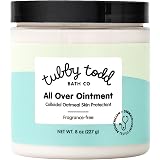
Apply the moisturizer generously within minutes of taking your baby out of the bath, while their skin is still slightly damp. This helps to lock in moisture and create a protective layer. Look for products that contain ingredients like ceramides, hyaluronic acid, or colloidal oatmeal, which are known for their soothing and hydrating properties.
Preventing and Treating Diaper Rash
Diaper rash is a common skin concern for babies, characterized by red, irritated skin in the diaper area. It can be caused by prolonged wetness, friction, or irritation from urine and stool. The video suggests using CeraVe Healing Ointment on little body folds around the diaper area to both prevent and heal diaper rash.
This healing ointment creates a protective barrier that helps seal out wetness and allows the skin to heal. For effective diaper rash prevention, ensure you change diapers frequently and thoroughly clean the diaper area with plain water or a gentle, fragrance-free wipe. Allow the area to air dry completely before applying a protective barrier cream or ointment and a fresh diaper.
Diaper Rash Prevention Tips
- Change diapers promptly after they become wet or soiled.
- Clean your baby’s bottom gently with a soft cloth and warm water, or fragrance-free wipes.
- Allow your baby’s bottom to air dry for a few minutes before putting on a new diaper.
- Apply a thick layer of a barrier cream or ointment, like the CeraVe Healing Ointment, with each diaper change, especially overnight.
If a diaper rash persists for more than a few days, worsens, or shows signs of infection (like pus, blisters, or fever), it’s important to consult your pediatrician. They can help identify if it’s a fungal infection or something else requiring specific treatment.
General Skincare Best Practices for Babies
Beyond the daily routine, a few overarching principles can ensure your baby’s skin stays healthy. Always perform a patch test when introducing new products by applying a small amount to a discreet area of skin, like behind the ear, and waiting 24 hours for any reaction.
Additionally, dress your baby in soft, breathable fabrics like cotton to prevent irritation and overheating. Always use a gentle, fragrance-free laundry detergent for their clothes and bedding. Protecting your baby from direct sun exposure with shade and appropriate clothing is also vital, as their skin is highly susceptible to sunburn.
Adopting a simple yet effective baby skincare routine, as recommended by dermatologists, ensures your child’s delicate skin remains protected and nourished, setting a foundation for healthy skin as they grow.
Nurturing Your Baby’s Skin: Dermatologist Q&A
What is the main idea behind a baby skincare routine?
A simple approach is best for infant skin, focusing on a few key steps with gentle products to keep delicate skin healthy and happy.
How often should I bathe my baby?
It’s recommended to bathe newborns and infants two to three times per week to avoid stripping natural oils. You can increase the frequency as they get older.
What is cradle cap and how can I gently address it?
Cradle cap is common ‘baby dandruff’ that appears as greasy, scaly patches on the scalp. You can gently address it during bath time by using a super soft-bristled brush to lift and remove the scales.
Why is it important to moisturize my baby’s skin after a bath?
Moisturizing after every bath is essential to lock in moisture while the skin is still damp, helping to create a protective layer and prevent dryness.
What are some basic tips to prevent diaper rash?
To prevent diaper rash, change diapers promptly, clean the area gently with water or fragrance-free wipes, allow the skin to air dry, and apply a protective barrier cream.