Imagine this familiar scenario: you’ve just settled in for a moment of peace, perhaps with a warm cup of coffee, when suddenly a distinct, unpleasant aroma wafts through the air. You look down, and there it is—a diaper blowout. It’s a rite of passage for every parent, a messy badge of honor that often sparks a mini-panic attack. The sheer volume, the unexpected trajectory, and the sheer stickiness can make even the most seasoned parent groan. The video above, however, offers a glimpse into a truly game-changing approach to what many consider one of parenthood’s most formidable challenges: the dreaded full-scale diaper disaster.
Mastering the Diaper Blowout Cleanup: A Stress-Free Approach
Every parent knows the scene: a tiny human, seemingly innocent just moments before, is now encased in a gooey, inescapable mess. Such moments often leave us wondering, “Is there an easier way?” Indeed, there is. The video clip vividly demonstrates a remarkably efficient method for initial diaper blowout cleanup, transforming a moment of “oh, crap” into a sigh of relief. This strategy involves the smart use of a bath sprayer, turning what could be a wrestling match with wipes into a streamlined rinsing process.
Understanding the “Why” Behind Diaper Blowouts
Before delving into the cleanup, it is beneficial to understand why these messy incidents occur. Diaper blowouts typically happen when the contents of a baby’s bowel movement exceed the capacity or containment capabilities of the diaper. Several factors contribute to this phenomenon:
- Improper Diaper Fit: A diaper that is too large will have gaps around the legs or waist, allowing leakage. Conversely, a diaper that is too small might not have enough absorbency or coverage for a larger bowel movement.
- Explosive Movements: Babies, especially breastfed infants, can have very liquidy and sometimes forceful bowel movements that simply overwhelm the diaper’s protective barriers.
- Timing: Blowouts often occur during or shortly after a feeding, when the digestive system is most active.
- Movement: Pressure on the baby’s abdomen, such as during tummy time, sitting in a car seat, or being held a certain way, can also contribute to the outward expulsion.
Understanding these triggers can help parents anticipate and, in some cases, mitigate the frequency of these messy events. However, prevention is not always possible, which underscores the importance of an effective diaper blowout cleanup strategy.
The Genius of the Bath Sprayer for Baby Cleaning
The video above brilliantly showcases the Frida bath sprayer as a core component of an efficient diaper blowout cleanup. This tool is not just for cleaning the tub; it becomes a powerful ally in maintaining infant hygiene. Rather than struggling with countless wipes and smearing the mess further, the sprayer offers a continuous flow of water, allowing for a gentle yet thorough rinse. Here is how this method typically unfolds:
- Immediate Containment: First and foremost, carefully remove the soiled diaper, folding it inwards to contain as much mess as possible.
- Positioning Your Baby: Gently position your baby over a tub or basin. Many parents find holding the baby in a football hold, with their bottom over the water, works well.
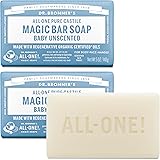
- Applying Soap: As demonstrated, apply a gentle, baby-safe soap directly to the affected areas.
- Spraying and Scrubbing: Use the bath sprayer to direct a stream of warm water onto the soiled skin. The continuous flow helps to dislodge and rinse away the mess. Simultaneously, use your free hand or a soft washcloth to gently scrub or wipe away any remaining residue.
- Rinsing Thoroughly: Continue to spray and rinse until the area is completely clean. The warm water ensures comfort for your baby while effectively washing away all traces of the blowout.
- Final Pat Dry: Once clean, gently pat your baby dry with a soft towel before applying a fresh diaper.
This approach significantly reduces the amount of friction and irritation on your baby’s sensitive skin, which can be a major benefit compared to aggressive wiping.
A Holistic Guide to Stress-Free Diaper Blowout Management
While the bath sprayer is an excellent tool for the immediate diaper blowout cleanup, a comprehensive strategy involves several other crucial steps, from initial assessment to final laundry. Consequently, being prepared can dramatically reduce the stress associated with these messy incidents.
Immediate Actions Post-Blowout
The moment you discover a blowout, a quick and calm response is paramount. First, assess the extent of the damage. Is it just the diaper, or has it reached clothing, car seats, or even your arms? Secondly, take a deep breath. Panicking only makes the task more daunting. Thirdly, carefully remove any soiled clothing that is easy to slip off, avoiding further spread of the mess. Place these items immediately into a plastic bag or directly into a pre-soak area.
Assembling Your Cleanup Arsenal
Having the right tools within arm’s reach is essential for a smooth diaper blowout cleanup. Consider having a “blowout kit” ready, especially for outings. Your kit should ideally include:
- Plenty of baby wipes (even if you prefer rinsing, wipes are handy for initial containment).
- A portable changing mat.
- Several clean diapers (one size up is often helpful for very messy situations).
- A change of clothes for the baby (and perhaps a spare shirt for yourself).
- Plastic bags for soiled diapers and clothing.
- A small bottle of baby-safe liquid soap.
- Hand sanitizer for yourself.
Moreover, at home, ensure your changing station is well-stocked, and that your bathroom is easily accessible for the bath sprayer method.
Beyond the Sprayer: Comprehensive Baby Hygiene
Once the initial rinse with the bath sprayer is complete, you may choose to follow up with a quick, full bath, especially if the mess was extensive. This ensures all crevices are clean and gives your baby a fresh start. When bathing, use lukewarm water and a mild, fragrance-free baby soap. Pay particular attention to skin folds, as residual stool can lead to diaper rash. Furthermore, remember to keep bath time short and sweet to prevent skin dryness.
Dealing with Soiled Clothing and Linens
The cleanup extends beyond the baby to the aftermath of clothing and linens. To prevent permanent stains and ensure thorough sanitization, follow these steps:
- Immediate Rinse: As soon as possible, rinse soiled items under cold running water. Hot water can set stains.
- Pre-Treat: Apply a stain remover specifically designed for baby clothing or a mild laundry detergent directly to the stained areas. Let it sit for at least 15-30 minutes, or even overnight for stubborn stains.
- Wash Separately: Wash soiled items separately from other laundry, using a gentle, baby-friendly detergent.
- Air Dry: If possible, air dry the clothing. The sun’s UV rays can act as a natural bleach and help remove any lingering stains.
Implementing these laundry practices can save cherished outfits and reduce the frustration of ruined clothing.
Strategies for Minimizing Future Diaper Blowouts
While a diaper blowout cleanup will inevitably be part of your parenting journey, there are several proactive measures you can take to reduce their frequency and severity. Consequently, a little foresight can save a lot of mess.
- Check Diaper Fit Regularly: As babies grow, their diaper size needs change. Ensure there are no gaps around the thighs and waist, and that the diaper comes up high enough on the back. A good fit is snug but not constricting.
- Consider Diaper Brands: Not all diapers are created equal. Some brands offer better absorbency or a different fit that might work better for your baby’s body shape and bowel habits. Experiment with different brands if blowouts are a recurring issue.
- Frequent Diaper Changes: Changing diapers more frequently can prevent them from becoming overly saturated, which increases the likelihood of a blowout.
- “Blowout-Proof” Diapering Techniques: Some parents swear by tucking in the ruffle around the legs or even using two diapers (one slightly larger over a snug-fitting one) for extra protection during specific times, like long car rides or overnight.
- Feeding Schedules: Pay attention to when your baby tends to have their largest bowel movements. Changing them right before or after a feeding might help catch the mess before it escapes.
Moreover, for newborns, ensure the umbilical cord stump is protected by folding down the front of the diaper or using a specialized newborn diaper with a cutout.
Essential Tools for Proactive Diaper Blowout Management
Beyond the immediate diaper blowout cleanup, having a toolkit of preventative and mitigating items can make all the difference. Therefore, stocking up on these essentials is a smart move for any parent.
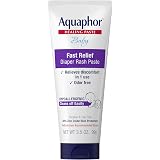
- Diaper Rash Cream: Applying a protective barrier cream can help shield your baby’s skin from irritation, especially after a messy incident.
- Waterproof Pads/Covers: Place waterproof pads under your baby during diaper changes, or use waterproof car seat and stroller liners, to protect surfaces from unexpected messes.
- Travel-Sized Wipes and Sanitizer: Essential for on-the-go cleanups, ensuring you’re always prepared.
- Changing Pad Liners: Disposable or washable liners add an extra layer of protection to your changing pad.
Ultimately, a confident and calm approach to diaper blowout cleanup is achievable. By combining the immediate effectiveness of a bath sprayer, as seen in the video, with thoughtful preparation and ongoing preventative measures, parents can transform these dreaded incidents into manageable, albeit still messy, parts of the parenting journey. The goal is to minimize stress and maximize cleanliness for both baby and parent.
Tackling Blowouts: Your Cleanup Q&A
What is a diaper blowout?
A diaper blowout is when a baby’s bowel movement leaks out of the diaper, often due to its volume, force, or the diaper’s fit. It’s a common, messy event for parents.
Why do diaper blowouts occur?
Diaper blowouts happen when a baby’s bowel movement is too much for the diaper to contain, often due to a poor diaper fit, forceful movements, or specific timings like after feeding.
What is a simple way to clean up a baby after a messy diaper blowout?
The article suggests using a bath sprayer to rinse your baby gently with warm water and baby-safe soap over a tub or basin. This method can be more efficient and gentler than using many wipes.
What tools should I keep ready for a diaper blowout cleanup?
It’s helpful to have a “blowout kit” ready, including plenty of baby wipes, a changing mat, clean diapers and clothes, plastic bags for soiled items, baby soap, and hand sanitizer.