The anticipation of bringing a newborn home is often filled with immense joy, yet it also comes with a unique set of anxieties. One common concern for many new parents revolves around baby’s first bath. You might wonder when to start, what products are safe, and how to keep your precious little one comfortable and secure during this new experience. Fortunately, insights from experts, like the pediatrician and dad of three featured in the video above, offer invaluable guidance.
Embarking on the journey of your baby’s first bath can feel daunting, but it transforms into a beautiful bonding experience with the right preparation and knowledge. This guide expands on those crucial tips, providing comprehensive details to ensure your newborn’s bathtime is safe, soothing, and utterly delightful. We will delve into everything from proper timing and essential supplies to maintaining delicate skin health, empowering you to confidently navigate this exciting milestone.
Essential Preparations for Your Newborn’s First Bathtime
Preparing effectively for baby’s first bath is paramount, ensuring both safety and comfort for your little one. The video rightly emphasizes that setup is key, and having all your necessities within arm’s reach prevents unnecessary stress. Consider these detailed steps before you even think about filling the tub.
1. Timing is Everything: When to Start Baby’s First Full Bath
While the video focuses on the bathing process, a crucial preliminary step is understanding *when* to give baby’s first full bath. Healthcare professionals typically recommend waiting until your newborn’s umbilical cord stump has dried up and fallen off naturally, which usually occurs between one to three weeks after birth. Prior to this, gentle sponge baths are recommended to keep your baby clean without submerging the sensitive cord area, preventing potential infection.
Once the umbilical cord has detached and the navel has healed, you can then transition to a full bath. This waiting period allows your baby’s delicate skin barrier to further develop and reduces any risk associated with the umbilical stump. Always consult your pediatrician if you have concerns about the cord or skin healing before proceeding with a full bath.
2. Curating Safe Skincare Products for Delicate Skin
The pediatrician in the video correctly highlights the importance of choosing products that are gentle on your child’s skin. Newborn skin is exceptionally sensitive and permeable, meaning it can absorb substances more readily than adult skin. Therefore, selecting the right baby wash and other skincare items is not just a preference, but a vital health consideration.
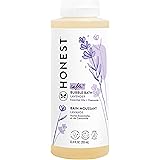
Always opt for fragrance-free and dye-free options, as artificial fragrances and dyes are common irritants that can lead to rashes, dryness, or allergic reactions. Look for formulas specifically designed for newborns and sensitive skin, often labeled as hypoallergenic or dermatologist-tested. Products like The Honest Company’s 2-in-1 Sensitive Shampoo and Body Wash are excellent examples, featuring ingredients formulated to be gentle and supportive of your baby’s developing skin barrier without harsh chemicals.
3. Optimizing Water Temperature for Baby’s Comfort and Safety
Achieving the ideal water temperature is a non-negotiable aspect of a safe and comfortable newborn bath. The recommended range, as mentioned in the video, is between 98 to 100 degrees Fahrenheit (37 to 38 degrees Celsius). This precise temperature mimics the warmth of the womb and prevents both hypothermia, where the baby gets too cold, and scalding, which can cause severe burns.
To ensure accuracy, always use a reliable bath thermometer to test the water. Alternatively, you can test the water with your elbow or the inside of your wrist; it should feel pleasantly warm, not hot. Never place your baby into a running faucet, as water temperature can fluctuate rapidly, posing a serious burn risk.
4. Creating a Warm Environment and Gathering Bath Essentials
Beyond the bath water itself, maintaining a warm room temperature is crucial to prevent your baby from getting chilly, particularly immediately after the bath. Consider turning up the thermostat in the bathroom or using a space heater safely away from water before bathtime commences. Having a soft, warm towel ready and within arm’s reach is essential for immediate drying.
A well-organized setup minimizes frantic searching and maximizes your focus on your baby. Before you even start the water, gather everything you will need: a baby-safe tub or basin, a soft washcloth, your chosen gentle baby wash, a clean diaper, fresh clothes, and any post-bath healing ointments or moisturizers. This foresight ensures a smooth transition from bath to drying and dressing, making the entire experience more relaxing for everyone involved.
The Bathtime Experience: Nurturing and Post-Bath Care
Once your preparations are complete, the actual bathing process can begin, followed by attentive post-bath care. These steps ensure your baby’s cleanliness and continued skin health, while also providing valuable opportunities for connection.
1. Gentle Bathing Techniques for Newborns
When placing your baby into the bath, always support their head and neck firmly. Hold them securely with one hand while using your other hand to gently wash their body. Begin with their face, using a soft, damp cloth without soap, then move to their hair, applying a tiny amount of baby shampoo and rinsing carefully to avoid getting water in their eyes.
Next, clean their body, paying special attention to folds in the skin, such as under the arms, behind the ears, and in the diaper area. Use gentle strokes and rinse thoroughly to remove all soap residue. Keep the bath brief, around five to ten minutes, to prevent skin from drying out and to maintain your baby’s body temperature.
2. Post-Bath Skin Support with Healing Ointments
Immediately after lifting your baby from the bath, wrap them snugly in the pre-warmed towel. Gently pat their skin dry, rather than rubbing, which can irritate delicate skin. Pay particular attention to skin folds, ensuring they are completely dry to prevent moisture buildup and potential rashes.
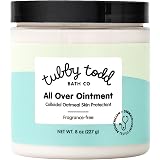
Following this, apply a suitable moisturizer or healing ointment, such as the Head to Toe Healing Ointment mentioned in the video. Applying it within a few minutes of drying helps to lock in moisture, crucial for maintaining the integrity of your baby’s developing skin barrier. This step is particularly beneficial for babies with naturally dry skin or those prone to eczema, providing essential nourishment and protection. These products can be conveniently found at major retailers like Target, Walmart, and on Amazon, making them accessible for all parents.
Soaking Up Answers: Your First Bath Q&A
When can I give my baby their first full bath?
It’s best to wait until your newborn’s umbilical cord stump has dried and fallen off naturally, which usually takes one to three weeks after birth. Before then, gentle sponge baths are recommended.
What kind of products should I use for my baby’s delicate skin?
Always choose fragrance-free and dye-free baby washes and skincare products. Look for options specifically designed for newborns and sensitive skin, often labeled as hypoallergenic or dermatologist-tested.
What is the correct water temperature for a baby bath?
The ideal water temperature for a baby bath is between 98 to 100 degrees Fahrenheit (37 to 38 degrees Celsius). You can use a bath thermometer or test the water with your elbow to ensure it’s pleasantly warm, not hot.
How long should a newborn’s bath last?
Keep the bath brief, around five to ten minutes, to prevent your baby’s skin from drying out and to help maintain their body temperature.
What should I do immediately after bathing my baby?
After lifting your baby from the bath, wrap them in a warm towel and gently pat their skin dry. Then, apply a suitable moisturizer or healing ointment within a few minutes to help lock in moisture.