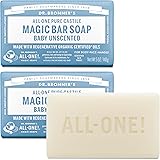
As Dr. Muneeb Shah highlights, achieving optimal skin health often requires fewer products than one might assume. Indeed, a core philosophy in dermatology posits that three fundamental products form the bedrock of any effective regimen. These essentials are a quality cleanser, a robust moisturizer, and a broad-spectrum sunscreen. Every other ingredient, while potentially beneficial, is supplemental. They target specific concerns. This approach helps us simplify your skincare routine, making it both effective and economical.
The Foundational Three: Essential Skincare Products
A truly effective skincare regimen begins with a trio. These products maintain skin integrity. They protect against environmental aggressors. Understanding their individual roles is crucial.
Cleanser: The First Step in Skin Preparation
A cleanser’s function extends beyond mere dirt removal. Its primary role involves lifting impurities. It also prepares the skin for subsequent treatments. Proper cleansing respects the skin’s delicate barrier. Aggressive cleansing disrupts the skin’s natural pH. This leads to dryness and irritation. Look for formulations suited to your skin type. Gel cleansers suit oily skin. Cream cleansers benefit dry or sensitive complexions. Oil-based cleansers are excellent for makeup removal. They maintain lipid balance. Gentle cleansing is non-negotiable.
Moisturizer: Bolstering the Skin Barrier
Moisturizers are vital for skin barrier function. They prevent transepidermal water loss (TEWL). A healthy skin barrier is crucial. It defends against environmental irritants. It locks in hydration. Components like ceramides, fatty acids, and cholesterol mimic the skin’s natural lipids. Humectants, such as hyaluronic acid, draw water into the skin. Occlusives, like petrolatum, form a protective seal. Emollients smooth and soften. Choosing the right moisturizer strengthens skin resilience. It supports overall dermal health.
Sunscreen: Non-Negotiable Photoprotection
Sunscreen is the paramount anti-aging and skin health product. It offers critical photoprotection. Daily application prevents UV-induced damage. This includes premature aging, hyperpigmentation, and skin cancer. Broad-spectrum formulas defend against both UVA and UVB rays. Mineral sunscreens contain zinc oxide or titanium dioxide. Chemical sunscreens absorb UV radiation. An SPF of 30 or higher is recommended. Reapplication every two hours is essential. Consistent sunscreen use dramatically improves long-term skin outcomes. It is the cornerstone of a simplified skincare routine.
Beyond the Basics: Tailoring with Active Ingredients
Once the core three are established, specific skin concerns can be addressed. Active ingredients are potent compounds. They target particular dermatological issues. Dr. Shah emphasized this personalization. Your routine should reflect your unique needs. There is no one-size-fits-all approach.
Retinol: The Gold Standard for Anti-Aging
Retinol is undeniably powerful. It is a derivative of Vitamin A. Its anti-aging efficacy is extensively documented. Retinol promotes cellular turnover. It stimulates collagen production. This reduces fine lines and wrinkles. It improves skin texture. Different strengths are available. Over-the-counter retinols vary in potency. Prescription retinoids, like tretinoin, are stronger. Gradual introduction is key. Initial irritation is common. Consistent use yields significant rejuvenation. This active ingredient is a cornerstone for combating dermal aging.
Tranexamic Acid: Targeting Hyperpigmentation
Dr. Shah correctly identified tranexamic acid. It specifically addresses hyperpigmentation. This includes melasma and post-inflammatory hyperpigmentation (PIH). Tranexamic acid inhibits plasmin activity. This reduces melanin synthesis. It also calms inflammation. Its mechanism offers a unique approach. It complements other brightening agents. These include vitamin C and alpha arbutin. Tranexamic acid is often well-tolerated. It is a valuable addition for persistent discoloration. It helps achieve a more even skin tone.
Expanding Your Arsenal: Other Key Actives
Beyond retinol and tranexamic acid, other actives offer targeted benefits. Incorporating these can further customize your skincare. They address specific issues effectively. This further refines a simplified skincare approach.
-
Vitamin C: A potent antioxidant. It neutralizes free radicals. Vitamin C brightens the complexion. It also stimulates collagen. It combats photodamage.
-
Niacinamide (Vitamin B3): A versatile ingredient. It improves skin barrier function. Niacinamide reduces inflammation. It regulates sebum production. It minimizes pore appearance. It helps with reducing redness.
-
Alpha Hydroxy Acids (AHAs): Examples include glycolic and lactic acid. They exfoliate the skin’s surface. AHAs improve texture and tone. They are beneficial for fine lines. They boost radiance.
-
Beta Hydroxy Acids (BHAs): Salicylic acid is a common BHA. It is oil-soluble. BHAs penetrate pores effectively. They treat acne and blackheads. They reduce congestion.
Crafting Your Personalized, Simplified Skincare Routine
Building a customized routine is straightforward. It begins with the essential trio. Then, integrate actives one by one. Observe your skin’s response. Introduce new products slowly. This prevents overwhelming the skin. Patch testing new ingredients is prudent. Always consult a dermatologist for severe concerns. They can offer tailored medical advice. Consistency is paramount for results. A minimalist approach often yields superior outcomes. It avoids product overload and potential irritation.
A morning routine might include cleanser, vitamin C, moisturizer, and sunscreen. An evening routine could feature cleanser, a targeted active like retinol or tranexamic acid, and moisturizer. This layering ensures maximal absorption. It minimizes potential interactions. Remember, a simplified skincare routine is not about deprivation. It is about strategic product selection. It focuses on efficacy. It eliminates unnecessary steps. This intelligent approach helps you save money. It ultimately leads to healthier, more resilient skin.
Skincare Shortcuts: Your Questions Answered
What are the three most important products for a basic skincare routine?
According to Dr. Muneeb Shah, the three essential products for any effective skincare routine are a quality cleanser, a robust moisturizer, and a broad-spectrum sunscreen. These form the bedrock for healthy skin.
Why is using a cleanser an important first step?
A cleanser’s main job is to remove impurities and prepare your skin for other products. It helps maintain your skin’s delicate barrier without stripping its natural oils.
What does a moisturizer do for my skin?
Moisturizers are vital for strengthening your skin’s barrier and preventing water loss, which keeps your skin hydrated and protected from irritants. They support overall dermal health and resilience.
How important is sunscreen for daily use?
Sunscreen is considered the most crucial product for anti-aging and skin health as it protects against harmful UV-induced damage, which can cause premature aging, dark spots, and skin cancer.
Can I add more products to my skincare routine after the basics?
Yes, once you have a consistent routine with cleanser, moisturizer, and sunscreen, you can gradually introduce specific active ingredients to address personal concerns like anti-aging or hyperpigmentation.