Did you know that approximately 60% of babies experience some form of skin condition during their first year alone? As seen in the delightful short video above, the bond with a baby is truly special and full of love. Protecting that delicate new skin is a top priority for every parent. Understanding the unique needs of infant skin forms the cornerstone of effective **baby skincare**, ensuring your little one remains comfortable and healthy.
Newborn skin is incredibly fragile, roughly 30% thinner than adult skin, which makes it far more permeable and vulnerable to environmental factors. This heightened sensitivity means that parents must be extra vigilant when selecting **baby products**. Harsh chemicals, strong fragrances, and improper pH levels can quickly strip away the natural protective barrier, leading to dryness, irritation, and discomfort.
Understanding Your Baby’s Unique Skin
A baby’s skin barrier is still developing and is not yet as robust as an adult’s. This developmental stage increases susceptibility to issues like dryness and chafing. Their immature immune system also plays a role, making infants more prone to allergic reactions and infections. Consequently, a gentle approach to **baby skincare** is not merely a preference but an essential health measure.
Furthermore, the surface of healthy baby skin maintains a slightly acidic pH level, typically around 5.5. This natural acidity creates a protective “acid mantle” that guards against harmful bacteria and environmental aggressors. Using products with an imbalanced pH can disrupt this vital barrier, leaving the skin exposed and vulnerable. Therefore, choosing products that support this natural pH is fundamental.
Key Ingredients to Look For in Gentle Baby Products
When you are selecting suitable **baby products** for your little one, ingredient lists matter significantly. Look for formulations that are free from common irritants and allergens. Opting for products specifically designed for sensitive skin can make a substantial difference in preventing adverse reactions.
Many dermatologists recommend ingredients like panthenol, which helps soothe and hydrate the skin, and chamomile extract, known for its calming properties. Moreover, avoid harsh soaps containing sulfates, which can strip natural oils. Instead, choose gentle cleansers that maintain the skin’s moisture balance effectively.
The Importance of pH Balance in Baby Skincare
Maintaining the natural pH 5.5 of your baby’s skin is crucial for its health and protection. Products with a pH too high (alkaline) can disrupt the acid mantle, allowing moisture to escape and irritants to penetrate easily. This disruption often leads to conditions like eczema or contact dermatitis, which cause significant discomfort.
Studies have shown that regular use of pH-neutral or slightly acidic products supports the skin’s natural barrier function more effectively. Such products help to reinforce the skin’s defenses, reducing the incidence of common skin ailments. Therefore, always check for “pH 5.5” or “pH balanced” on **baby products** labels.
Building an Effective Daily Baby Skincare Routine
A consistent and gentle **baby skincare** routine can help protect your baby’s skin from common issues. This routine does not need to be complicated; simplicity and consistency are key. Establishing these habits early promotes healthy skin development throughout childhood.
Bathing Your Baby Gently
Bathing is an essential part of hygiene, but it should not be overly frequent or prolonged, especially for newborns. Many experts suggest limiting full baths to 2-3 times per week during the first few months. Use lukewarm water and a mild, tear-free baby wash that is pH-balanced.
After bathing, gently pat your baby’s skin dry with a soft towel, paying close attention to skin folds where moisture can accumulate. Avoid vigorous rubbing, which can irritate delicate skin. This careful approach helps retain essential moisture, which is vital for skin health.
Moisturizing After Baths
Immediately after bathing, apply a gentle baby lotion or cream to lock in moisture. This step is particularly important for babies prone to dry skin or eczema. Choose a hypoallergenic and fragrance-free moisturizer designed for sensitive skin.
Gently massage the lotion onto your baby’s entire body, ensuring even coverage. This not only hydrates the skin but also provides an opportunity for a loving connection with your little one. Regular moisturizing helps to keep the skin soft, supple, and well-protected against environmental stressors, forming a robust foundation for their developing skin barrier.
Addressing Common Baby Skin Concerns
Even with the best **baby skincare** practices, infants can still develop common skin conditions. Recognizing these issues and knowing how to respond effectively is part of being a prepared parent. Early intervention can prevent minor irritations from escalating.
Diaper Rash Management
Diaper rash is one of the most common skin issues babies face, affecting a vast majority at some point. It appears as red, inflamed skin in the diaper area, often caused by prolonged exposure to wetness and friction. Frequent diaper changes are the first line of defense against this pervasive problem.
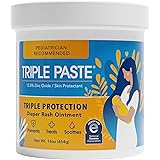
When changing diapers, thoroughly clean the area with mild, fragrance-free wipes or warm water and a soft cloth. Allow the skin to air dry completely before applying a thick layer of barrier cream containing zinc oxide or petrolatum. These creams create a protective layer, shielding the skin from moisture and irritants and promoting healing for effective **baby skincare**.
Managing Eczema and Dry Skin
Baby eczema, also known as atopic dermatitis, manifests as red, itchy, and sometimes scaly patches of skin. This condition often runs in families and can be triggered by various factors, including environmental allergens or harsh cleansers. Gentle care is paramount for managing these sensitive areas.
For dry skin and eczema, consistent moisturizing with emollients is crucial. Apply thick creams or oint multiple times a day, especially after baths, to keep the skin hydrated and support its barrier function. Consult a pediatrician or dermatologist for personalized advice and prescription treatments if the condition persists or worsens. Using appropriate **Sebamed baby products**, known for their pH 5.5 formulations, can greatly assist in managing such conditions.
Tiny Skin, Big Questions: Your Sebamed Baby Skincare Q&A
Why is a baby’s skin different from an adult’s?
A baby’s skin is roughly 30% thinner and more permeable than an adult’s, making it very delicate and vulnerable to environmental factors. Its protective barrier is still developing, which increases its sensitivity to irritants and infections.
What is the importance of pH balance in baby skincare products?
Healthy baby skin naturally has a slightly acidic pH of about 5.5, which forms a protective ‘acid mantle’ against harmful bacteria and irritants. Using products with an imbalanced pH can disrupt this vital barrier, leading to dryness and discomfort.
How often should I bathe my newborn baby?
Experts suggest limiting full baths for newborns to 2-3 times per week to avoid drying out their delicate skin. Always use lukewarm water and a mild, tear-free, pH-balanced baby wash.
What should I do if my baby develops a diaper rash?
To manage diaper rash, change diapers frequently, clean the area gently with mild wipes or water, and allow the skin to air dry completely. Then, apply a thick layer of a barrier cream containing zinc oxide or petrolatum to protect the skin.