Understanding the Nuances of Baby Health and Hygiene: A Comprehensive Guide for Parents
As thoughtfully highlighted in the accompanying video, the approach to infant care demands a specialized understanding, particularly concerning baby health and hygiene. It is widely acknowledged that the delicate physiology of a newborn necessitates a departure from the grooming and cleaning regimens typically employed for adults. The pervasive challenge for many parents involves discerning which products and practices genuinely serve an infant’s best interests, ensuring both protection against environmental pathogens and the preservation of their nascent skin barrier. This discussion aims to elucidate the critical differences in product formulation and hygiene protocols, thereby offering a robust framework for safeguarding your child’s well-being.
The Imperative Distinction: Why Adult Products are Unsuitable for Infants
The skin of a newborn, being significantly thinner and more permeable than that of an adult, is highly susceptible to external aggressors. Its immature barrier function means it possesses a reduced capacity to retain moisture and defend against irritants or allergens. Consequently, detergents and personal hygiene products formulated for adults often contain harsher chemicals, stronger fragrances, and potent dyes that can strip essential oils, disrupt the skin’s natural pH balance, and precipitate adverse dermatological reactions such as rashes, dryness, or allergic contact dermatitis. Such formulations are simply not engineered with the fragile infant ecosystem in mind.
Moreover, the detoxification pathways in infants are not fully developed, meaning their bodies are less efficient at processing and eliminating certain chemicals absorbed through the skin. This physiological immaturity renders infants particularly vulnerable to systemic absorption of substances that would merely cause superficial irritation in an adult. Therefore, an informed choice regarding all products that come into contact with a baby’s skin or environment is not merely preferential but medically advisable, underscoring the critical need for formulations explicitly designed for pediatric use.
The Essence of a Gentle Touch: Protecting Sensitive Baby Skin
The phrase “gentle touch” transcends mere physical contact; it encapsulates the entire philosophy behind infant skincare. Baby skin, characterized by its reduced ceramide content and underdeveloped sweat and sebaceous glands, is prone to dryness and sensitivity. Products selected for a baby’s routine must, therefore, be hypoallergenic, fragrance-free, dye-free, and pH-neutral to avoid compromising this delicate epidermal layer. The focus is always on supporting the skin’s natural barrier function rather than impeding it.
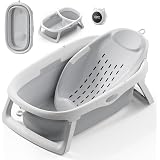
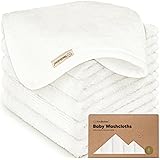
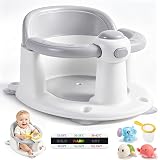
When considering bathing, for instance, short, lukewarm baths are recommended, utilizing a mild, tear-free cleanser. Excessive bathing can lead to skin dryness, removing the natural protective oils. Post-bath, gentle patting dry, rather than vigorous rubbing, is advised, followed by the application of a pediatrician-recommended emollient or moisturizer to lock in hydration. These practices collectively ensure that the “gentle touch” extends beyond a product’s label to the very application methodology, fostering healthy skin development from the earliest stages of life.
Effective Germ Protection: Being Tough on Microbes, Not on Baby
While a gentle approach to skin care is paramount, effective germ protection forms the other cornerstone of robust baby health and hygiene. Infants are continuously developing their immune systems, rendering them more vulnerable to infections. However, the strategy for combating microbes must not compromise the integrity of their sensitive skin or expose them to harsh disinfectants that might do more harm than good. A balanced approach is consistently advocated.
For environmental hygiene, regular cleaning of surfaces with mild, non-toxic cleaners is generally sufficient. Areas frequently touched by the baby, such as changing tables, play mats, and toys, warrant particular attention. For laundry, specialized baby detergents are formulated to be tough on common infant stains and germs while rinsing clean without leaving irritating residues. These detergents are typically free from optical brighteners, strong perfumes, and dyes, which are known irritants for sensitive skin, ensuring that even laundered fabrics contribute positively to infant comfort and health.
Critical Considerations for Choosing Baby Products and Maintaining Infant Health
Navigating the plethora of baby products available requires an informed perspective. Parents are often advised to prioritize products that have undergone rigorous testing and are endorsed by dermatologists or pediatricians for infant use. Terms such as “hypoallergenic,” “dermatologist-tested,” and “pediatrician-recommended” are valuable indicators, though vigilant ingredient scrutiny remains essential.
When it comes to detergents, for example, formulations containing plant-derived cleaning agents are often preferred, as these are typically gentler yet effective in removing common infant soiling and mitigating bacterial growth on fabrics. The overall objective is to select items that minimize exposure to potential irritants and allergens while effectively contributing to comprehensive baby health and hygiene. The careful selection of every item, from bath wash to laundry detergent, directly impacts the long-term well-being and comfort of the infant.
Understanding Mild Formulations and Their Role in Newborn Hygiene
The concept of a “mild formulation” for infant products is underpinned by specific scientific principles. It refers to products where the pH is carefully balanced to match the natural slightly acidic pH of a baby’s skin, typically around 5.5. This helps to maintain the skin’s acid mantle, a crucial protective layer. Moreover, these formulations often incorporate emollients and humectants, such as glycerin or ceramides, which help to prevent moisture loss and reinforce the skin barrier.
Ingredient lists should ideally be concise and transparent, avoiding common irritants like sulfates (e.g., Sodium Lauryl Sulfate), phthalates, parabens, and synthetic dyes. The absence of strong scents, even those derived from natural essential oils, is frequently recommended for newborns, as fragrances are a common source of allergic reactions. Therefore, a product’s mildness is not merely a marketing claim but a reflection of its meticulous design to support optimal newborn hygiene without adverse effects.
Addressing Common Baby Skin Issues Through Proper Care
Many common dermatological issues in infants, such as diaper rash, cradle cap, and eczema, can be significantly mitigated or prevented through diligent and appropriate hygiene practices. Diaper rash, for instance, is frequently managed by frequent diaper changes, gentle cleansing with water or a mild wipe, and the application of a protective barrier cream. The chosen products in these instances must be gentle enough not to exacerbate existing irritation yet effective in providing relief and protection.
Similarly, for conditions like infantile eczema, maintaining skin hydration with specialized moisturizers and using ultra-gentle, fragrance-free cleansers is paramount. The long-term maintenance of robust baby health and hygiene protocols, tailored to these specific needs, plays a critical role in preventing recurrent flare-ups and promoting healthy skin development, thereby contributing significantly to the overall comfort and well-being of the child.
Got Questions About Your Little Angel’s Health & Hygiene?
Why shouldn’t I use adult products on my baby?
A baby’s skin is much thinner and more sensitive than an adult’s, making it vulnerable to harsh chemicals, strong fragrances, and dyes found in adult products. These can cause irritation, dryness, or allergic reactions.
What kind of characteristics should I look for in baby care products?
Look for products that are hypoallergenic, fragrance-free, dye-free, and pH-neutral to protect your baby’s delicate skin. They should also ideally be free from harsh chemicals like sulfates, phthalates, and parabens.
What is the best way to bathe my baby?
Use short, lukewarm baths with a mild, tear-free cleanser to avoid skin dryness. Afterwards, gently pat your baby dry and apply a pediatrician-recommended moisturizer to lock in hydration.
How can I protect my baby from germs without using harsh chemicals?
For environmental hygiene, use mild, non-toxic cleaners on surfaces, especially those your baby frequently touches. For laundry, choose specialized baby detergents that are tough on germs but gentle on sensitive skin.