The journey into parenthood, especially for first-timers, often feels like embarking on a grand expedition without a complete map. I remember standing in countless baby aisles, utterly overwhelmed by the sheer volume of choices, wondering which of these myriad baby items were truly essential and which were merely enticing additions. While the delightful video above provides an excellent primer on identifying basic baby gadgets, understanding their deeper utility and critical selection criteria transforms a daunting task into a confident, informed process. This guide aims to expand upon that foundational knowledge, offering expert insights into preparing your home for your little one.
Establishing the Ultimate Feeding Sanctuary: Essential Baby Products
Nourishing your infant is paramount, requiring careful attention to hygiene and appropriate tools. Feeding essentials form the bedrock of your newborn care arsenal, ensuring both sustenance and safety for your child.
Selecting the Optimal Baby Bottle
The video correctly identifies the baby bottle as a primary feeding tool, yet its significance extends far beyond mere liquid containment. Selecting bottles involves considering nipple flow rates, anti-colic features, and material composition, such as BPA-free plastic or glass, to prevent potential ingestions of harmful chemicals. Sterilization protocols, whether through boiling, steam sterilizers, or UV-based systems, remain critical for eliminating bacteria and maintaining infant health.
The Indispensable Baby Bib and Feeding Utensils
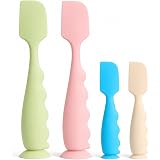
While the baby bib is presented as a protector against mealtime messes, its role evolves significantly as your child grows, ranging from simple drool catchers to full-coverage weaning bibs designed for messy solids. Similarly, the baby feeding spoon and baby katori (bowl) must feature soft, rounded edges to protect delicate gums, alongside ergonomic handles that facilitate easy self-feeding as motor skills develop. Prioritizing food-grade silicone or bamboo options ensures durability and safety for every meal.
Mastering Infant Hygiene: Essential Changing and Bathing Gear
Maintaining a hygienic environment for your infant directly impacts their comfort and prevents common skin irritations. Consequently, a well-equipped changing station and thoughtful bathing routine become non-negotiable aspects of infant care.
Diapering Decisions: Diapers, Wipes, and Potty Training Aids
The ubiquity of the baby diaper underscores its critical function in keeping infants dry, though the choice between disposable and cloth diapers involves weighing environmental impact against convenience and cost. Regular diaper changes, ideally every two to three hours or immediately after soiling, prevent painful diaper rash, which is a common concern for new parents. Baby wipes, often used in tandem with diapers, should be hypoallergenic and alcohol-free to protect sensitive skin; however, a gentle washcloth with warm water can serve as an even milder alternative, especially for very young infants. As children approach toddlerhood, the baby potty seat introduces structured training, facilitating a smoother transition away from diapers by providing a secure and appropriately sized toilet experience.
The Art of Bath Time: Bath Tubs, Shampoo, Soap, and Grooming Tools
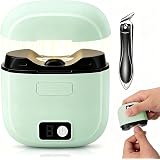
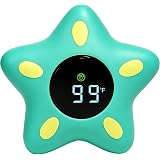
Introducing your infant to bath time with a dedicated baby bath tub provides a secure and comfortable environment for cleansing, drastically reducing parental strain. While standard tubs are adequate, those with built-in ergonomic supports offer superior safety for slippery infants. Baby shampoo and baby soap are formulated to be tear-free and pH-balanced, preserving the skin’s natural barrier without causing irritation. Following the bath, a soft baby towel quickly absorbs moisture, preventing chilling. Regular grooming with a soft-bristled baby kanghi (comb) prevents cradle cap buildup, while a specialized baby nail clipper, often with rounded tips or magnifying features, allows for safe trimming of rapidly growing, sharp nails, preventing scratches. These grooming baby items are vital for both hygiene and safety.
Cultivating Comfort and Peaceful Slumber: Sleep and Soothing Solutions
A well-rested baby generally equates to a happier household, making investments in comfort and sleep solutions particularly valuable. Creating a safe sleep environment remains a top priority for all caregivers.
Pacifiers, Palnas, and Blankets: Guardians of Infant Serenity
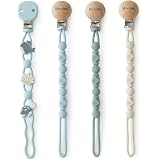
The baby pacifier serves as an effective soothing mechanism, particularly beneficial during moments of distress or for promoting self-settling; however, introducing it strategically after breastfeeding is established prevents nipple confusion. Ensuring the pacifier is regularly sterilized and free from damage prevents choking hazards. The baby palna, or crib, represents the centerpiece of the sleep environment, and adherence to stringent safety standards for crib construction, mattress firmness, and slat spacing is non-negotiable. Soft baby kambal (blankets) provide warmth; nevertheless, for newborns, swaddling blankets or sleep sacks are often safer alternatives to loose bedding, mitigating the risk of suffocation and maintaining a consistent sleep temperature. These baby essentials significantly contribute to a baby’s well-being.
Navigating the World: Mobility Solutions for Active Families
Modern parenting often involves movement, making robust and practical mobility solutions indispensable for family outings and daily routines. Choosing the right gear can significantly impact convenience and accessibility.
The Practicality of Baby Strollers and Carriers
A baby stroller facilitates effortless transport, yet the diversity of models—from lightweight umbrella strollers to robust travel systems—demands careful consideration of lifestyle needs and terrain. Features such as adjustable recline, robust suspension, and compact folding mechanisms enhance both comfort and usability. In contrast, the baby carrier fosters closer physical bonding, keeping the infant secure and near the parent while offering hands-free convenience. Ergonomic carriers, designed to support healthy hip development (M-positioning) and even weight distribution for the wearer, are highly recommended over cheaper, less supportive alternatives, ensuring comfort for both parent and child during extended periods.
Fostering Early Development: Playtime and Teething Aids
Beyond basic needs, stimulating an infant’s developing senses and providing safe outlets for exploration supports crucial cognitive and physical growth. Thoughtfully selected toys contribute significantly to this developmental process.
Engaging with Baby Rattles and Teethers
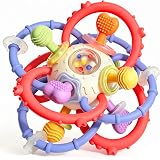
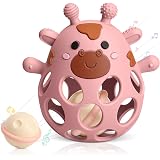
The simple baby rattle, mentioned in the video, acts as an early sensory stimulator, introducing concepts of cause and effect through sound and movement. Choosing rattles with varied textures and easy-to-grasp designs supports fine motor skill development. Concurrently, baby teethers provide much-needed relief during the often-uncomfortable teething phase, redirecting chewing instincts away from unsafe objects. Teethers should be free of BPA, PVC, and phthalates, and designed for easy cleaning, often capable of being chilled to provide extra soothing. While their primary function is comfort, these toys also encourage oral exploration and hand-eye coordination, making them valuable baby items for developmental support.
Q&A: Decoding Baby Gadgets & Their Names
What should I look for when choosing a baby bottle?
When choosing a baby bottle, consider features like nipple flow rates, anti-colic designs, and safe materials such as BPA-free plastic or glass. It’s also important to sterilize bottles regularly to eliminate bacteria.
How often should I change my baby’s diaper?
You should change your baby’s diaper regularly, ideally every two to three hours or immediately after it becomes soiled. This helps prevent painful diaper rash.
What are some important items for baby bath time?
Essential bath time items include a dedicated baby bathtub for a secure and comfortable cleansing, and tear-free, pH-balanced baby shampoo and soap. Following the bath, a soft baby towel is needed for drying, and grooming tools like a soft comb and specialized baby nail clippers are useful for hygiene and safety.
What are safe options for keeping my newborn warm during sleep?
For newborns, swaddling blankets or sleep sacks are safer alternatives to loose bedding, as they mitigate the risk of suffocation. These options also help maintain a consistent sleep temperature for your baby.
What are baby rattles and teethers used for?
Baby rattles act as early sensory stimulators, helping infants learn cause and effect through sound and movement. Baby teethers provide much-needed relief for sore gums during the often-uncomfortable teething phase.