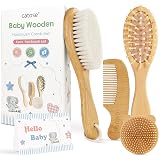
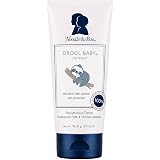
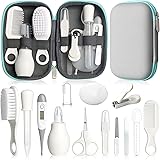
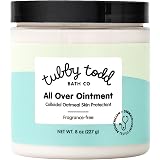
The precious early years of a baby’s life demand a level of care and attention that transcends conventional approaches. As highlighted in the accompanying video, not all products lining supermarket shelves are formulated with your little one’s delicate needs in mind. For instance, adult detergents and common hygiene products often contain ingredients that can be overly harsh for sensitive baby skin. This crucial distinction underscores the imperative for parents to meticulously select natural baby health and hygiene products specifically designed for infants. The delicate nature of a baby’s skin and developing immune system necessitates a gentle yet effective approach to daily care.
Indeed, the choice of health and hygiene items directly impacts a baby’s comfort, skin integrity, and overall well-being. Adult formulations are typically engineered for mature skin and robust systems, often incorporating potent chemicals or strong fragrances. These substances, while generally safe for grown-ups, can provoke irritation, allergic reactions, or dryness in infants. Therefore, a discerning selection process is warranted when considering products for your child. Opting for items with natural ingredients becomes a proactive step in safeguarding a baby’s health from potential environmental stressors.
Why Gentle Care Matters: Understanding Baby Skin
A baby’s skin is remarkably different from an adult’s, presenting unique vulnerabilities that require specialized care. It is estimated to be up to 30% thinner than adult skin, making it considerably more permeable and susceptible to external factors. This increased permeability means that anything applied to a baby’s skin can be absorbed more readily into their bloodstream. Consequently, harsh chemicals or irritants found in standard products pose a greater risk of systemic exposure and adverse reactions. The skin’s natural protective barrier, known as the stratum corneum, is also still developing in infants, rendering it less effective at fending off pathogens and maintaining hydration. Furthermore, a baby’s skin pH is typically closer to neutral at birth, which gradually becomes more acidic over the first few months. Disrupting this delicate balance with inappropriate products can lead to conditions like dryness, eczema, or contact dermatitis. Protecting this developing barrier function is paramount for a baby’s comfort and long-term skin health.
The Risks of Conventional Adult Products for Infants
The everyday items we use without a second thought can actually be detrimental to an infant’s fragile system. For instance, many adult detergents contain strong surfactants, optical brighteners, and synthetic fragrances that are powerful enough to strip natural oils from baby skin. These ingredients are designed for robust cleaning and scenting, not for the subtle needs of newborn fabric and skin. Furthermore, adult hygiene products such as shampoos, soaps, and lotions frequently include parabens, phthalates, and formaldehyde-releasing preservatives. Studies have raised concerns about the potential endocrine-disrupting effects of certain phthalates and parabens, especially in vulnerable populations like infants whose hormonal systems are still maturing. Even seemingly innocuous elements like dyes and strong perfumes can trigger allergic reactions or respiratory issues in babies due to their underdeveloped immune and respiratory systems. Carefully selecting baby health and hygiene products free from these problematic compounds is a crucial decision for parents.
The Power of Natural Ingredients in Baby Products
The emphasis on natural ingredients for baby care is not merely a trend but a response to scientific understanding of infant physiology. Natural components are typically gentler, less allergenic, and more compatible with delicate skin. For example, plant-based oils like coconut oil or sunflower oil are rich in fatty acids and vitamins, providing excellent moisturization without clogging pores. Shea butter, celebrated for its emollient properties, can soothe irritated skin and enhance the skin’s barrier function. Calendula and chamomile extracts are widely recognized for their anti-inflammatory and calming effects, making them ideal for reducing redness and discomfort. These naturally derived ingredients support the skin’s health by nourishing it gently, rather than by introducing synthetic chemicals that might disrupt its natural balance. Opting for natural baby health and hygiene products represents a conscious choice towards nurturing an infant’s well-being with nature’s best.
Effective Germ Protection without Harshness
Maintaining a germ-free environment for babies is undeniably important, yet this objective must be achieved without resorting to harsh chemical agents. Babies are constantly exploring their surroundings, often putting objects (and hands) into their mouths, making effective hygiene a daily necessity. However, products loaded with aggressive disinfectants or antibacterial chemicals can upset the skin’s natural microbiome and potentially contribute to antibiotic resistance over time. Instead, the focus should be on gentle yet thorough cleansing. Mild, pH-balanced baby washes containing natural cleansers can effectively remove dirt and germs without stripping the skin’s protective barrier. Simple, consistent handwashing with baby-safe soaps is often more effective and safer than relying on alcohol-based sanitizers for routine use. Furthermore, ensuring that baby laundry detergents are free from irritating residues can significantly reduce skin exposure to potential allergens. This balanced approach prioritizes both cleanliness and the long-term health of the baby’s skin and immune system.
Essential Natural Baby Health and Hygiene Products to Consider
Building a robust baby care routine involves carefully selecting a range of products that cater to different aspects of hygiene and skin protection. For daily bathing, a tear-free, sulfate-free baby wash with natural moisturizing agents like aloe vera or oatmeal extract is ideal. Following the bath, a hypoallergenic baby lotion or cream, enriched with ingredients such as calendula or chamomile, helps to lock in moisture and soothe the skin. Diaper changes require a gentle yet effective diaper rash cream, preferably one containing zinc oxide and natural emollients to create a protective barrier. For laundry, specially formulated natural baby health and hygiene products are available, designed to be free from dyes, phosphates, and strong perfumes, ensuring clothes are soft and residue-free. Even items like baby wipes should be chosen for their natural, biodegradable fibers and mild, alcohol-free formulations. Each product plays a vital role in protecting your baby from common irritants and ensuring their comfort and health.
Making Informed Choices for Your Child’s Future
Parents are increasingly empowered to make informed decisions about the products they use for their children, driven by a growing awareness of ingredient safety. Prioritizing products that are dermatologically tested, hypoallergenic, and free from known irritants like parabens, phthalates, and artificial fragrances is a crucial step. Many reputable brands now prominently feature certifications or seals that attest to their natural and safe formulations, offering peace of mind to caregivers. Consulting with pediatricians about specific skin concerns or product recommendations can also provide invaluable guidance. Furthermore, reading ingredient labels carefully becomes a critical skill for any parent navigating the vast market of baby care items. Ultimately, the decision to choose natural baby health and hygiene products is an investment in your child’s immediate comfort and their long-term health and well-being, fostering a gentle start to life. This commitment reflects a deep understanding of the unique needs of an infant’s developing body and skin.
Nurturing Your Little Angel Naturally: Q&A
Why should parents choose natural products for their babies?
Baby skin is very delicate and sensitive, making it vulnerable to harsh ingredients found in many adult products. Natural baby products are specifically formulated to be gentle and safe for their developing skin and immune systems.
How is a baby’s skin different from an adult’s?
A baby’s skin is much thinner and more permeable, meaning it absorbs things more easily. Its natural protective barrier is also still developing, making it more susceptible to external factors.
What kind of ingredients should I avoid in baby products?
It’s best to avoid harsh chemicals, strong fragrances, dyes, parabens, phthalates, and formaldehyde-releasing preservatives. These can cause irritation or other adverse reactions in infants.
What are some common natural ingredients beneficial for baby skin?
Look for ingredients like plant-based oils (e.g., coconut, sunflower), shea butter, calendula, chamomile extracts, aloe vera, and oatmeal extract. These provide gentle moisturization and soothing properties without harsh chemicals.