The delicate nature of a baby’s skin is a common concern for new parents and caregivers. Its fragility can lead to various skin issues, causing discomfort for the little ones and worry for their guardians. Addressing these concerns effectively requires a thoughtful approach to daily skincare, ensuring that only the gentlest products are applied. As observed in the accompanying ASMR video, the use of products specifically formulated for newborns, such as Cetaphil Baby, is often demonstrated with care and precision, highlighting the importance of a soothing and protective routine.
When selecting skincare products for infants, careful consideration must be given to their unique epidermal structure. A baby’s skin barrier is still developing, making it significantly thinner and more permeable than adult skin. Consequently, it is more susceptible to dryness, irritation, and the absorption of harsh chemicals. Therefore, choosing products that are hypoallergenic, fragrance-free, and pediatrician-recommended is paramount to maintaining the health and comfort of their sensitive skin.
Understanding Your Baby’s Delicate Skin Barrier
The outermost layer of a baby’s skin, known as the stratum corneum, serves as a crucial protective barrier. Unlike adults, this layer in infants is less developed and contains fewer natural moisturizing factors. This diminished capacity for moisture retention makes baby skin prone to dehydration, much like a freshly painted wall that hasn’t fully cured; it’s more vulnerable to external elements. Furthermore, the skin’s pH balance is generally higher in newborns, which can affect its ability to defend against environmental stressors and potential irritants.
A compromised skin barrier can manifest in several ways. Dry patches, redness, and flakiness are often indicators that the skin is struggling to retain moisture. In some instances, these issues can escalate into more severe conditions such as eczema or atopic dermatitis, characterized by persistent itching and inflamed skin. It is understood that proper hydration and gentle care are fundamental in supporting the maturation and integrity of this vital protective layer.
Common Sensitive Skin Concerns in Infants
Babies frequently experience a range of skin conditions due to their developing skin. One of the most prevalent issues is general dryness, often exacerbated by environmental factors or insufficient moisturization. This can lead to rough patches, particularly on the cheeks and limbs, which are more exposed. Parents often seek out solutions for their baby’s sensitive skin.
Diaper rash is another common complaint, resulting from prolonged exposure to wetness, friction, and certain irritants in urine and feces. It is characterized by redness and tenderness in the diaper area. Additionally, cradle cap, a form of seborrheic dermatitis, presents as greasy, scaly patches on the scalp. These conditions, while often benign, necessitate gentle and targeted care to alleviate discomfort and prevent progression.
Addressing Eczema and Dry Skin
Eczema, also known as atopic dermatitis, is a chronic inflammatory skin condition that is frequently observed in infants. It typically appears as red, itchy, and sometimes weeping patches, often on the face, scalp, and joints. The intense itch associated with eczema can disrupt a baby’s sleep and overall well-being. Therefore, a consistent skincare routine focused on hydration and barrier repair is essential.
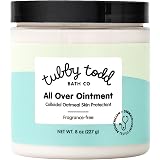
For babies with eczema or persistent dryness, specialized moisturizers are often recommended. These products are formulated to replenish the skin’s lipid barrier and reduce water loss. Application immediately after bathing is often advised, as this helps to seal in moisture while the skin is still damp. Furthermore, avoiding known triggers, such as harsh soaps or synthetic fragrances, is a critical step in managing these sensitive skin conditions.
The Cetaphil Baby Difference: Gentle Formulations for Sensitive Skin
When searching for products tailored to baby’s sensitive skin, particular attention is given to ingredient lists and dermatological recommendations. Cetaphil Baby products are widely recognized for their commitment to gentle formulations. They are typically developed in collaboration with dermatologists and pediatricians, ensuring suitability for the most delicate skin types.
These formulations often emphasize ingredients known for their soothing and moisturizing properties, while meticulously excluding common irritants. The range typically includes items such as gentle washes, moisturizing lotions, and protective creams. Consequently, parents can feel more confident that their baby’s skin is being cared for with products designed to be both effective and supremely mild.
Key Ingredients to Look for (and Avoid)
Navigating the array of baby skincare products can be challenging; however, understanding key ingredients simplifies the selection process. Beneficial components often include nourishing emollients like shea butter or sunflower seed oil, which help to soften and smooth the skin. Glycerin is another excellent humectant, drawing moisture into the skin like a sponge and locking it in.
Conversely, certain ingredients should be avoided due to their potential to irritate a baby’s developing skin. Harsh sulfates, parabens, phthalates, and synthetic dyes and fragrances are commonly identified as potential sensitizers. The absence of these components in products such as Cetaphil Baby signifies a commitment to hypoallergenic formulations, which are less likely to provoke allergic reactions or irritation in sensitive skin.
Establishing a Gentle Baby Skincare Routine
A consistent and gentle skincare routine plays a pivotal role in nurturing a baby’s sensitive skin. It is not merely about using the right products, but also about the manner in which they are applied and the frequency of use. A well-established routine provides a protective shield against environmental challenges, contributing significantly to a baby’s overall comfort and health.
This routine typically begins with a mild cleansing process. Bathing, while important for hygiene, should not be overly frequent or prolonged, as excessive exposure to water can strip the skin of its natural oils. Lukewarm water and a gentle, tear-free baby wash are ideal. Following the bath, immediate and thorough moisturization is crucial, applied with soft, circular motions to ensure absorption without harsh rubbing. Consistent care helps fortify the baby’s sensitive skin.
Bathing and Moisturizing Best Practices
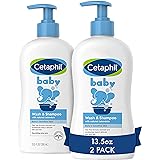
Bathing a newborn is a delicate operation, requiring a gentle touch and appropriate products. It is recommended that baths are kept brief, typically lasting no longer than 5-10 minutes, to prevent excessive drying of the skin. The water temperature should be comfortably warm, rather than hot, and a soft washcloth is used to cleanse the baby without scrubbing. A mild, pH-balanced cleanser, like Cetaphil Baby Wash, is ideal to minimize irritation.
Following the bath, the baby’s skin should be gently patted dry with a soft towel, rather than rubbed, leaving it slightly damp. This slight dampness creates an optimal surface for moisturizer application. A rich, emollient lotion or cream, such as Cetaphil Baby Daily Lotion, should be applied generously within minutes of exiting the bath. This helps to lock in moisture, akin to placing a lid on a pot to keep steam from escaping, thereby supporting the skin’s natural barrier functions and providing lasting relief for baby’s sensitive skin.
Whispers of Wisdom: Your Cetaphil Baby & Sensitive Skin Q&A
Why is a baby’s skin so sensitive?
A baby’s skin barrier is still developing, making it thinner and more permeable than adult skin. This means it can lose moisture easily and is more susceptible to irritation.
What are some common sensitive skin issues babies might have?
Common issues include general dryness, diaper rash, and cradle cap on the scalp. Some babies may also develop eczema, which causes itchy, red patches.
What ingredients should I look for and avoid in baby skincare products?
Look for hypoallergenic, fragrance-free, and pediatrician-recommended products with emollients like shea butter or glycerin. Avoid harsh sulfates, parabens, phthalates, and synthetic dyes or fragrances.
What’s a good basic daily skincare routine for a baby?
Keep baths brief (5-10 minutes) using lukewarm water and a mild cleanser. Gently pat your baby dry, then apply a rich moisturizer immediately after bathing to lock in moisture.