The arrival of a new baby is often described as a whirlwind of joy, yet it can also be accompanied by a flurry of questions, particularly regarding their delicate care. Many new parents find themselves navigating aisles filled with countless baby products, wondering which items are truly essential for keeping their little one clean, comfortable, and healthy. Fortunately, establishing a simple and effective routine for baby bath and grooming essentials does not have to be an overwhelming task. This comprehensive guide, complementing the valuable insights shared in the video above, is designed to demystify the process and highlight the must-have products for newborn hygiene.
From the first sponge bath to regular grooming, each step contributes not only to cleanliness but also to precious bonding moments. Our focus here will be on practicality and safety, ensuring that every product chosen serves a specific purpose in your baby’s routine. By understanding the function of each item and how to use it correctly, confidence in caring for your newborn will naturally grow. Let us explore the fundamental tools needed to maintain your baby’s pristine condition, making bath and grooming a cherished part of your day.
Essential Preparations for Baby Bath Time
Before any item touches your baby’s sensitive skin, a crucial preliminary step must be observed: proper washing. It is recommended that all towels, washcloths, and clothing be laundered in a baby-safe detergent. Products such as Ivory Snow or Dreft are specifically formulated to be gentle, minimizing the risk of skin irritation or allergic reactions in newborns. This practice ensures that even the softest fabrics are free from harsh chemicals or residues that could harm delicate skin, setting a safe foundation for baby hygiene.
The preparation extends beyond just laundry; having all your supplies neatly organized and within arm’s reach before bath time begins is paramount. This prevents the need to step away from your baby, which is a key safety measure. Think of it like preparing a chef’s station, where every ingredient is prepped and ready for seamless execution. A well-organized bathing station contributes to a calm and efficient experience for both parent and child, fostering a sense of security and enjoyment.
Must-Have Baby Bath and Grooming Essentials
1. Softness and Warmth: Hooded Towels and Washcloths
Wrapping your newborn in warmth immediately after a bath is crucial for preventing chills. Hooded towels are considered indispensable for this purpose, as they are specifically designed to envelop the baby’s head, which loses heat most rapidly. The soft, absorbent material not only dries effectively but also provides a comforting embrace, akin to a gentle cloud. Obtaining two of these lovely items ensures one is always clean and ready for use, making post-bath snuggles all the more enjoyable.
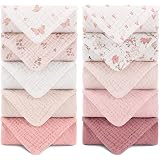
Similarly, soft washcloths are vital for gentle cleansing during bath time. Unlike adult washcloths, those designed for babies are typically smaller and made from exceptionally soft fabrics like cotton or bamboo. A washcloth mitt can also be a helpful tool, making it easier to hold onto during bath time. Having at least four soft washcloths on hand allows for proper rotation and ensures hygiene, as they can quickly become soiled with daily use. These tiny cleansing tools are invaluable for tenderly washing delicate areas.
2. Gentle Cleansing Solutions for Newborn Skin
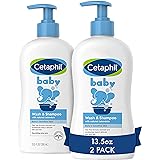
When it comes to washing your baby, the choice of cleanser is incredibly important. A very mild, gentle, and liquid cleanser is always recommended. These products are formulated to be tear-free and pH-neutral, preventing any irritation to the eyes or skin. Brands often offer specific “newborn” or “sensitive skin” options that are free from dyes, parabens, and phthalates, which are known irritants. Selecting a product that acts like a soft whisper on their skin, rather than a harsh scrub, is key.
These specialized washes help maintain the integrity of your baby’s developing skin barrier, which is much thinner and more permeable than adult skin. While some parents prefer to use only water for the first few weeks, a gentle baby wash can be introduced once the umbilical cord stump has healed. Always conduct a patch test if there are concerns about sensitivity, applying a small amount to an area like the inner thigh before full use. This cautious approach ensures that only the kindest ingredients meet your baby’s delicate surface.
3. Safe and Practical Infant Bathtubs
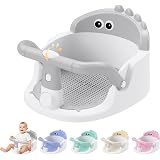
Initially, a full submersion bath is not recommended for newborns; a sponge bath is advised until the umbilical cord stump has fully healed, usually within the first few weeks. This period is a delicate time, and gentle cleaning with a washcloth is sufficient. Once your baby is ready for a tub bath, a plastic baby tub with an insert becomes an invaluable resource. These tubs are designed with safety and comfort in mind, often featuring contours that support a newborn, preventing slips and allowing parents to use both hands.
Infant bathtubs offer a dedicated space for bathing, eliminating the need to use a large, potentially slippery adult tub. Many models are compact and can even be stored under a crib, a practical solution for homes with limited space. As the baby grows, the insert can be removed, transforming the tub into a deeper basin suitable for a slightly older infant. This adaptability makes a single infant tub a worthwhile investment, serving through several stages of your baby’s early development. It is like a secure little pond where your baby can splash and learn to love water.
4. Grooming Essentials for Delicate Features
Beyond bathing, a range of grooming tools is necessary to keep your baby looking and feeling their best. These items, though small, play a significant role in overall hygiene and comfort.
a. Gentle Hair Care: Brushes and Combs
Even if your baby has little to no hair, a gentle baby hairbrush can be a delightful tool. Brushing a baby’s scalp can be a soothing experience, promoting relaxation and even stimulating circulation, much like a gentle head massage. These brushes often feature soft bristles, commonly made from natural goat hair, designed not to scratch or irritate the sensitive scalp. Using an adult brush or comb is not advisable, as their bristles are too stiff and can be harsh on a baby’s delicate skin. Furthermore, regular, gentle brushing can help in preventing and managing cradle cap, a common condition where flaky patches appear on a baby’s scalp.
b. Navigating Nail Care: Clippers, Scissors, and Files
Cutting a baby’s tiny nails can be one of the most intimidating tasks for new parents due to their minuscule size and softness. However, keeping nails trimmed is crucial to prevent babies from scratching themselves or others. There are primarily two types of tools designed for infant nail care: small clippers with rounded edges and rounded-tip baby scissors. Many parents find the clippers easier to manage, offering a more controlled snip. Baby nail files are also incredibly useful for smoothing any sharp edges left after clipping or for gentle shaping without the risk of cutting. It is often recommended that these tasks be performed when the baby is asleep or very calm, as their hands are less likely to move suddenly, making the process safer and less stressful for everyone involved. Think of it as delicately pruning a tiny rosebud, requiring precision and care to prevent harm.
5. Health Monitoring: Thermometers and Nasal Care
Maintaining a baby’s health extends beyond basic cleanliness to include monitoring for illness and managing common discomforts.
a. Temperature Check: The Essential Thermometer
A thermometer is an absolute essential for every nursery. When your baby is an infant, a digital rectal thermometer is considered the gold standard for accuracy. While the thought of using one might seem daunting, it provides the most precise reading, which is critical for diagnosing fevers in very young babies. Always ensure it is cleaned thoroughly before and after use. For older infants and toddlers, an ear thermometer can be a convenient alternative, though it is often more expensive and requires disposable covers for hygiene. Forehead thermometers are also available and can provide a quick, non-invasive reading, but may not be as accurate as a rectal thermometer for newborns. Having one reliable thermometer on hand means you are always prepared to monitor your baby’s health condition.
b. Clearing Congestion: Nasal Aspirators and Saline Drops
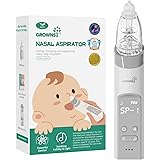
Babies commonly experience nasal congestion, as they breathe primarily through their noses. A nasal aspirator, often humorously called a “booger sucker,” becomes an invaluable tool for clearing their tiny airways. These devices work by creating suction to gently remove mucus. To use, simply compress the bulb, gently insert the tip into your baby’s nostril, and then release the bulb to draw out the mucus. It is crucial to clean the aspirator thoroughly after each use to prevent bacteria buildup. For tougher congestion, saline nose drops, like Little Noses, can be used in conjunction with the aspirator. A few drops help to loosen and thin the mucus, making it easier to extract, much like softening hard ground before digging. Always consult your pediatrician before using any medication, including saline drops, to ensure it is appropriate for your baby’s age and condition.
c. Gentle Ear Cleaning: Baby Q-Tips
Baby Q-tips are specifically designed with a broader, more rounded tip that prevents insertion too deeply into the ear canal, safeguarding the eardrum. While it is generally advised against inserting anything into a baby’s ear canal, these Q-tips are safe for cleaning the outer folds and creases of the ear where wax and debris can accumulate. This delicate cleaning helps prevent irritation and keeps your baby feeling fresh. As with all baby care products, a doctor’s recommendation is always a wise consideration before use, ensuring the correct and safe application of these tools for your baby bath and grooming essentials.
6. The Power of Touch: Lotions and Baby Massage
After a warm bath, the application of a gentle baby lotion can be a truly special experience. Baby lotions are formulated to moisturize and protect their delicate skin, which can be prone to dryness. Look for lotions that are hypoallergenic, fragrance-free, and specifically designed for infants. Beyond the skin benefits, massaging your baby with lotion offers a wonderful opportunity for bonding. The physical touch and the soothing strokes can promote relaxation, aid in muscle development, and deepen the emotional connection between parent and child. It’s an intimate moment of connection, like a quiet conversation between hearts. This ritual becomes a cherished part of the daily routine, contributing to both physical well-being and emotional security.
Final Checklist: Your Baby’s Bath and Health Essentials
To summarize, equipping yourself with the right baby bath and grooming essentials is a foundational step in preparing for your newborn. The graphic presented in the video provides an excellent visual checklist of these crucial items:
- 2 Hooded Towels
- 4 Soft Washcloths
- Baby Wash
- Plastic Baby Tub
- Nail Clippers, Baby Files, Hair Brush
- Baby Lotions
- Thermometer – Rectal is Best
- Nasal Aspirator
- Saline Nose Drops
- Baby Q-Tips
Gathering these items before your baby’s arrival will help ensure a smoother transition into parenthood and empower you to provide the best possible care. This comprehensive guide, alongside the visual demonstration, is intended to instill confidence in managing your baby’s personal care needs. The journey of newborn bathing and grooming is filled with learning and love, and being well-prepared is truly the first step.
Suds and Solutions: Your Baby Bath & Grooming Q&A
What type of cleanser is best for my baby’s delicate skin?
You should use a very mild, gentle, and liquid baby cleanser. Look for tear-free and pH-neutral options designed for newborns or sensitive skin, free from dyes and parabens.
When can I start giving my baby a bath in a tub?
It’s best to give your newborn sponge baths until their umbilical cord stump has fully healed, which usually takes a few weeks. After that, you can transition to using a plastic baby tub.
Why do I need special hooded towels and washcloths for my baby?
Hooded towels are essential to keep your baby warm after a bath, especially their head which loses heat quickly. Baby washcloths are smaller and made from exceptionally soft fabrics for gentle cleansing of delicate skin.
What is the most accurate way to check my newborn’s temperature?
For newborns and infants, a digital rectal thermometer is considered the most accurate way to check their temperature. It provides the most precise reading, which is important for young babies.