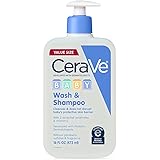
The commitment to infant well-being is a paramount concern for caregivers globally, a sentiment subtly echoed in the accompanying video discussing products featuring natural ingredients for baby health and hygiene. It is widely understood that the delicate nature of a baby’s skin and developing immune system necessitates a thoughtful approach to their daily care regimen. The selection of appropriate products, specifically those incorporating natural components, is consequently perceived as a cornerstone in establishing a robust foundation for optimal infant health.
The Foundation of Infant Well-being: Prioritizing Baby Health and Hygiene
The realm of baby health and hygiene encompasses a multitude of practices and product considerations, all designed to safeguard the infant from environmental stressors and promote healthy development. This extensive field is not merely about cleanliness; rather, it involves the careful maintenance of the baby’s skin barrier, the prevention of common irritations, and the protection against microbial threats. For generations, traditional remedies often involved plant-based extracts, a testament to the enduring belief in nature’s efficacy. Today, scientific advancements corroborate many of these historical practices, indicating that natural ingredients can indeed play a pivotal role in modern baby care formulations.
The Critical Role of Natural Ingredients in Baby Care
The preference for natural ingredients in baby care products is largely driven by a desire to minimize exposure to synthetic chemicals, which are often associated with potential sensitivities or adverse reactions. Baby skin, being significantly thinner and more permeable than adult skin, is particularly susceptible to external influences. Consequently, ingredients that are gentle, non-irritating, and free from harsh additives are deemed essential. Products formulated with natural components are typically characterized by their mildness and their inherent compatibility with the skin’s physiological balance. This approach is instrumental in supporting the skin’s natural protective functions rather than compromising them.
Understanding the Delicate Epidermal Barrier: Why Gentle Care is Paramount
The skin’s outermost layer, known as the epidermal barrier, acts as the primary defense against pathogens, allergens, and moisture loss. In infants, this barrier is still maturing and is therefore less robust than in adults. Aggressive cleansing agents or products containing irritants such as artificial fragrances, dyes, or parabens can disrupt this vital barrier, leading to dryness, redness, and conditions like eczema. Therefore, a gentle approach to baby health and hygiene, particularly through the use of naturally derived ingredients, is not merely a preference but an imperative for maintaining skin integrity and preventing common dermatological issues.
Key Natural Ingredients for Optimal Baby Health and Hygiene Products
A discerning selection of natural ingredients can significantly enhance the efficacy and safety profile of baby care products. These components are typically chosen for their known soothing, moisturizing, and protective properties, often backed by extensive research and historical use. The integration of such ingredients ensures that products are not only effective in their primary function but also contribute positively to the overall health of the baby’s skin.
Soothing Botanicals: Chamomile, Calendula, and Aloe Vera
Botanical extracts are frequently utilized for their anti-inflammatory and calming attributes. For instance, chamomile extract, renowned for its bisabolol content, is often incorporated into formulations designed for sensitive skin, assisting in the reduction of redness and irritation. Similarly, calendula officinalis, derived from the marigold flower, possesses notable wound-healing and skin-soothing properties, making it an excellent choice for preventing diaper rash and minor skin abrasions. Aloe vera, a succulent plant, is another powerhouse of hydration and soothing, frequently employed to alleviate dryness and discomfort, thus contributing significantly to comprehensive baby health and hygiene.
Nourishing Emollients: Shea Butter, Coconut Oil, and Oat Extracts
To support the skin’s lipid barrier and prevent moisture loss, emollients of natural origin are frequently employed. Shea butter, extracted from the nuts of the African shea tree, is a rich source of vitamins A, E, and F, providing intense moisturization and promoting skin elasticity. Virgin coconut oil is valued for its fatty acid profile, including lauric acid, which possesses both moisturizing and antimicrobial properties, beneficial for delicate infant skin. Colloidal oat extracts have long been recognized for their ability to form a protective barrier on the skin, effectively locking in moisture and reducing itching, particularly beneficial for babies prone to eczema or dry skin conditions. These natural emollients are crucial for maintaining the suppleness and resilience of a baby’s skin.
Effective Germ Protection Through Gentle Formulations: A Holistic Approach
The video alludes to products being ‘dangerous for germs,’ which underscores the importance of microbial protection in baby health and hygiene without resorting to harsh chemical germicides. Effective germ protection in infant care is achieved not through sterilization, which can be detrimental to the skin’s natural flora, but through maintaining a clean environment and supporting the skin’s intrinsic defense mechanisms. Natural ingredients, while not always overtly antimicrobial in the manner of synthetic disinfectants, contribute to germ protection by fostering a healthy skin environment where harmful microbes are less likely to proliferate.
Maintaining Skin Microbiome Balance
The skin is home to a complex ecosystem of microorganisms, known as the skin microbiome, many of which are beneficial and help deter pathogenic invaders. Harsh soaps and sanitizers can indiscriminately eliminate both good and bad bacteria, potentially disrupting this delicate balance and making the skin more vulnerable. Products with natural, gentle cleansing agents are designed to remove dirt and excess oils without stripping the skin of its protective microbiota. Furthermore, some natural ingredients possess mild antiseptic properties that can target harmful bacteria without disturbing the overall microbiome, contributing to a balanced approach to germ defense.
The Pitfalls of Harsh Chemical Agents
Aggressive antibacterial agents, often found in adult hygiene products, can be too potent for infant skin. Chemicals like triclosan or high concentrations of alcohol can not only irritate the baby’s sensitive epidermis but also contribute to the development of antibiotic-resistant bacteria over time. For these reasons, the use of naturally derived, milder alternatives is preferred for baby health and hygiene. This allows for effective cleanliness and a reduction in microbial load without compromising the baby’s developing skin and immune system. It is understood that proper washing with mild, natural soap and water is often sufficient for effective germ removal in infants.
Establishing a Comprehensive Baby Hygiene Routine with Natural Products
An effective baby health and hygiene routine does not have to be complex; rather, it should be consistent, gentle, and tailored to the infant’s needs, always prioritizing products with natural ingredients. Such a routine ensures the baby remains comfortable, clean, and protected against common irritations and infections.
Bathing Rituals for Infant Skin Health
Bathing is a fundamental component of baby hygiene, yet it requires careful execution. Infants generally do not require daily full baths; two to three times a week is often sufficient, with sponge baths for quick clean-ups in between. When a bath is given, the water temperature must be carefully controlled, and a mild, pH-balanced cleanser formulated with natural ingredients should be utilized. Products that are free from sulfates and artificial fragrances are particularly recommended, as these can strip the skin of its natural oils and provoke irritation. The duration of the bath should be kept brief to prevent excessive drying of the skin.
Diaper Care and Preventing Irritation
Diaper changes are a frequent aspect of infant care, and proper diaper hygiene is crucial for preventing discomfort and infection. The area should be gently cleansed with water and a soft cloth, or with natural, alcohol-free baby wipes. It is advisable to allow the skin to air dry completely before applying a fresh diaper. For added protection, a diaper cream containing natural ingredients such as zinc oxide, calendula, or shea butter can be applied. These ingredients create a protective barrier that shields the skin from moisture and irritants, thereby maintaining optimal baby health and hygiene in this sensitive area.
The Art of Gentle Moisturization
Post-bath moisturization is a critical step, especially for babies with dry or sensitive skin. A rich, emollient lotion or oil, preferably unscented and formulated with natural ingredients like colloidal oatmeal, ceramides, or plant-based oils, should be gently massaged into the baby’s skin. This practice helps to replenish moisture lost during bathing and reinforces the skin’s barrier function, thereby preventing dryness and promoting long-term skin health. It is imperative that moisturizers are applied while the skin is still slightly damp to effectively seal in hydration.
Making Informed Choices: Selecting Baby Health and Hygiene Products
The market is replete with baby care products, making the selection process potentially overwhelming for parents. However, by adhering to certain principles and understanding what to look for on product labels, informed decisions can be made to ensure the best outcomes for baby health and hygiene.
Deciphering Product Labels: What Parents Ought to Seek
When selecting baby care products, it is highly recommended that parents meticulously review ingredient lists. The presence of ‘natural ingredients’ should be verified against common irritants. Ingredients such as parabens, phthalates, sulfates (e.g., Sodium Lauryl Sulfate), artificial dyes, and synthetic fragrances are best avoided. Instead, look for certifications that attest to the product’s natural or organic composition, and prioritize products with a transparent list of components. Phrases like ‘hypoallergenic,’ ‘dermatologist-tested,’ and ‘tear-free’ are often indicative of a product formulated with sensitivity in mind, though individual reactions can still vary.
Dermatological Testing and Hypoallergenic Claims
Products that undergo rigorous dermatological testing are generally considered safer for sensitive infant skin. While a ‘hypoallergenic’ label does not guarantee an absence of allergic reactions, it signifies that the product has been formulated to minimize the potential for such responses. These products are typically free from known allergens and common irritants. The pH balance of a product is also a critical factor; products that are pH-balanced to match the natural acidity of a baby’s skin (around 5.5) are less likely to cause irritation and help maintain the integrity of the epidermal barrier. Ultimately, the careful consideration of product formulations, with a strong emphasis on natural ingredients, is foundational to fostering excellent baby health and hygiene.
Your Questions on Natural Care for Little Angels, Answered
Why are natural ingredients recommended for baby health and hygiene products?
Natural ingredients are preferred to minimize exposure to synthetic chemicals, which can cause sensitivities in a baby’s delicate skin. They are typically gentle and support the skin’s natural balance.
What makes a baby’s skin so delicate?
A baby’s skin is thinner and more permeable than adult skin, and its protective outer layer, called the epidermal barrier, is still developing. This makes it more susceptible to irritants and moisture loss.
What kind of natural ingredients should I look for in baby products?
Look for soothing botanicals like chamomile, calendula, and aloe vera, which help reduce irritation. Also, nourishing emollients like shea butter, coconut oil, and oat extracts are great for moisturizing and protecting the skin.
How can I choose safe baby health and hygiene products?
Check product labels carefully and avoid ingredients like parabens, sulfates, artificial dyes, and synthetic fragrances. Prioritize products labeled as hypoallergenic, dermatologist-tested, and pH-balanced for sensitive skin.