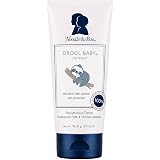
Imagine this common scenario: you look at your baby’s delicate skin, smooth and seemingly perfect, and wonder, “Do they really need baby lotion every single day?” Many parents share this thought, often believing that lotion is only for visibly dry or irritated skin. However, as Dr. Sagul Ramanuja Mugunthan emphasizes in the video above, this seemingly harmless oversight is actually a significant baby skincare mistake.
The truth is, your little one’s skin has unique needs that differ vastly from adult skin. It requires consistent, proactive care to maintain its natural defenses and ensure long-term health. Understanding these differences is the first step toward building an effective and protective daily skincare regimen.
Understanding Your Baby’s Unique Skin Barrier
A baby’s skin isn’t just a smaller version of an adult’s; it possesses distinct characteristics that make it incredibly vulnerable. Unlike mature skin, infant skin is considerably thinner, making it less resilient to external aggressors and environmental changes.
Furthermore, the stratum corneum, which is the outermost protective layer of skin, is not fully developed in newborns and young infants. This immaturity means that baby skin is far more permeable, allowing moisture to evaporate rapidly and irritants to penetrate more easily. This heightened sensitivity often leads to problems like dryness, redness, and discomfort.
The Rapid Moisture Loss Challenge in Infant Skin
One of the most critical differences highlighted by pediatric experts is the accelerated rate of transepidermal water loss (TEWL) in babies. This means their skin loses moisture much faster than an adult’s, leaving it susceptible to dehydration if not adequately protected.
This rapid moisture depletion can quickly compromise the skin’s natural barrier function. When this barrier is weakened, it struggles to defend against environmental factors, leading to common infant skin concerns such as rashes, eczema, and general irritation. Daily baby lotion application actively works to counter this natural tendency towards dryness, providing a vital layer of protection.
Why Daily Baby Lotion is Not Just a Luxury, But a Necessity
Many parents view baby lotion as a product to address existing issues, not to prevent them. Yet, a high-quality baby lotion does far more than just make skin feel soft; it plays a fundamental role in proactive skin health.
By forming a protective layer, lotion helps to “lock in” moisture after a bath, replenishing the hydration that even gentle cleansing can remove. This continuous hydration strengthens the skin barrier, making it more robust against potential irritants and allergens that babies frequently encounter.
The Multifaceted Benefits of Consistent Baby Skincare
Regular application of the right baby lotion offers a cascade of benefits beyond simple hydration. It creates an optimal environment for healthy skin development, minimizing the chances of common dermatological issues.
Imagine if your baby’s skin barrier was a sturdy wall; without daily care, it might develop cracks, allowing invaders to enter. Baby lotion acts like the mortar, reinforcing that wall to keep it strong and intact, thus preventing irritation, itching, and redness before they even begin. This consistent protective action is crucial for maintaining your infant’s comfort and preventing potential skin infections.
Choosing the Right Baby Lotion: Ingredients Matter
With countless baby lotion options available, selecting the correct one can feel overwhelming. Dr. Sagul rightly emphasizes checking the ingredient list, specifically calling out Aloe Vera and Vitamin B5 as vital components. These aren’t just trendy additions; they serve crucial functions in infant skin health.
Beyond these, look for lotions free from harsh chemicals, parabens, phthalates, and artificial fragrances, which can irritate sensitive baby skin. Hypoallergenic and dermatologist-tested formulations are always preferable to ensure maximum gentleness and minimize allergic reactions.
Spotlight on Essential Ingredients for Baby Skin
-
Aloe Vera: Known for its soothing and anti-inflammatory properties, Aloe Vera is a powerhouse ingredient for sensitive skin. It helps to calm redness and irritation, providing a gentle touch to areas prone to discomfort. Its natural cooling effect can be particularly beneficial for warm or mildly chafed skin.
-
Vitamin B5 (Panthenol): This ingredient is a hero for skin barrier repair and moisture retention. Vitamin B5 attracts and holds moisture, improving the skin’s hydration, elasticity, and smoothness. Crucially, it aids in the healing process of minor skin irritations and strengthens the skin’s natural protective functions over time. Think of it as a crucial building block for healthy skin cells.
-
Glycerin: A powerful humectant, glycerin draws moisture from the air into the skin, providing long-lasting hydration. It’s a common and safe ingredient that supports the skin’s natural moisturizing factors.
-
Shea Butter or Cocoa Butter: These natural emollients create a protective barrier on the skin’s surface, reducing moisture loss. They are rich in vitamins and fatty acids, offering nourishing and softening benefits for dry patches.
Ingredients to Approach with Caution
Just as important as knowing what to look for is knowing what to avoid. Certain ingredients, while common in adult products, can be detrimental to delicate infant skin.
Steer clear of baby lotions containing artificial dyes, synthetic fragrances, and harsh preservatives like parabens. These can trigger allergic reactions or irritate an already sensitive skin barrier. Furthermore, avoid alcohol-based products, which can strip away natural oils and exacerbate dryness, negating the very purpose of a moisturizing lotion.
Mastering the Application: The Art of Baby Lotion
Even the best baby lotion won’t perform optimally if applied incorrectly. The “how” of application is just as vital as the “what.” A common mistake is waiting until the skin is completely dry, or even worse, waiting for visible signs of dryness or rash to appear.
The optimal time for application is immediately after a bath, when the skin is still slightly damp. This is when the pores are open and most receptive to absorbing moisture, allowing the lotion to seal in the residual water and provide maximum hydration. Think of it as creating a protective sandwich, with the damp skin as the filling and the lotion as the protective bread.
Step-by-Step Application for Optimal Results
Applying baby lotion is a simple ritual that can become a lovely bonding moment. Follow these steps for effective coverage and absorption:
-
Gentle Towel Dry: After bathing, gently pat your baby’s skin with a soft towel, leaving it slightly damp, not completely dry. This provides the perfect canvas for the lotion.
-
Warm the Lotion: Dispense a small amount of baby lotion into your palm and rub your hands together. Warming the lotion slightly makes it easier to spread and more comfortable for your baby.
-
Thin, Even Layer: Apply a thin, even layer of lotion all over your baby’s body. There’s no need for thick globs; a little goes a long way. Gently massage it in using upward strokes, making sure to cover all areas.
-
Focus on Folds and Dry Spots: Pay special attention to areas prone to dryness or chafing, such as the neck folds, behind the ears, armpits, elbows, knees, and diaper area (after diaper cream). These spots often accumulate moisture or experience friction, making them more vulnerable.
-
A Gentle Massage: Use this time to connect with your baby through gentle touch. A light massage not only helps the lotion absorb but also promotes relaxation and strengthens your bond.
It is important to remember that consistent daily application is crucial for maintaining your baby’s skin health. Just as you bathe your baby daily, making baby lotion a regular part of their post-bath routine ensures continuous protection and hydration.
Consistency is Key: Proactive Baby Skincare for Lasting Health
The biggest mistake, as the video highlights, is waiting for dry skin or rashes to appear before reaching for the lotion. This reactive approach means the skin barrier has already been compromised, leading to discomfort for your baby and a longer recovery time.
Imagine if you only watered a plant when it was visibly wilting; it would constantly be under stress. Similarly, consistent daily hydration is essential for your baby’s skin to thrive. By making baby lotion a non-negotiable part of their daily routine, you are proactively supporting their skin’s natural defenses and fostering healthy development from day one.
In essence, the daily ritual of applying the right baby lotion, particularly one enriched with ingredients like Aloe Vera and Vitamin B5, is a fundamental pillar of infant skin health. This consistent, protective measure can make a significant difference in preventing common skin issues and ensuring your child’s delicate skin remains soft, hydrated, and resilient for the long term.
Is Baby Lotion a Must? Your Gentle Skincare Questions Answered
Do babies really need lotion every day?
Yes, daily baby lotion is crucial because infant skin is thinner and loses moisture much faster than adult skin, making it vulnerable to dryness and irritation.
How is a baby’s skin different from an adult’s?
A baby’s skin is significantly thinner and its protective outer layer is not fully developed. This means it loses moisture rapidly and is more susceptible to irritants than adult skin.
When is the best time to apply baby lotion?
The best time to apply baby lotion is immediately after a bath, when the skin is still slightly damp. This helps to seal in moisture and provide maximum hydration.
What ingredients should I look for in a baby lotion?
Look for gentle ingredients like Aloe Vera for soothing and Vitamin B5 (Panthenol) for barrier repair and moisture retention. Always choose hypoallergenic and dermatologist-tested options.
What ingredients should I avoid in baby lotion?
Avoid lotions containing artificial dyes, synthetic fragrances, harsh preservatives like parabens, and alcohol-based products, as these can irritate sensitive baby skin.