Essential Sleep Solutions for a New Baby
A safe and comfortable sleep environment is paramount for any newborn. While a cradle provides a cozy space, understanding the nuances of safe sleep is vital for new parents. Experts, including the American Academy of Pediatrics, consistently recommend a firm, flat sleeping surface free from loose bedding to reduce the risk of SIDS. When selecting sleep furniture like a cradle or crib, prioritizing safety certifications is important. Look for products meeting current safety standards, such as those from the Consumer Product Safety Commission (CPSC). An anti-rollover mattress, though popular, should always be paired with safe sleep guidelines, focusing on back sleeping for infants. Furthermore, a high-quality sleep curve mattress offers adequate support without being overly soft, ensuring proper spinal alignment for your growing baby. Studies indicate that infants spend up to 16 hours a day sleeping, emphasizing the need for a thoughtfully designed sleep space.Optimizing Diapering and Hygiene Routines
Diaper changing is a frequent task for new parents, often occurring 10-12 times a day in the early weeks. A dedicated diaper changing table not only provides a convenient height for parents, minimizing back strain, but also often includes safety straps to keep a wiggly infant secure. Investing in an ergonomic changing table can significantly improve comfort during these routine changes. Alongside the changing table, a diaper pail is an indispensable **baby nursery essential** for odor containment. Many modern diaper pails feature advanced sealing mechanisms or carbon filters to trap odors effectively, which is a major concern for parents managing soiled diapers. Additionally, a well-stocked toy basket can keep a baby entertained during changes, making the process smoother for everyone involved. Baby wipes are another core hygiene item; opting for hypoallergenic, fragrance-free wipes can prevent skin irritation, particularly for sensitive newborn skin. Research suggests that up to 20% of infants may experience diaper rash, making careful wipe selection and diaper cream application crucial.Bathing and Skincare: Gentle Care for Delicate Skin
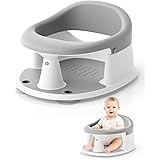
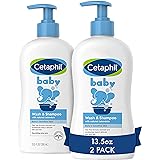
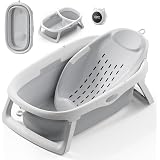
Bathing your baby is a special bonding time, but it requires the right tools and a gentle approach. A baby bathtub provides a secure and comfortable environment for newborns and infants, often featuring non-slip surfaces and ergonomic designs. These tubs typically support infants at an angle, making it easier for parents to wash their baby safely. Complementing the bath are baby washcloths, preferably made from soft, absorbent materials like bamboo or organic cotton. Using a mild, tear-free baby shampoo is essential to protect delicate eyes and skin. Following the bath, applying a gentle baby lotion helps to moisturize and protect the baby’s skin barrier. Pediatric dermatologists often recommend lotions free from harsh chemicals, parabens, and dyes to minimize the risk of allergic reactions. Statistics show that infant skin is 30% thinner than adult skin, making it more susceptible to environmental factors and requiring specific care products.Feeding Essentials for Nourishment and Convenience
Whether you’re breastfeeding or formula-feeding, having the right feeding supplies is paramount among your **baby essentials**. For bottle-fed babies, choosing appropriate bottles and nipples is critical, considering materials like glass or BPA-free plastic and various nipple flow rates. Different flow rates accommodate a baby’s developing suckling strength, often progressing from slow to medium flows. Maintaining hygiene for feeding equipment is non-negotiable. A dedicated bottle brush allows for thorough cleaning of bottles and nipples, reaching all crevices. Furthermore, a bottle sterilizer ensures that feeding equipment is free from harmful bacteria, which is particularly important for newborns with developing immune systems. While boiling water is a traditional method, steam sterilizers or UV sterilizers offer convenient and effective alternatives. Don’t forget burp cloths; these absorbent pieces of fabric are invaluable for catching spit-up, protecting both your clothes and the baby’s. Many parents report using several burp cloths daily, especially during the newborn phase.Health and Safety: Peace of Mind for Parents
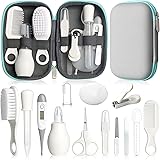
Prioritizing your baby’s health and safety is always at the forefront of parental concerns. A baby nail clipper, specifically designed with rounded edges or magnifying features, helps prevent accidental nicks while trimming tiny, sharp nails. Regular nail care is important to prevent scratches and infections. Monitoring a baby’s health requires accurate tools. A reliable baby thermometer, whether rectal for newborns (often recommended for accuracy by medical professionals) or a forehead thermometer for older infants, is crucial for detecting fevers promptly. A pacifier can also be a helpful tool for soothing a fussy baby or reducing the risk of SIDS, though its use should be introduced thoughtfully and discontinued around 6-12 months as per expert advice. Lastly, assembling a comprehensive baby first aid kit is a non-negotiable **nursery essential**. This kit should include items like saline drops, infant-specific pain relievers (consult a pediatrician), and wound care supplies to address minor emergencies effectively.On-the-Go and Playtime Gear
Modern parenting often involves mobility and providing stimulating play environments. An infant car seat is arguably the most critical safety item for traveling with your baby. It is legally required from birth and must be correctly installed and used rear-facing, typically until at least two years of age, or until the child reaches the maximum height or weight limit of the seat. Safety statistics consistently show that correctly installed car seats reduce the risk of injury in a crash by over 70%. For outings on foot, a stroller offers convenience, with various types available from lightweight umbrella strollers to robust travel systems. A baby carrier provides a hands-free way to keep your baby close, promoting bonding and allowing parents to navigate crowded spaces easily. For at-home entertainment and development, a baby swing or baby bouncer can provide soothing motion and independent play opportunities. These items can offer short periods of relief for parents, providing gentle stimulation for the baby. Finally, a play mat with engaging toys encourages tummy time, which is crucial for developing neck and upper body strength, laying the foundation for rolling and crawling. These play essentials contribute significantly to a baby’s early physical and cognitive development.Clothing and Laundry: Dressing Your Little One
Dressing a baby involves a blend of comfort, practicality, and adorable style. Baby onesies are fundamental, serving as versatile base layers or stand-alone outfits. Their snap closures make diaper changes considerably easier, which is a major benefit for busy parents. Pairing these with comfortable pants and shirts provides flexibility for different temperatures and occasions. For cooler weather or special events, baby rompers offer a complete outfit solution, while sweaters, socks, and baby booties provide essential warmth. Fleece suits are particularly popular for outdoor play in colder climates, offering excellent insulation. When considering fabrics, many parents opt for soft, breathable materials like organic cotton or bamboo, especially for sensitive skin. Moreover, using a baby-specific detergent is highly recommended. These detergents are typically free from harsh chemicals, dyes, and fragrances, minimizing the risk of skin irritation or allergic reactions in infants. Ensuring a gentle wash for all **baby nursery essentials** helps maintain fabric integrity and baby comfort.Nurturing Your Nursery & Navigating New Vocabulary: Your Questions Answered
What are some important categories of items I need for a baby’s nursery?
For a baby’s nursery, you’ll need essentials for sleep, diapering, bathing, feeding, and health & safety to ensure comfort and preparedness.
What is the most important thing for a baby’s sleep area?
A safe sleep environment is paramount, meaning a firm, flat sleeping surface free from loose bedding to reduce risks like SIDS.
What supplies do I need for changing my baby’s diapers?
You will need a dedicated changing table, a diaper pail for odor control, and hypoallergenic baby wipes for gentle cleaning.
Why is a car seat essential for a newborn?
An infant car seat is legally required and critical for your baby’s safety when traveling in a car, protecting them during rides.
What kind of clothes are best for a new baby?
Baby onesies are fundamental due to their convenience for diaper changes, and you’ll also need comfortable pants, shirts, and warm items like sweaters.