Caring for a newborn is a journey filled with joy and discovery. One crucial aspect often top of mind for new parents is keeping their baby’s delicate skin healthy. As the video above beautifully illustrates, a baby’s skin is incredibly thin and sensitive. It needs special attention and gentle care. Understanding these needs helps prevent common skin issues. This guide expands on the video’s essential tips, offering deeper insights into maintaining your baby’s skin health.
Understanding Your Newborn’s Delicate Skin
A newborn’s skin is truly unique. It is much thinner than adult skin. This means it offers less protection. It loses moisture faster. It is also more susceptible to irritants and infections. This makes proper baby skin care vital. You help build a strong skin barrier for your little one. This protects them from the outside world.
Why Newborn Skin Needs Extra Care
The skin’s outer layer, the epidermis, is not fully developed in infants. This means chemicals can absorb more easily. The natural oils are also easily stripped away. This leads to dryness. Babies also have a higher skin-to-body surface ratio. This affects how they respond to products. It also impacts temperature changes.
Essential Tips for Baby Skin Health
Gentle Bathing Practices
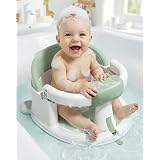
Bath time can be a special bonding experience. However, careful choices are key for baby’s skin health.
- **Lukewarm Water is Best:** Hot water truly strips natural moisture. It leaves skin dry and irritated. Aim for water around 98-100°F (37-38°C). This is comfortable for your baby. Test the water with your wrist or elbow. It should feel pleasantly warm, not hot.
- **Keep Baths Short:** Long baths can also dry out sensitive skin. Five to ten minutes is often enough. A quick, gentle cleanse is perfect.
Choosing the Right Cleansing Products
What you use to wash your baby matters significantly. Mild products protect their developing skin barrier.
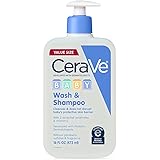
- **Mild Soaps and Cleansers:** Always pick products designed for newborns. Look for “fragrance-free,” “hypoallergenic,” and “tear-free” labels. These products have a balanced pH. They will not strip essential oils. Harsh soaps can lead to dry patches and irritation.
- **Avoid Unnecessary Ingredients:** Skip products with dyes, strong perfumes, or sulfates. These can irritate newborn baby skin. A baby’s skin does not need strong cleaners.
Drying Your Baby After Bath
How you dry your baby is just as important as how you wash them. Improper drying can cause skin problems.
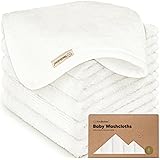
- **Use Soft Towels:** Opt for very soft, absorbent towels. Cotton or bamboo are excellent choices. They are gentle on delicate skin.
- **Pat, Don’t Rub:** Rubbing a towel on baby’s skin can cause micro-abrasions. It can also lead to redness. Always pat your baby’s skin gently. Pay extra attention to skin folds. Ensure these areas are completely dry. Moisture trapped in folds can lead to rashes.
Maintaining Ideal Room Temperature
The environment around your baby also affects their skin. Extremes in temperature can cause discomfort.
- **Consistent Temperature:** Keep your baby’s room at a comfortable temperature. Around 68-72°F (20-22°C) is often ideal. This prevents excessive sweating. It also prevents dry skin.
- **Consider Humidity:** In very dry climates, a humidifier can help. It adds moisture to the air. This prevents skin from drying out.
Mindful Use of Baby Powder
Powder use is a topic with varying opinions. Many experts advise caution.
- **Powder is Not Always Needed:** If you pat your baby dry thoroughly, powder is often unnecessary. Overuse can cause issues.
- **Choose Wisely if Used:** If you choose to use powder, select an unscented, cornstarch-based product. Avoid perfumed powders. These can contain irritants. Always apply powder to your hands first. Then pat it onto your baby. This reduces airborne particles.
Selecting the Right Diapers
Diapers are in constant contact with your baby’s most sensitive areas. Their choice impacts baby skin health.
- **Proper Fit is Crucial:** Diapers should fit snugly but not too tightly. A tight diaper restricts air flow. This can cause chafing and irritation. It also makes diaper rash more likely.
- **Absorbency and Breathability:** Choose highly absorbent diapers. These wick away moisture quickly. Look for breathable materials too. These help prevent dampness.
- **Frequent Changes:** Change wet or soiled diapers promptly. This is your best defense against diaper rash.
The Benefits of Oil Massages
Massage is not just for relaxation. It offers many skin benefits for infants.
- **Nourish and Protect:** Massaging with natural oils helps keep skin supple. It adds a protective barrier. It also improves circulation. This is a wonderful way to bond.
- **Safe Oil Choices:** Use natural, cold-pressed oils. Coconut oil, almond oil, and grapeseed oil are good options. Avoid fragrant oils. They may contain chemicals. Always do a patch test first. Apply a tiny amount to a small area of skin. Wait 24 hours for any reaction.
Protecting from Sun Exposure
Babies need extra protection from the sun. Their skin is extremely vulnerable.
- **Seek Shade:** Always keep babies in the shade when outdoors. This is especially true for infants under six months. Their skin has less melanin. This offers less natural protection.
- **Protective Clothing:** Dress your baby in lightweight, long-sleeved clothing. Hats with wide brims are also essential. Look for clothing with UPF (Ultraviolet Protection Factor).
- **Sunscreen (Consult Pediatrician):** For babies under six months, sunscreen use should be minimal. Consult your pediatrician first. For older babies, use broad-spectrum mineral sunscreens. Look for zinc oxide or titanium dioxide. Apply to small, exposed areas.
Importance of Moisturizing
Locking in moisture is a vital step in daily baby skin care. It helps prevent dryness.
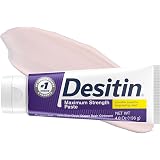
- **After Every Bath:** Apply a mild, non-fragrant moisturizer immediately after bathing. Patting skin almost dry is best. Then apply the moisturizer. This locks in the moisture.
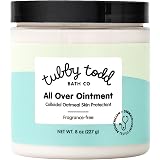
- **Choose Wisely:** Select moisturizers specifically for babies. Look for creams or ointments. These are thicker and provide a better barrier. Avoid lotions with alcohol or strong scents.
Selecting Baby’s Clothes
Clothing choices impact your baby’s comfort and skin health. Soft, breathable fabrics are key.
- **Soft Cotton Clothing:** Cotton is a fantastic choice for babies. It is breathable and absorbent. It helps wick away sweat. This keeps skin dry. Avoid synthetic fabrics. They can trap heat. This can lead to rashes.
- **Layer Appropriately:** Dress your baby in layers. This allows for easy adjustment. You can add or remove layers as needed. This prevents overheating or getting too cold.
Gentle Laundry Detergents
What you wash your baby’s clothes with also affects their skin. Residues can cause irritation.
- **Mild, Fragrance-Free Detergent:** Wash all baby clothes with a mild, fragrance-free detergent. Look for products labeled “free and clear.” These are free from dyes and perfumes.
- **Separate Washes:** Wash baby clothes separately. This prevents them from picking up residues. It also prevents allergens from other garments. Consider a double rinse cycle. This ensures no detergent residue remains. Always wash new clothes before the first wear. This removes any manufacturing irritants.
Following these tips ensures your baby’s delicate newborn baby skin care needs are met. Consistent, gentle care supports a happy, healthy baby. It truly makes a difference.
Keeping Baby’s Skin Healthy: Your Questions Answered
Why is a newborn’s skin so delicate?
A newborn’s skin is much thinner than an adult’s, which means it offers less protection. It loses moisture faster and is more susceptible to irritants and infections, requiring special care.
What kind of products should I use for bathing my baby?
Always choose mild products designed for newborns that are labeled ‘fragrance-free,’ ‘hypoallergenic,’ and ‘tear-free.’ Avoid products with dyes, strong perfumes, or sulfates, as these can irritate delicate skin.
How should I dry my baby after a bath?
Use a very soft, absorbent towel and gently pat your baby’s skin dry instead of rubbing. Be sure to pay extra attention to drying skin folds completely, as trapped moisture can lead to rashes.
Is it important to moisturize my baby’s skin?
Yes, moisturizing is a vital step to help prevent dryness and build a strong skin barrier. Apply a mild, non-fragrant cream or ointment specifically for babies immediately after bathing to lock in moisture.