The first few weeks with a newborn are a beautiful whirlwind of tiny yawns, endless cuddles, and a learning curve that feels as steep as Everest. For many new parents, one of the most nerve-wracking tasks is often the very first bath, especially when the delicate umbilical cord stump is still present. It’s a common feeling, a mix of excitement and trepidation, akin to meticulously assembling a priceless miniature model – you want to get every detail right, ensuring safety and comfort.
The accompanying video offers a fantastic, reassuring guide to bathing a newborn baby with an umbilical cord, breaking down each step into manageable actions. While the visual demonstration is invaluable, understanding the deeper ‘why’ behind each recommendation can further build your confidence. Let’s delve into the nuances of making bath time a serene, safe, and bonding experience for both you and your little one, expanding on the expert advice provided.
Embracing Newborn Hygiene: More Than Just Cleanliness
The video rightly highlights that hygiene is a cornerstone of baby care, and a daily bath helps keep your baby clean and fresh. Beyond mere cleanliness, however, a consistent bath time routine offers a wealth of developmental and emotional benefits. It serves as a gentle sensory experience, introducing your baby to the feeling of warm water, soft sponges, and comforting parental touch.
Timing the bath wisely, as suggested, before a feed, is a small but significant detail. Giving a bath too soon after a feed can indeed lead to discomfort and spit-up, much like going for a vigorous run immediately after a large meal. An empty or only lightly fed tummy ensures your baby is more relaxed and less prone to reflux, setting the stage for a positive experience.
Cultivating Confidence in Bathing a Newborn Baby
Feeling anxious about bathing your newborn baby for the first time is a universal parental experience. It’s perfectly normal to worry about their fragility, the water temperature, or navigating the umbilical cord stump. Think of it like learning to drive a car – initially, every action feels deliberate and a little awkward, but with practice, it becomes second nature, transforming into a smooth, intuitive process.
The more you practice, the more confident you become, and this newfound assurance directly translates to a calmer baby. Your baby will begin to associate bath time with comfort and warmth, transforming what might initially be a stressful event into a cherished ritual. Don’t hesitate to involve your partner; tandem bathing can be a beautiful bonding activity and offers an extra set of hands for support and reassurance.
Essential Bath Time Arsenal: Gathering Your Supplies
Preparation is key to a smooth and stress-free bath. Before even thinking about water, ensure every item on your checklist is within arm’s reach. This isn’t just about convenience; it’s a critical safety measure, preventing you from ever having to leave your baby unattended. Imagine a chef meticulously laying out all their ingredients before starting a complex recipe; a well-prepared bath station is your culinary mise en place.
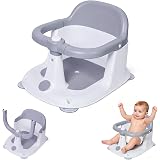
The video thoughtfully lists the necessities: a baby bathtub, a jug for warm water, cool boiled water, soft cotton wool balls, a bin for disposables, a gentle face cloth and towel, mild baby soap, clean baby clothes, a fresh diaper, and a baby wrap. Furthermore, always remember to wash your hands thoroughly with soap and water beforehand, creating a hygienic environment for your little one.
Setting the Scene: Preparing the Newborn Bath
The preparation of the bath itself is paramount for safety and comfort. Starting with cold water, then adding warm water until the tub is about one-third full, allows for precise temperature control. It’s a method that prevents accidental scalding, much like layering ingredients to prevent lumps in a batter. Mixing the water thoroughly ensures a consistent temperature throughout the tub, eliminating any hot spots.
Testing the water temperature with the inner part of your forearm is a time-honored technique because this skin is more sensitive than your hand, providing a more accurate gauge of what your baby will feel. The goal is comfortably warm, not hot – around 37-38°C (98.6-100.4°F). Adding just two drops of gentle baby soap, as suggested, is sufficient; newborn skin is delicate and prone to dryness, so less is often more. Over-soaping can strip natural oils, akin to using harsh detergent on a silk garment.
Gentle Cleansing: A Head-to-Toe Approach
Unwrapping and Reassuring
Place your baby gently onto a soft bath towel and lovingly remove their vest. Speaking softly, singing, or humming to your baby throughout this process is incredibly important. Your voice is a familiar anchor in a new experience, much like a steady lighthouse beam guiding a ship. Leave their diaper on initially and re-wrap them snugly in the towel, securing their hands and feet. This swaddling effect provides a sense of security and warmth, making the transition to bath time less startling.
Caring for Delicate Eyes and Face
The eyes require a particularly gentle touch, and using cool boiled water is crucial for its sterility. Dip a cotton ball, squeeze out the excess, and clean from the inner corner of the eye outwards, using a fresh cotton ball for each eye and one clean stroke. This technique prevents the spread of potential irritants or infections. Think of it as painting a canvas; you wouldn’t use the same brush for different colors if you wanted a pristine result.
Observe for any persistent sticky or yellowish discharge, which could be a sign of infection, and consult your doctor if it continues. For the rest of the face, use cool boiled water with either a face cloth or new cotton balls, cleaning from the center outwards – forehead, nose, cheeks, and mouth area. This methodical approach ensures no spot is missed, yet avoids over-scrubbing.
Washing Newborn Hair with the ‘Football Hold’
Washing your baby’s hair requires a specific, secure grip to support their head and neck. The ‘football hold’ is an excellent technique, positioning your baby tucked between your arm and body, with your palm supporting their head. Tilt their head slightly backwards over the bath basin, gently wash their hair, and then dry it with a corner of the towel wrap. This hold gives you maximum control and keeps water out of their eyes and ears, much like a quarterback protecting the ball.
After their hair is dry, place your baby on the changing table to unwrap them and remove the soiled diaper. If your baby has passed a motion, clean their buttocks with wet wipes. Always wash your hands again after cleaning soiled areas before proceeding with the full bath, ensuring continued hygiene.
Body Bathing: Secure Grip and Gentle Touch
Now, for the main event: placing your baby into the tub. Use a secure grip: your left hand supporting their shoulder, fingers hooked under the armpit, and your right hand under their buttocks, gripping the thigh. Lift them smoothly into the tub, maintaining the left-hand support with their head above water. Release your right hand to gently wash their front and private area with a face cloth.
Then, transition the grip: your right hand takes over under the armpit, allowing your baby to lean forward over your right arm while you clean their back and buttocks with your left hand. Throughout this, continue to talk and sing; your voice acts as a calming soundtrack, transforming a routine task into an engaging interaction. When finished, lift them out with the same secure two-hand technique, placing them onto a fresh towel.
The Art of Drying and Umbilical Cord Care
Pat your baby dry immediately and thoroughly, paying special attention to all skin folds. These areas, behind the ears, between fingers and toes, under armpits, and in the private area, are prone to moisture retention, which can lead to skin irritation or rashes. Think of it as carefully wiping down a delicate antique; every nook and cranny needs attention to prevent damage.
Nurturing the Umbilical Cord Stump
The umbilical cord stump requires particular attention until it dries up and falls off, typically within one to three weeks. It’s like a drying twig, gradually detaching from its branch. Always wash your hands first. Use cotton balls dipped in cool boiled water, squeezed dry, to clean the base of the cord with one gentle circular motion. Discard the swab after each use.
With a fresh swab, clean the sides of the cord from the base upwards, using a new swab each time. Finish by cleaning the cord clamp and the tip of the cord. The goal is to keep the stump clean and dry to promote healing and prevent infection. Air exposure is beneficial, so avoid covering it with the diaper when possible by folding the diaper down. If you notice any signs of infection – redness, swelling, foul odor, or discharge – consult your pediatrician immediately.
Dressing Your Clean, Happy Baby
Once your baby is dry and their cord stump is cared for, it’s time to dress them. Choose comfortable clothes appropriate for the environment. Overdressing can lead to overheating, which is something to avoid. Applying a gentle baby lotion can help moisturize their delicate skin, but baby powder is generally not encouraged as it can be inhaled and irritate tiny lungs.
After all the bathing and dressing, take a moment for cuddles. This physical reassurance strengthens your bond and helps your baby feel secure and loved. Encourage your spouse to participate; bath time is not just a chore but a precious opportunity for both parents to connect with their newborn. A clean, fresh, and comforted baby is often a sleepy baby, ready for a good feed and a peaceful nap, benefiting from the calming routine of bathing a newborn baby.