The first few years of a child’s life are critical for developing healthy skin, yet statistics show that up to 60% of infants experience some form of skin condition within their first year, often due to underdeveloped skin barriers. As expertly highlighted in the accompanying video featuring Dr. Ankur Gautam, understanding and implementing the best skincare for baby is not just about cleanliness; it’s about protecting a fragile system designed to guard against the external world. This comprehensive guide expands on the vital aspects of infant skin health, offering data-driven insights and practical advice to help you nurture your baby’s delicate skin effectively.
Understanding Your Baby’s Unique Skin Structure
A newborn’s skin is remarkably different from an adult’s. Studies indicate that infant skin is approximately 20-30% thinner than adult skin, making it far more permeable and susceptible to external irritants. This increased permeability means that anything applied to a baby’s skin is absorbed more readily into their bloodstream, emphasizing the critical importance of product selection. Furthermore, a baby’s skin barrier, which is responsible for retaining moisture and protecting against bacteria, is not fully developed until around two years of age.
This underdeveloped barrier function often leads to higher transepidermal water loss (TEWL), meaning babies lose moisture from their skin much faster than adults. Consequently, their skin can become dry, flaky, or irritated more easily. Maintaining proper hydration and minimizing exposure to harsh chemicals becomes paramount for supporting healthy skin development. Awareness of these physiological differences empowers parents to make informed decisions about their baby skincare routine.
Essential Practices for Nurturing Baby Skincare
Establishing a gentle and consistent baby skincare routine can significantly reduce the risk of common skin issues. Simple additions to daily care can make a substantial difference in maintaining your baby’s comfort and health. These practices are foundational to protecting their delicate skin.
Gentle Bathing Routines
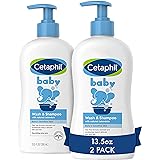
Bathing frequency is a common concern for new parents. While daily baths were once recommended, modern pediatric guidelines often suggest bathing newborns 2-3 times a week, as more frequent baths can strip natural oils and disrupt the skin barrier. When bathing your baby, ensure the water is lukewarm, ideally around 98-100°F (37-38°C), to prevent scalding or excessive drying. Use a mild, pH-neutral cleanser specifically formulated for infants, avoiding products with harsh detergents or strong fragrances.
Keep bath time short, typically no longer than 5-10 minutes, to minimize skin dehydration. Afterward, gently pat your baby’s skin dry with a soft towel, paying special attention to skin folds, without rubbing. This helps prevent irritation and keeps moisture locked in where it’s needed most for optimal baby skincare.
The Power of Moisturizing
Regular moisturizing is a cornerstone of effective baby skincare, especially for infants prone to dryness or eczema. Applying a gentle, hypoallergenic moisturizer immediately after a bath, while the skin is still slightly damp, helps to seal in moisture. Lotions, creams, or ointments are all viable options, with creams and ointments generally offering more intensive hydration.
Research indicates that early and consistent use of emollients can significantly reduce the incidence of atopic dermatitis (eczema) in high-risk infants by up to 50%. Look for products free from dyes, fragrances, and parabates, as these can trigger skin sensitivities. A daily application can provide continuous protection and support the skin’s natural barrier function.
Diligent Diaper Care
Diaper rash is one of the most common skin conditions affecting infants, with studies showing that nearly one-third of babies experience it at some point. Frequent diaper changes are essential to prevent moisture and irritants from prolonged contact with the skin. Aim to change soiled or wet diapers as soon as possible, often every 2-3 hours for newborns.
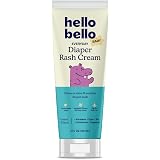
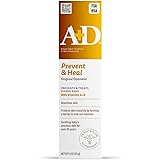
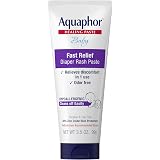
During changes, gently cleanse the diaper area with plain water or a mild, fragrance-free baby wipe. Allow the skin to air dry completely before applying a thick layer of barrier cream containing zinc oxide or petrolatum. This creates a protective shield against moisture and irritants, effectively preventing and treating diaper rash, a crucial element of comprehensive baby skincare.
Safe Sun Protection for Infants
Protecting a baby’s delicate skin from the sun is paramount, as their skin is highly vulnerable to UV radiation. Pediatric experts recommend keeping infants under six months out of direct sunlight entirely. This is because their skin lacks sufficient melanin for protection, and their thinner skin makes them more susceptible to sunburn.
When outdoors, dress your baby in lightweight clothing that covers arms and legs, and use wide-brimmed hats to shield their face and neck. Seek shade under trees, umbrellas, or canopies. For infants over six months, a small amount of mineral-based sunscreen (containing zinc oxide or titanium dioxide) can be applied to small areas of exposed skin, although physical barriers remain the primary method of protection.
Choosing the Right Baby Skincare Products
The market is flooded with baby products, making selection challenging. However, informed choices are vital for effective baby skincare. Focus on ingredients and certifications to ensure safety and efficacy for your little one’s sensitive skin.
Ingredients to Prioritize and Avoid
When selecting baby skincare products, opt for formulations with minimal ingredients, prioritizing natural and gentle components. Look for plant-derived emollients like shea butter or sunflower oil, which are known for their moisturizing properties. Products containing colloidal oatmeal can be particularly soothing for irritated or eczematous skin, as demonstrated in various dermatological studies.
Conversely, several ingredients should be consistently avoided. Fragrances, both natural and synthetic, are a leading cause of skin irritation and allergic reactions in infants. Parabens, phthalates, and sulfates are also common culprits that can disrupt hormone function or irritate sensitive skin. Research indicates a significant portion of common baby products still contain these potentially harmful chemicals, underscoring the need for careful label reading.
Decoding Product Labels
Understanding product labels is key to making safe choices for baby skincare. Look for terms like “hypoallergenic,” which indicates the product is less likely to cause allergic reactions, although it doesn’t guarantee a complete absence of allergens. “Dermatologist-tested” and “pediatrician-tested” labels suggest that the products have undergone evaluation by skin specialists or children’s doctors, adding a layer of reassurance.
Additionally, “fragrance-free” is superior to “unscented,” as “unscented” products can still contain masking fragrances. Always perform a patch test on a small area of your baby’s skin before applying any new product widely. This simple step can prevent widespread irritation and confirm the product’s suitability for your baby’s unique skin.
Addressing Common Baby Skin Concerns
Despite the best preventative care, babies can still develop common skin conditions. Knowing how to identify and manage these issues is an important part of comprehensive baby skincare. Early intervention can prevent minor irritations from escalating.
Managing Diaper Rash
Beyond prevention, effective treatment for diaper rash involves continued vigilance. If a rash develops, increase the frequency of diaper changes and ensure thorough but gentle cleansing. Apply a thick layer of a zinc oxide or petrolatum-based diaper cream at every change. For more stubborn rashes, consulting your pediatrician is advisable, as some may require prescription creams or fungal treatments, especially if linked to yeast infections, which account for a significant percentage of persistent diaper rashes.
Understanding and Treating Eczema (Atopic Dermatitis)
Eczema commonly presents as red, itchy, scaly patches on a baby’s skin, often appearing on the face, scalp, and joints. It affects a substantial number of infants globally, with prevalence rates estimated between 15-20%. Managing eczema involves a multi-pronged approach: consistent moisturizing with thick emollients, identifying and avoiding triggers (such as certain fabrics, soaps, or foods), and keeping bath times short and lukewarm. Your pediatrician may recommend specific topical steroids or calcineurin inhibitors for flare-ups, demonstrating the importance of professional guidance in severe cases.
Cradle Cap and Other Minor Irritations
Cradle cap, characterized by greasy, yellowish scales on the scalp, is a benign and common condition. It’s not painful or itchy for the baby and typically resolves on its own within a few months. Gentle washing with a mild baby shampoo and softly brushing the scales with a soft brush or comb can help loosen them. Milia, tiny white bumps often seen on a newborn’s face, are also harmless and disappear spontaneously. Heat rash, small red bumps resulting from blocked sweat glands, usually resolves by keeping the baby cool and well-ventilated, underscoring the benefits of simple solutions in baby skincare.
The journey of nurturing your baby’s skin is a testament to careful observation and informed choices. By prioritizing gentle, safe products and consistent practices, you actively support their natural skin barrier and overall well-being. Always consult with your pediatrician or a pediatric dermatologist for any persistent or concerning skin conditions to ensure your baby receives the most appropriate and effective baby skincare.
Soft Skin Solutions: Your Baby Skincare Q&A
Why is baby skin so delicate compared to adult skin?
A baby’s skin is approximately 20-30% thinner and more permeable than an adult’s, making it more susceptible to irritants and moisture loss. Their skin barrier, which protects against external elements, isn’t fully developed until around two years of age.
How often should I bathe my newborn baby?
Modern pediatric guidelines often suggest bathing newborns 2-3 times a week. More frequent baths can strip natural oils and disrupt their delicate skin barrier.
Why is moisturizing important for my baby’s skin?
Regular moisturizing helps seal in moisture, especially after a bath, preventing dryness and supporting the skin’s natural barrier function. Consistent use can also significantly reduce the incidence of conditions like eczema.
What common ingredients should I avoid when choosing baby skincare products?
You should consistently avoid products containing fragrances, parabens, phthalates, and sulfates. These ingredients are common culprits for irritation and can potentially disrupt sensitive baby skin.
How should I protect my baby from the sun?
Pediatric experts recommend keeping infants under six months out of direct sunlight entirely. When outdoors, dress your baby in lightweight clothing, wide-brimmed hats, and seek shade under trees or canopies.