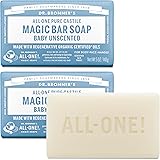
Welcoming a newborn into the world brings immense joy, but it also ushers in a new era of questions and concerns, especially when it comes to their delicate care. Many new parents find themselves overwhelmed by the sheer number of baby products on the market, particularly when trying to select the best soaps for newborn baby skin. Choosing the wrong product can lead to dryness, irritation, or even allergic reactions, making this decision feel quite critical for your little one’s comfort and health. Understanding these common worries, this comprehensive guide, building upon insights often shared by pediatricians, aims to equip you with the knowledge needed to make informed choices for your baby’s bath time routine.
While the video above offers valuable visual guidance, delving deeper into the specifics of infant skin care and product selection provides an indispensable written resource. We want to ensure you select a baby soap that not only cleanses effectively but also protects and nourishes their incredibly sensitive skin. This detailed exploration will help demystify ingredients, explain crucial labels like ‘pH balanced’ and ‘hypoallergenic’, and give you the confidence to navigate the baby aisle like a pro. By following these pediatrician-recommended principles, you can transform bath time into a safe, soothing, and bonding experience.
Why Newborn Skin Requires Special Care and Specific Soaps
A newborn’s skin is remarkably different from an adult’s, making the choice of newborn baby soap incredibly important. Their skin is significantly thinner, often 20-30% thinner than adult skin, which means it absorbs substances more readily and is more prone to moisture loss. This delicate barrier is still developing, making it less effective at protecting against irritants, allergens, and microbes from the environment. Consequently, harsh chemicals, strong fragrances, or even incorrect pH levels in bath products can easily disrupt this fragile protective layer, leading to dryness, rashes, or eczema.
Furthermore, an infant’s skin has a higher surface area-to-volume ratio compared to adults, intensifying the potential impact of any topical product applied. What might be a mild irritant for an adult could cause a significant reaction in a baby. Therefore, selecting a gentle, specifically formulated product is not just a preference; it’s a necessity for maintaining skin health and preventing discomfort. Many conventional soaps contain sulfates or strong detergents that strip natural oils, however, the right baby wash will cleanse without compromising this vital moisture barrier, proving far superior for delicate skin.
Key Ingredients to Seek Out in Pediatrician Recommended Baby Soaps
When you’re searching for the best soaps for newborn baby, focusing on the ingredient list is paramount. Pediatricians consistently recommend products that are formulated with mild, gentle components designed to support rather than challenge a baby’s developing skin barrier. Look for ingredients that hydrate and soothe, actively working to keep the skin supple and protected. Understanding what these beneficial components are can significantly simplify your decision-making process in the bustling baby care aisle.
-
Natural Moisturizers: Ingredients like glycerin, shea butter, and various natural oils (such as sunflower oil, coconut oil, or almond oil) are excellent for their hydrating properties. Glycerin, for instance, is a humectant, meaning it draws moisture from the air into the skin, helping to maintain hydration. Conversely, strong detergents found in many adult soaps can strip these vital moisturizers away.
-
Oatmeal Extract: Colloidal oatmeal is a renowned ingredient for sensitive and eczema-prone skin. It possesses anti-inflammatory properties and forms a protective barrier on the skin, which helps to lock in moisture and soothe irritation. While some products might claim to be soothing, the presence of oatmeal provides verifiable comfort.
-
Mild Cleansing Agents: Opt for soaps that use extremely mild surfactants, often plant-derived. Look for terms like coco-glucoside, decyl glucoside, or sodium lauroamphoacetate. These cleanse effectively without creating excessive foam, which can often indicate the presence of harsher, drying chemicals. However, if a product simply lists “fragrance” without specifics, exercise caution.
-
Vitamin E: This antioxidant can help protect skin cells from damage and contribute to skin health. While not a primary cleanser, it’s a beneficial addition in a nourishing baby soap formulation. Many brands incorporate it as a supplementary skin-loving ingredient, adding an extra layer of care to the mix.
Ingredients to Absolutely Avoid for Newborn Skin
Just as crucial as knowing what to look for is understanding what to steer clear of when choosing pediatrician recommended baby soap. Certain ingredients, while common in adult personal care products, can be extremely detrimental to a newborn’s delicate skin, potentially causing irritation, dryness, or even contributing to more serious health concerns over time. Educating yourself on these potential irritants is a proactive step towards ensuring your baby’s skin remains healthy and comfortable throughout their early development.
-
Fragrances and Dyes: These are among the most common culprits for skin irritation and allergic reactions in babies. Even “natural” fragrances can be irritants. Opt for completely fragrance-free and dye-free products whenever possible. Conversely, heavily scented products, though appealing to adults, pose unnecessary risks for infants.
-
Parabens (Methylparaben, Propylparaben, Butylparaben): These preservatives have been linked to hormone disruption and are generally advised against in baby products. While they extend shelf life, the potential risks outweigh the benefits for sensitive infant skin. Instead, look for alternative preservation systems that are safer.
-
Phthalates: Often found in synthetic fragrances, phthalates are endocrine disruptors and should be avoided. Many manufacturers are moving away from using them, but it’s still wise to check labels or choose brands that explicitly state “phthalate-free.” This is especially true for products that list “fragrance” generically.
-
Sulfates (Sodium Lauryl Sulfate – SLS, Sodium Laureth Sulfate – SLES): These powerful detergents create lather but are known to strip natural oils from the skin, leading to dryness and irritation. They are particularly harsh on a newborn’s fragile skin barrier. Instead, milder, naturally derived cleansing agents are a much better choice for a gentle newborn baby soap.
-
Alcohol: Ethanol or isopropyl alcohol, often found in astringent products, can be extremely drying and irritating to a baby’s skin. While some fatty alcohols (like cetyl alcohol) are harmless and even beneficial as emollients, avoid drying alcohols. Furthermore, any product claiming strong “disinfecting” properties might contain ingredients too harsh for infant use.
Understanding pH Balance and “Tear-Free” Labels
Two terms frequently encountered on labels for baby soap are “pH balanced” and “tear-free.” Understanding what these terms mean and why they are important for your newborn can significantly guide your selection process. These are not just marketing buzzwords; they represent critical formulations designed with your baby’s physiology in mind, ensuring both safety and comfort during bath time. Ignoring these factors could lead to unnecessary discomfort or skin issues.
The Importance of pH Balance
A baby’s skin has a natural pH level that is slightly acidic, typically ranging between 4.5 and 5.5. This “acid mantle” acts as a crucial protective barrier against bacteria, environmental irritants, and excessive moisture loss. Products with a high (alkaline) pH can disrupt this delicate balance, compromising the skin barrier and making it more susceptible to dryness, irritation, and conditions like eczema. Therefore, choosing a newborn baby soap that is “pH balanced” means it is formulated to match the natural acidity of your baby’s skin, helping to preserve the protective barrier. However, many traditional adult soaps are alkaline, making them unsuitable for infants.
What “Tear-Free” Really Means
The “tear-free” label is a promise that a product is formulated not to sting or irritate your baby’s eyes during bath time. This is achieved by using mild, non-ionic surfactants (cleansing agents) that are less likely to cause irritation if they come into contact with the eyes. While it doesn’t mean the product is completely free of chemicals, it indicates a careful selection of ingredients designed for ocular comfort. Conversely, products without this label might contain stronger ingredients that cause discomfort if splashed, making bath time a less enjoyable experience for your little one. Always prioritize this feature for your baby’s comfort and safety.
How Often Should You Bathe Your Newborn and What to Look For During Bath Time
Deciding how frequently to bathe your newborn and monitoring their skin during bath time are crucial aspects of their overall care, often raising questions for new parents seeking the best soaps for newborn baby. It’s easy to assume that daily baths are necessary for cleanliness, but for newborns, less is often more. Over-bathing, even with the gentlest products, can strip their delicate skin of essential natural oils, leading to dryness and irritation. However, paying close attention to their skin during these routines is equally important to catch any early signs of trouble.
Pediatricians generally recommend bathing newborns only two to three times a week during their first few months. For sponge baths, you can cleanse their face, neck, diaper area, and skin folds daily using a soft cloth and warm water, without necessarily submerging them. When you do give a full bath, keep it brief—around 5-10 minutes—using lukewarm water, not hot. Always ensure the chosen baby soap is truly mild and used sparingly, concentrating on areas that truly need cleansing like the neck, underarms, and diaper region. Conversely, excessive scrubbing or prolonged exposure to water can be counterproductive, damaging the skin barrier rather than protecting it.
During and after bath time, observe your baby’s skin closely. Look for any signs of redness, dryness, flakiness, or new rashes. These could indicate a reaction to the product, water temperature, or simply an area that needs extra moisturizing. If you notice any concerning changes, discontinue using the product immediately and consult with your pediatrician. This proactive approach helps ensure your newborn’s skin remains healthy and irritation-free, making bath time a truly pleasant and safe routine with the best soaps for newborn baby.
Dr. Srimukhi’s Lather & Learn: Your Questions Answered
Why does a newborn’s skin need special soap?
A newborn’s skin is much thinner and more delicate than an adult’s, making it more prone to moisture loss, irritation, and allergic reactions from harsh chemicals. Special baby soaps protect their developing skin barrier.
What good ingredients should I look for in baby soap?
Look for natural moisturizers like glycerin, shea butter, and natural oils, as well as soothing oatmeal extract and mild, plant-derived cleansing agents. Vitamin E can also be a beneficial ingredient.
What ingredients should I avoid in baby soap?
It’s best to avoid fragrances, dyes, parabens, phthalates, sulfates (like SLS/SLES), and drying alcohols. These can irritate a newborn’s sensitive skin and potentially cause dryness or rashes.
What do “pH balanced” and “tear-free” mean on baby soap labels?
A “pH balanced” soap matches your baby’s skin’s natural slightly acidic pH, helping to preserve its protective barrier. “Tear-free” means the product is formulated with mild ingredients to prevent stinging or irritating your baby’s eyes.
How often should I bathe my newborn baby?
Pediatricians generally recommend bathing newborns only two to three times a week during their first few months. For daily cleaning, you can give sponge baths focusing on their face, neck, and diaper area.