As new parents, the world of baby care can feel like a labyrinth of choices and concerns. Among the most common questions, as our expert doctor beautifully explains in the video above, is the one about diaper use. “Can we really use diapers for our little ones?” is a worry that crosses many minds. The reassuring answer is a resounding ‘Yes!’ – from newborns right up to their first birthday, diapers are absolutely safe, provided a few key precautions are followed. This guide aims to expand on the valuable insights shared in the video, offering a deeper dive into making diaper choices and preventing the dreaded diaper rash.
Navigating the World of Diapers: Reusable vs. Disposable
The first step in effective baby diaper care often involves choosing the right type of diaper. The video highlights two primary categories: cloth or reusable diapers, often made of soft cotton, and disposable diapers, which are readily available in pharmacies. Understanding when and why to use each can make a significant difference in your baby’s comfort and skin health.
Reusable Diapers: The Home Comfort Choice
Cotton or reusable diapers are like a warm, soft blanket for your baby’s skin. They are gentle, breathable, and an excellent choice for everyday use at home. Because they allow more air circulation, they naturally reduce the risk of diaper rash, which thrives in moist, enclosed environments. Moreover, choosing reusable options can be a more environmentally conscious decision, reducing waste over time.
Disposable Diapers: Your Travel Companion
While reusable diapers are ideal for home, disposable ones offer unparalleled convenience, especially when you’re on the go. As the doctor notes, their main advantage is superior leakage protection, making them perfect for traveling or outings. However, this absorbency, while beneficial for preventing leaks, can also contribute to a higher risk of diaper rash if not changed frequently. It’s crucial to dispose of them immediately after use to maintain hygiene.
Making the Best Diaper Choice for Your Baby
Think of choosing diaper types like selecting the right outfit for the weather. For the familiar and comfortable environment of home, soft, breathable cotton diapers are like light, airy clothes – gentle and ideal for your baby’s sensitive skin. They minimize exposure to synthetic materials and allow the skin to breathe freely. This consistent air exposure is a natural defense against moisture buildup, a primary culprit in diaper skin irritation.
When you’re out and about, needing reliability and quick changes, disposable diapers become your waterproof jacket. Their advanced absorption technology means fewer leaks, providing peace of mind during errands or long trips. However, the trade-off is often reduced breathability. Therefore, diligent and frequent diaper changes become even more critical when using disposable options to prevent dampness from lingering against your baby’s delicate skin.
The Golden Rules of Diaper Changing: Essential Precautions
No matter which type of diaper you choose, consistency in your changing routine is the bedrock of healthy baby skin. The doctor outlines four crucial precautions that are non-negotiable for rash-free diaper use. Let’s delve deeper into each, understanding the ‘why’ behind these simple yet powerful tips.
1. Frequency is Paramount: Change Every 2-3 Hours
Imagine wearing damp clothes all day; it’s uncomfortable and can lead to skin issues. Your baby feels something similar if wet diapers or soiled diapers are left on too long. The primary rule is to change your baby’s diaper every 2 to 3 hours, regardless of whether they have passed urine or stool. If your baby does soil their diaper, it’s essential to change it even sooner.
This strict schedule is not just about comfort; it’s vital for skin protection. Urine and feces contain irritants that, when in prolonged contact with the skin, can quickly break down the protective barrier and lead to diaper rash. Think of it as a small leak in a boat; the quicker you address it, the less damage is done. Regular changes keep the area dry and clean, minimizing exposure to these irritants.
2. The Power of Pure Water: Clean with Care
When changing a baby’s diaper, the method of cleaning is just as important as the frequency. The doctor strongly advises using only water for cleaning your baby’s bottom. This simple recommendation is often overlooked but incredibly effective.
Many commercially available baby wipes, while convenient, contain fragrances, alcohol, or other chemicals that can irritate a baby’s sensitive skin. These ingredients might strip natural oils or cause allergic reactions, setting the stage for diaper dermatitis. A gentle wipe with a soft cloth dampened with plain water is the kindest way to clean. After cleaning, always pat the area completely dry before putting on a fresh diaper. Moisture is a breeding ground for bacteria and yeast, both major contributors to diaper area irritation.
3. The Protective Shield: Always Use Diaper Rash Cream
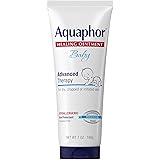
Applying diaper rash cream with every change is like creating an invisible shield for your baby’s skin. After cleaning and drying the area thoroughly with water, a thin layer of cream should be applied before fastening the new diaper. This cream acts as a barrier, preventing moisture and irritants from urine and feces from directly contacting the delicate skin.
Creams containing zinc oxide or petroleum jelly are excellent choices. Zinc oxide, for example, forms a protective layer, helps to soothe inflamed skin, and promotes healing. It’s not just for treating existing diaper soreness; it’s a powerful preventative measure. Skipping this step leaves your baby’s skin vulnerable to the harsh environment inside a diaper, making rash development much more likely.
4. Embrace the Air: Allow Diaper-Free Time
One of the most effective and often overlooked diaper rash solutions is allowing your baby some diaper-free time. The doctor recommends a gap of 10-15 minutes between diaper changes, allowing the air to circulate around your baby’s bottom. This practice is incredibly beneficial for several reasons.
Skin needs to breathe, and constant enclosure in a diaper environment can lead to maceration, where the skin becomes soft and prone to breakdown due to excessive moisture. Giving the skin a chance to air out helps dry any residual moisture and allows the skin’s natural barrier to recover and strengthen. Think of it as airing out a room; it freshens everything up. Even short periods of naked time can significantly reduce the risk of diaper rash, giving your baby’s skin a much-needed break from friction and dampness.
5. Caution with Wipes: Less is Often More
The final crucial precaution, emphasized by the doctor, is to avoid wipes as much as possible. While convenient, the ingredients in many wipes can be harsh on a baby’s sensitive skin. Even “sensitive” or “natural” wipes can sometimes contain hidden irritants.
Opting for pure water and a soft cloth minimizes exposure to potential allergens and chemicals. If wipes must be used, perhaps during an emergency while out, choose those that are fragrance-free, alcohol-free, and ideally, hypoallergenic. However, making water your primary cleaning agent will provide the best defense against diaper skin issues.
Beyond the Basics: Advanced Diaper Rash Prevention and Management
Understanding the fundamental precautions is vital, but parents can take additional steps to ensure optimal diaper health for their little ones. Diaper rash isn’t just about wetness; it’s a complex interplay of factors.
Recognizing the Early Signs of Diaper Rash
Early detection is key. Diaper rash symptoms often begin as slight redness or small bumps in the diaper area. The skin might feel warm to the touch. If left untreated, it can progress to more severe redness, peeling, oozing, or even small open sores. Being vigilant during each diaper change helps catch these signs early, allowing for prompt intervention before the rash worsens.
The Role of Diaper Fit and Size
Believe it or not, the size and fit of the diaper play a significant role in preventing diaper friction and rash. A diaper that’s too small can rub against the skin, causing irritation, while a diaper that’s too large can have gaps that lead to leaks and increased moisture exposure. Always check the weight guidelines on diaper packaging and ensure the leg cuffs and waistband fit snugly but not too tightly. You should be able to comfortably slide two fingers under the waistband.
Dietary Considerations and Diaper Rash
Sometimes, what goes into your baby’s body can affect what comes out and its impact on their skin. Introducing new foods, especially acidic ones, can change the pH of your baby’s stool, making it more irritating. Similarly, antibiotics can sometimes lead to yeast overgrowth, which manifests as a yeast diaper rash, a more stubborn form that requires specific antifungal creams. If you notice a rash coinciding with dietary changes or medication, consult your pediatrician.
When to Seek Medical Advice for Diaper Rash
While most mild diaper rashes respond well to consistent home diaper care, there are times when professional help is needed. If the rash doesn’t improve within a few days of diligent care, spreads rapidly, causes fever, blistering, or oozing sores, it’s time to see a doctor. These could be signs of a bacterial or yeast infection, which require prescription medication. Early consultation can prevent further discomfort for your baby.
Ultimately, fostering a happy, healthy environment for your baby’s delicate skin in the diaper zone boils down to consistency and attention. By embracing frequent changes, prioritizing pure water for cleaning, using a protective barrier cream, and providing ample diaper-free time, you can significantly reduce the risk of diaper rash recurrence. The journey of diapering a baby is a continuous learning experience, and with these proven strategies, you can ensure your little one remains comfortable and joyful. Keep an eye out for the next video, as the doctor will be discussing when and how to transition away from using diapers altogether.
Your Diapering Questions: Answers for Happy Little Ones
Can I use diapers for my newborn baby?
Yes, diapers are safe for babies from newborns up to their first birthday, as long as you follow important precautions to protect their delicate skin.
What are the two main types of diapers?
The two main types are reusable (cloth/cotton) diapers, which are gentle for home use, and disposable diapers, which offer convenience and leakage protection for travel.
How often should I change my baby’s diaper?
You should change your baby’s diaper every 2 to 3 hours, or immediately if it is soiled, to keep their skin dry and prevent irritation.
What should I use to clean my baby’s bottom during a diaper change?
It’s best to use only plain water and a soft cloth to clean your baby’s bottom, and then gently pat the area completely dry. Many baby wipes can contain irritating chemicals.
What is one important way to prevent diaper rash?
Always apply a thin layer of diaper rash cream (like one with zinc oxide) after cleaning and drying your baby’s skin, and allow them some diaper-free time for 10-15 minutes between changes.