When you welcome a new baby into your world, every tiny detail becomes a universe of concern and wonder. I remember holding my newborn, marveling at their impossibly soft skin, yet simultaneously paralyzed by the thought of doing something wrong. It’s a delicate canvas, far more permeable and less resilient than adult skin, making a thoughtful daily baby skin care routine not just a luxury but a fundamental necessity. The video above offers a visual guide, and this article aims to deepen your understanding, providing an expert-level dive into nurturing your infant’s most vulnerable organ.
Understanding the Unique Architecture of Infant Skin
Unlike mature skin, a baby’s skin is still developing its protective capabilities. Its outermost layer, the stratum corneum, is significantly thinner, offering a diminished barrier function against environmental aggressors and moisture loss. Think of it like a freshly painted wall versus one that has cured for months; the new paint is beautiful but more susceptible to nicks and scuffs.
This inherent fragility means infant skin is highly prone to dryness, irritation, and the absorption of substances applied topically. Maintaining its delicate pH balance is crucial, as any disruption can compromise its natural defenses, leaving it vulnerable to issues ranging from common rashes to more complex dermatological conditions.
The Art of the Gentle Baby Bath
Bathing a newborn is more than just cleansing; it’s a sensory experience and a bonding opportunity. However, excessive bathing can strip away natural oils, exacerbating dryness. Experts often recommend bathing infants only two to three times a week during their first year, unless specific circumstances like heavy spit-ups or diaper blowouts necessitate more frequent washing.
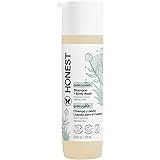
When you do bathe your little one, aim for lukewarm water, around 98-100 degrees Fahrenheit (37-38 degrees Celsius), testing with your elbow to ensure it’s comfortable. Choose a mild, pH-neutral, fragrance-free baby cleanser designed to be gentle on sensitive skin. These formulations are specifically developed to clean without compromising the integrity of the infant skin barrier, helping to prevent irritant contact dermatitis.
Mastering Moisturization for Optimal Skin Hydration
Following a bath, moisturizing is perhaps the most critical step in any effective daily baby skin care routine. The skin is still slightly damp and more receptive to emollients, allowing them to effectively seal in hydration. This process is like applying a topcoat to a freshly painted surface, adding an extra layer of protection and sheen.
Select a thick, fragrance-free cream or ointment rather than a lotion, as creams offer superior occlusive properties. Apply it liberally within minutes of patting your baby dry, paying special attention to areas prone to dryness like the cheeks, knees, and elbows. Regular application, even on non-bath days, helps fortify the skin barrier, reducing trans-epidermal water loss and maintaining suppleness.
Diaper Care: A Cornerstone of Baby Skin Health
Diaper rash is a common adversary for infants, affecting a significant number of babies at some point. Its primary cause is prolonged contact with moisture and irritants from urine and feces. A vigilant diaper care protocol is essential to mitigate this.
- Change soiled diapers promptly, ideally every 2-3 hours or immediately after bowel movements.
- Cleanse the diaper area thoroughly with warm water and a soft cloth, or use fragrance-free, alcohol-free baby wipes.
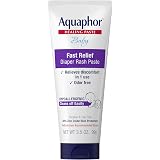
- Allow the skin to air dry completely for a few minutes before applying a generous layer of barrier cream. Zinc oxide or petrolatum-based ointments create a protective shield against moisture and friction.
- If a rash develops, ensure the barrier cream is applied with every change, and consider consulting a pediatrician if it persists or worsens, as it could indicate a fungal infection requiring specific treatment.
Sun Savvy Strategies for Delicate Skin
A baby’s skin, especially infants under six months, lacks the developed melanin production to offer substantial protection against harmful UV radiation. Therefore, direct sun exposure should be strictly limited. Think of their skin as a delicate flower that can easily wilt under harsh sunlight.
When venturing outdoors, dress your baby in lightweight, long-sleeved clothing, wide-brimmed hats, and ensure they remain in the shade. For short periods of unavoidable sun exposure on small areas like the face or back of the hands, a small amount of mineral-based sunscreen (containing zinc oxide or titanium dioxide) can be applied to infants over six months. Always choose a product specifically formulated for babies and patch test first.
Tackling Common Infant Skin Concerns
Despite the most diligent care, some babies may still experience specific skin conditions. These are often benign but require appropriate management:
- Eczema (Atopic Dermatitis): Characterized by dry, red, itchy patches. Emollients are key to management, applied multiple times a day. Your pediatrician may recommend specific topical steroids for flare-ups.
- Cradle Cap (Seborrheic Dermatitis): Oily, yellowish, scaly patches on the scalp. Gently massage baby oil or mineral oil onto the scalp to loosen scales, then brush away with a soft brush before shampooing with a mild baby shampoo.
- Heat Rash (Miliaria): Tiny red bumps caused by blocked sweat glands, especially in skin folds. Keep your baby cool, lightly dressed, and ensure good air circulation.
It is always prudent to consult with your pediatrician or a pediatric dermatologist for any persistent or concerning skin issues. Early intervention can make a significant difference in managing these conditions effectively.
Product Selection Prowess: Curating Your Baby’s Skincare Arsenal
Choosing the right products for your baby’s delicate skin can feel overwhelming with the myriad options available. Adopt a minimalist approach and prioritize ingredients.
Look for products labeled as “hypoallergenic,” “fragrance-free,” “dye-free,” and “paraben-free.” These terms indicate a reduced likelihood of causing irritation or allergic reactions. Avoid harsh chemicals, strong detergents, and unnecessary additives. Always perform a small patch test on a discreet area of your baby’s skin before widespread use, observing for any redness or irritation over 24-48 hours. This meticulous selection process forms the bedrock of a successful daily baby skin care routine, ensuring you’re providing the safest and most nurturing environment for your little one’s evolving epidermis.
Gentle Answers for Your Baby’s Delicate Skin Queries
Why is a baby’s skin different from an adult’s?
A baby’s skin is thinner and less developed, making it more delicate and prone to dryness, irritation, and the absorption of substances. Its protective barrier is not as strong as adult skin.
How often should I bathe my newborn baby?
It’s often recommended to bathe infants only two to three times a week during their first year, as too much bathing can strip away natural oils and cause dryness.
Why is it important to moisturize my baby’s skin after a bath?
Moisturizing after a bath is crucial because the skin is still damp and more receptive, allowing emollients to effectively seal in hydration. This helps protect the skin barrier and keeps it supple.
What kind of skincare products should I choose for my baby?
Look for products labeled ‘hypoallergenic,’ ‘fragrance-free,’ ‘dye-free,’ and ‘paraben-free’ to minimize the risk of irritation. Always perform a patch test on a small area of skin first.
How can I help prevent diaper rash for my baby?
To prevent diaper rash, change soiled diapers promptly, clean the area thoroughly with warm water or fragrance-free wipes, allow the skin to air dry, and apply a barrier cream like zinc oxide.