As a new parent, the world of baby products can feel overwhelming. Imagine standing in the store aisle, faced with countless bottles, creams, and wipes. Each promises the best for your little one. You might wonder which choices are truly safe. That’s where expert guidance becomes invaluable.
The video above offers a quick, dermatologist-approved overview. It highlights essential categories for baby skincare. Yet, navigating those choices often requires more detail. This guide expands on those key recommendations. It offers practical insights for your baby’s delicate skin. We aim to simplify your search. We help you make informed decisions.
Understanding Your Baby’s Delicate Skin
Baby skin is incredibly unique. It is much thinner than adult skin. This means it’s more permeable. It absorbs substances more easily. However, its barrier function is still developing. This makes it more prone to dryness and irritation. It also makes it more sensitive to environmental factors. Chemicals and fragrances can cause issues. Protecting this delicate barrier is key. Proper baby skincare supports healthy development.
Why Baby Skin Needs Special Care
Infants have a higher surface-to-volume ratio. They lose moisture faster. Their sweat glands are not fully mature. They can overheat easily. Their immune system is also still maturing. This makes them more susceptible. Infections and allergic reactions are bigger risks. Choosing the right products truly matters.
Gentle Cleansing: Dermatologist-Approved Body Washes
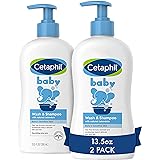
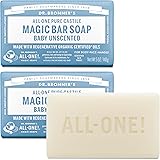
The video points to specific body washes. But what makes them “approved”? The answer lies in their formulation. Baby cleansers must be extremely mild. They should not strip natural oils. Harsh soaps can compromise the skin barrier. This leads to dryness. It also causes irritation. Instead, look for gentle, hydrating options.
What to Look For in Baby Body Washes
- pH-Balanced: Baby skin has a slightly acidic pH. This helps protect against bacteria. Products should match this.
- Fragrance-Free: Fragrances are common irritants. They often cause allergic reactions. Always choose fragrance-free formulas.
- Hypoallergenic: These products are less likely to cause allergies. They are formulated to minimize irritants.
- Tear-Free: This indicates a very gentle formula. It ensures comfort for your baby.
- Sulfate-Free: Sulfates can be harsh detergents. They create lather but can strip moisture.
Imagine if a harsh soap stripped your baby’s natural oils. Their skin would feel tight. It would be itchy. Conversely, a gentle body wash cleans effectively. It maintains skin hydration. Opt for short, lukewarm baths. A quick bath every 2-3 days is often enough. Use only a small amount of product.
Sun Safety: Essential Baby Sunscreen Choices
Sun protection is vital for all ages. For babies, it’s even more critical. Their skin burns easily. This increases future skin cancer risk. The video quickly recommends sunscreen. However, special rules apply to infants. Babies under six months require different considerations.
Protecting Infants from the Sun
The American Academy of Pediatrics advises caution. Keep babies under six months out of direct sunlight. Dress them in lightweight clothing. Use wide-brimmed hats. Seek shade whenever possible. For unavoidable sun exposure, apply a minimal amount of sunscreen. Focus on small, exposed areas. For babies six months and older, sunscreen becomes a primary tool. However, it’s not the only defense. Continue using protective clothing. Maintain shade as much as possible.
Choosing the Right Baby Sunscreen
Not all sunscreens are equal for infants. Dermatologists recommend mineral sunscreens. These use physical blockers. Zinc oxide and titanium dioxide are the active ingredients. They sit on the skin’s surface. They reflect UV rays. Chemical sunscreens absorb UV light. These may cause irritation for sensitive baby skin.
- SPF 30 or Higher: This offers robust protection. Reapply every two hours. Reapply after swimming or sweating.
- Mineral-Based: Look for zinc oxide and/or titanium dioxide. These are gentle and effective.
- Broad-Spectrum: Protects against both UVA and UVB rays. UVA causes aging. UVB causes burning.
- Fragrance-Free: Again, avoid potential irritants.
Think about direct sun on fragile skin. Sunburn can occur rapidly. It is painful. It causes lasting damage. Instead, imagine a baby playing safely in the shade. They are dressed in light, protective clothing. Their skin is shielded from harmful rays. Proper sunscreen application supports this safety.
Nurturing Hydration: Top Baby Moisturizers
Moisturizers are crucial for baby skin health. The video lists “these” as top choices. Healthy skin maintains its moisture barrier. This prevents dryness and cracking. Dry skin can be itchy. It can lead to discomfort. It may even worsen conditions like eczema. Regular moisturizing helps fortify this barrier.
Selecting the Best Baby Moisturizer
The best moisturizers contain specific ingredients. Emollients smooth and soften skin. Humectants draw moisture into the skin. Look for products designed for sensitive skin. These are often thicker creams or ointments. Lotions can be good for everyday use. Creams offer more intensive hydration. Ointments provide the strongest barrier protection.
- Fragrance-Free and Dye-Free: Minimizes irritation risks.
- Hypoallergenic: Formulated for sensitive skin types.
- Contains Ceramides or Glycerin: These are powerful humectants and emollients. They support skin barrier function.
- Non-Comedogenic: This means it won’t clog pores.
Apply moisturizer immediately after a bath. Pat the skin gently dry. Then apply the cream generously. This locks in moisture. Repeat application throughout the day. Do this as needed for dry patches. Imagine soft, well-hydrated skin. It’s resilient. It feels comfortable. That’s the power of consistent moisturizing.
Beyond the Basics: Comprehensive Baby Skin Health Tips
While washes, sunscreens, and moisturizers are fundamental, other daily habits also impact baby skin. These additional tips provide an even more comprehensive approach to baby skincare. They help address common concerns.
Diaper Care Essentials
Diaper rash is a frequent issue. Change diapers often. Keep the area clean and dry. Use a barrier cream. Look for creams with zinc oxide or petroleum jelly. These create a protective layer. They shield skin from wetness and irritants.
Laundry Detergent Choices
Your baby’s clothes touch their skin constantly. Choose hypoallergenic laundry detergents. Opt for fragrance-free options. Avoid fabric softeners or dryer sheets. These can leave irritating residues. Rinse clothes twice if your baby has very sensitive skin.
Dress for Success
Dress your baby in breathable fabrics. Cotton is an excellent choice. Avoid rough or synthetic materials. Overheating can lead to heat rash. Dress your baby in layers. Adjust clothing as temperatures change.
Patch Testing New Products
Always test new baby skincare products. Apply a small amount to a discreet area. The inner arm or behind the ear works well. Wait 24-48 hours. Check for any redness or irritation. This prevents widespread reactions.
When to Consult a Dermatologist
While this guide offers general advice, specific skin concerns need professional input. If your baby develops persistent rashes, severe dryness, or unusual skin changes, seek expert help. A pediatric dermatologist can diagnose conditions. They provide tailored treatment plans. Trust your instincts as a parent. Never hesitate to get professional opinions.
Making informed choices for your little one’s skin is a continuous journey. By understanding their unique needs, selecting dermatologist-approved baby care products, and practicing consistent good habits, you establish a strong foundation for their lifelong skin health.
Dermatologist-Approved Answers for Your Baby Skin Queries
Why is baby skin different from adult skin?
Baby skin is much thinner and more permeable than adult skin. Its protective barrier is still developing, making it more sensitive to irritants and prone to dryness.
What should I look for when choosing a baby body wash?
You should choose a body wash that is pH-balanced, fragrance-free, hypoallergenic, tear-free, and sulfate-free. These qualities help protect your baby’s delicate skin barrier.
How should I protect my baby from the sun?
For babies under six months, keep them out of direct sunlight using hats, clothing, and shade. For babies six months and older, use mineral-based sunscreen with SPF 30 or higher on exposed areas, in addition to protective clothing and shade.
When should I apply moisturizer to my baby’s skin?
Apply moisturizer immediately after a bath to lock in moisture. You can also reapply it throughout the day as needed, especially on any dry patches.
What is a quick way to check if a new baby product will irritate my baby’s skin?
Always perform a patch test by applying a small amount of the product to a discreet area, like the inner arm, and waiting 24-48 hours to check for any redness or irritation.