Demystifying Diaper Safety: Beyond the Basics for Your Baby’s Skin Health
How safe are the diapers cradling your baby’s delicate skin? It’s a crucial question, and as discussed in the accompanying video featuring experts like Dr. Imran Patel, the answer isn’t always straightforward. While modern diapers offer unparalleled convenience, their safety is profoundly linked to their composition and the presence of certain chemicals. The real challenge for parents lies in understanding what goes into these everyday essentials. The primary concern revolves around particular chemical compounds, often added for specific functions like elasticity or fragrance. Unfortunately, these additives can act like unwanted passengers, subtly impacting your baby’s tiny system and delicate skin. Prioritizing **diaper safety** means looking beyond the marketing claims and truly scrutinizing ingredient lists. This deeper dive is essential for informed decision-making regarding your child’s well-being.Unmasking Hidden Chemicals in Diapers: VOCs, Phthalates, and More
Many parents are surprised to learn about the array of chemical components that can be found in conventional diapers. These aren’t always explicitly listed, making it a challenge to assess potential risks. However, understanding the most common culprits allows for more vigilant selection.Volatile Organic Compounds (VOCs): An Invisible Threat
Volatile Organic Compounds, or VOCs, are a family of carbon-containing chemicals that readily vaporize into the air at room temperature. In diapers, these compounds can originate from various manufacturing processes or from the materials themselves. Imagine your baby’s skin as a highly permeable membrane, acting like a delicate sponge capable of absorbing these airborne elements. Exposure to VOCs can manifest as respiratory irritation, headaches, and even skin sensitivity, potentially contributing to common issues like diaper rash. Some common VOCs found in baby products include toluene, xylene, and ethylbenzene, though manufacturers often don’t disclose them. These substances are a stark contrast to the pure, gentle environment desired for an infant. While levels in individual diapers might seem low, cumulative exposure over countless diaper changes raises valid concerns for long-term health. Choosing diapers with low VOC emissions is a significant step towards enhanced **diaper safety**.Phthalates: The Plasticizers with a Punch
Phthalates are another group of chemicals that have drawn considerable scrutiny in baby products. These compounds are typically used as plasticizers, which means they are added to plastics to increase their flexibility, durability, and transparency. In the context of diapers, phthalates might be found in the waterproof outer layer or elastic components, offering that desired stretch and resistance. Think of them as silent architects, shaping the physical properties of the diaper without any direct benefit to the baby. However, the concern with phthalates is their role as endocrine disruptors, substances that can interfere with the body’s hormonal system. This interference can potentially lead to developmental, reproductive, and other health problems, particularly in vulnerable infants. Research suggests links between phthalate exposure and altered hormone levels, which warrants extreme caution. Opting for phthalate-free diapers is a proactive measure in safeguarding your baby’s developmental trajectory and ensuring true **diaper safety**.Fragrances and Dyes: A Scented and Colored Compromise?
Many conventional diapers feature added fragrances, designed to mask odors, and dyes, often used for cute patterns or wetness indicators. While these additions might seem benign or even appealing, they are frequently complex mixtures of chemicals, some of which are known allergens and irritants. The “fragrance” ingredient on a label can represent dozens of undisclosed chemicals, creating a hidden cocktail. This opacity makes it impossible for parents to know what specific substances their baby is exposed to. Dyes, similarly, can contain heavy metals or other irritants that trigger allergic reactions or contact dermatitis on sensitive baby skin. Contrastingly, unbleached, undyed, and unscented diapers strip away these unnecessary complexities, reducing the potential for irritation. It’s like comparing a vibrant, chemically-treated flower to a naturally grown, pure blossom; the latter offers uncompromised beauty without hidden risks. Prioritizing fragrance-free and dye-free options is a simple yet powerful way to elevate **diaper safety**.The Science Behind Skin Irritation: How Diaper Chemicals Affect Babies
A baby’s skin is not merely a scaled-down version of adult skin; it possesses unique characteristics that make it particularly vulnerable to chemical exposure. It is thinner, has a less developed barrier function, and a higher surface-area-to-body-weight ratio. This combination means that chemicals can penetrate more easily and affect a larger proportion of their small bodies. Consequently, issues like diaper rash are not always solely due to wetness or friction. The persistent contact of chemicals like VOCs, phthalates, fragrances, and dyes with this delicate skin can disrupt its natural microbiome and integrity. This disruption manifests as redness, inflammation, and itchiness, paving the way for secondary infections. It’s a subtle, ongoing chemical attack on a system designed for pure, gentle interaction. Understanding this biological reality underscores the critical importance of selecting chemically conscious products for optimal **baby diaper safety**.Navigating the Diaper Aisle: A Guide to Choosing Safer Options
Given the complexities of diaper ingredients, navigating the market can feel overwhelming. However, armed with knowledge, parents can make informed choices that prioritize their baby’s health. The goal is to minimize exposure to potentially harmful substances while maintaining efficacy and comfort.Deciphering Labels: What “Free From” Really Means
When scanning diaper packaging, look for labels that explicitly state “free from” certain chemicals. Terms like “chlorine-free,” “phthalate-free,” “fragrance-free,” “dye-free,” and “lotion-free” are strong indicators of a safer product. However, it’s vital to differentiate between truly comprehensive claims and mere marketing ploys. Some brands might highlight being free from one chemical while still containing others of concern. Furthermore, look for independent certifications from reputable organizations. These certifications, such as those for organic materials or hypoallergenic claims, often signify that a product has undergone rigorous testing. Think of these certifications as trustworthy seals of approval, offering an extra layer of assurance for enhanced **diaper safety**. They help cut through the marketing noise, pointing you toward genuinely safer alternatives.Material Matters: Exploring Organic and Sustainable Diaper Choices
The core materials of a diaper play a crucial role in its overall safety profile. Traditional diapers often use a blend of synthetic polymers and wood pulp. However, a growing number of brands are offering options made from more natural and sustainable materials. Consider diapers crafted from organic cotton, bamboo, or other plant-based fibers. These materials are inherently softer and often cultivated without harsh pesticides. Beyond being gentle on the skin, these sustainable options frequently avoid the chemical bleaching processes that can introduce dioxins, another potential concern. The move towards biodegradable components also reflects a broader commitment to health, both for the baby and the planet. Choosing materials that are both gentle and responsibly sourced is a powerful way to promote both **baby diaper safety** and environmental stewardship.The Importance of Absorbency and Breathability
While chemical composition is paramount, the practical attributes of a diaper—absorbency and breathability—are equally critical for skin health. A highly absorbent diaper minimizes skin contact with wetness, reducing the risk of irritation and bacterial growth. Good breathability, on the other hand, allows air to circulate, preventing the trapped moisture and heat that can create a perfect breeding ground for rash-causing microorganisms. Think of a breathable diaper as allowing the skin to “exhale,” preventing a humid, uncomfortable environment. Even the safest, chemical-free diaper can contribute to skin issues if it fails in these areas. It’s a delicate balance: a diaper must be strong enough to contain waste yet gentle and airy enough to protect the skin. Therefore, when evaluating **diaper safety**, consider not just what’s *in* the diaper, but also how effectively it performs its core function.Beyond Chemicals: Best Practices for Optimal Diaper Safety
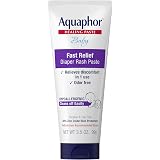
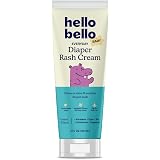
Even with the safest diapers, routine care plays a pivotal role in preventing skin issues and maximizing comfort. It’s a holistic approach that combines product selection with diligent parenting practices. Regular diaper changes are fundamental; a wet or soiled diaper, regardless of its chemical composition, will inevitably irritate the skin. Aim to change diapers frequently, especially after bowel movements, to keep the skin dry and clean. Proper cleaning techniques are also essential. Gently clean the diaper area with plain water or a mild, fragrance-free wipe during each change. Pat the skin dry thoroughly before applying a new diaper, as residual moisture can exacerbate irritation. Applying a thin layer of a natural barrier cream, like zinc oxide or petroleum jelly, can offer an extra layer of protection, particularly at bedtime or if your baby is prone to rashes. These simple yet effective practices complement your choice of safer diapers, ensuring comprehensive **diaper safety** for your little one’s delicate skin.The Long-Term Picture: Investing in Your Baby’s Skin Health
The choices parents make regarding baby products, especially those in constant contact with their skin, have cumulative effects. Investing in high-quality, chemical-free diapers isn’t just about preventing immediate rashes; it’s about minimizing exposure to potential endocrine disruptors and irritants over critical developmental stages. Each small decision contributes to a larger picture of health and well-being. Think of it as laying a robust foundation for your child’s future health, stone by delicate stone. Choosing products that prioritize **diaper safety** is a powerful act of preventive care.Unwrapping Your Diaper Safety Questions: A Q&A with Dr. Imran Patel
What is the main concern about baby diapers?
The main concern is that modern diapers can contain certain chemicals added for functions like elasticity or fragrance, which might affect a baby’s delicate skin and tiny system.
What are some common harmful chemicals found in diapers?
Common harmful chemicals to look out for include Volatile Organic Compounds (VOCs), Phthalates, and artificial fragrances and dyes.
Why is a baby’s skin more sensitive to these chemicals than adult skin?
A baby’s skin is thinner and has a less developed protective barrier, making it more permeable and vulnerable to absorbing chemicals.
How can I choose safer diapers for my baby?
Look for diapers explicitly labeled ‘free from’ chemicals like chlorine, phthalates, fragrances, and dyes, and consider options made from organic or plant-based materials with independent certifications.
Besides choosing safer diapers, what else can I do to protect my baby’s skin?
Ensure frequent diaper changes, clean the area gently with water or mild wipes, thoroughly pat the skin dry, and use a natural barrier cream if needed.