The journey of parenthood is beautiful, filled with countless precious moments. But it also comes with a unique set of responsibilities, especially when it comes to safeguarding your little one’s well-being. As the delightful video above illustrates, there’s a clear distinction between what’s suitable for adults and what our tiny angels truly need. We often hear that certain things aren’t made for babies, and this holds especially true for their health and hygiene products.
The core issue here is simple: baby skin and their developing systems are incredibly delicate. Using adult-formulated detergents, soaps, lotions, or other hygiene items on an infant can lead to discomfort, irritation, and even more significant health concerns. The solution, as highlighted, lies in choosing products that are both gentle and effective against germs, designed specifically with your baby’s unique needs in mind. This means stepping away from harsh chemicals and opting for mild, baby-safe alternatives that provide that ‘extra’ care your darling deserves.
Understanding Your Baby’s Unique Needs for Health and Hygiene
Imagine a tiny, budding flower. Its petals are soft, its stem fragile, and it requires a very specific type of soil and sunlight to thrive. Your baby’s skin is much like that flower. It’s not just a miniature version of adult skin; it possesses distinct characteristics that demand special attention, making effective baby health and hygiene a paramount concern for all parents.
A baby’s skin is notably thinner than an adult’s, making it more permeable. This means it can absorb substances more readily, both good and bad. Its protective outer layer, known as the skin barrier, isn’t fully developed. This immature barrier offers less resistance against environmental irritants, allergens, and harmful bacteria. Think of it like a new coat of paint that hasn’t fully dried yet – it’s vulnerable and needs gentle handling.
Furthermore, an infant’s skin pH is different. While adult skin is typically more acidic, a baby’s skin tends to be closer to neutral, making it more susceptible to changes and disruptions from harsh chemicals. This delicate balance is easily thrown off by products not specifically formulated for them, potentially leading to dryness, rashes, and discomfort.
Why Adult Products Aren’t Suitable for Baby Hygiene
It’s tempting to think that if a product is safe for you, it must be safe for your baby. However, this common misconception can lead to unintended harm. The vibrant advertising for adult detergents and hygiene products often highlights features like “powerful cleaning,” “strong fragrance,” or “deep exfoliation.” While these might appeal to adults, they are precisely what makes them unsuitable for infant care.
Adult detergents, for instance, often contain potent enzymes, optical brighteners, and strong fragrances designed to tackle tough stains and leave clothes smelling fresh. For delicate baby skin, these ingredients are akin to rubbing sandpaper on a rose petal. They can strip away natural oils, disrupt the skin barrier, and trigger allergic reactions or contact dermatitis. A baby’s sensitive skin doesn’t need aggressive cleaning; it needs mild, hypoallergenic formulas that rinse clean without leaving irritating residues.
Similarly, adult soaps, shampoos, and lotions typically contain stronger surfactants, more concentrated perfumes, and ingredients that might be too harsh for a baby’s eyes or skin. Products with dyes and preservatives, common in adult ranges, can also be potential irritants. When we talk about baby hygiene, the goal is not just cleanliness but also ensuring the process itself is nurturing and gentle, providing germ protection without compromise.
Choosing the Right Baby Health and Hygiene Products
Navigating the vast array of baby products can feel overwhelming, but focusing on key characteristics can simplify the choice for optimal baby health and hygiene. The aim is to find items that are both ‘saumya’ (gentle) and ‘asar-daar’ (effective against germs), ensuring your baby receives the best care without any harshness.
Gentle Cleansing for Baby Hygiene
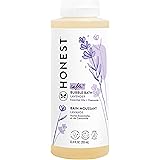
When selecting baby washes, shampoos, and soaps, always look for phrases like “tear-free,” “pH-balanced,” “hypoallergenic,” and “dermatologist-tested.” These indicators suggest the product has been formulated to minimize irritation and maintain the natural balance of your baby’s skin. Opt for fragrance-free or mildly scented options, as strong perfumes can be potent allergens.
Consider products that contain natural, soothing ingredients like aloe vera, chamomile, or calendula, which can help calm and moisturize delicate baby skin. Remember, the goal of bathing is to gently clean and remove dirt and potential irritants, not to strip the skin of its natural oils. A short, warm bath with a mild baby wash is far more beneficial than a long soak with an adult product.
Laundry Care: A Key Aspect of Baby Health and Hygiene
Your baby’s clothes, blankets, and bedding are in constant contact with their skin, making baby-specific detergent an absolute must. Look for detergents explicitly labeled “for babies” or “sensitive skin.” These are typically:
- **Dye-free:** Artificial dyes can be significant irritants.
- **Fragrance-free:** Perfumes are common allergens.
- **Hypoallergenic:** Formulated to minimize allergic reactions.
- **Gentle on fabrics:** While cleaning effectively, they don’t use harsh chemicals that could damage delicate baby clothes or leave residues.
Always ensure that baby clothes are rinsed thoroughly to remove any detergent residue, which can irritate sensitive baby skin even if the detergent is mild. Double rinsing is often a good practice for newborn hygiene, providing peace of mind for parents.
Moisturizing and Skincare
After a bath, a gentle baby moisturizer can help lock in moisture and protect the skin barrier. Again, choose products specifically designed for infants, preferably fragrance-free and free from parabens or phthalates. If your baby experiences dry patches or cradle cap, consult with your pediatrician for specific recommendations, but generally, mild baby lotions or creams are ideal for daily use, supporting overall baby health and hygiene.
Essential Baby Hygiene Practices Beyond Products
While choosing the right baby health and hygiene products is crucial, establishing consistent hygiene routines is equally important. These practices form the foundation of your infant care routine and contribute significantly to their overall health.
Regular diaper changes are fundamental. Wet or soiled diapers can quickly lead to diaper rash, which is uncomfortable for your baby and can be persistent. Use gentle baby wipes, or even warm water and a soft cloth, for cleaning during changes. Always allow the area to air dry slightly before applying a thin layer of diaper rash cream if needed, and then put on a fresh diaper. This simple step goes a long way in preventing skin irritation.
Hand hygiene for caregivers is another non-negotiable aspect of infant care. Before handling your baby, feeding them, or changing their diaper, always wash your hands thoroughly with soap and water or use an alcohol-based hand sanitizer. Babies have immature immune systems, so preventing the transfer of germs from caregivers is vital for their protection. Educating other family members and visitors about this practice can also significantly reduce the risk of illness.
Keeping your baby’s environment clean also plays a part. Regularly wipe down surfaces your baby touches, clean their toys, and ensure their bedding is fresh. This doesn’t mean sterilizing everything, but rather maintaining a reasonable level of cleanliness to minimize germ exposure, which is particularly important during the early stages of newborn care. Prioritizing effective baby health and hygiene is a cornerstone of responsible parenting.
Angelic Answers for Your Little Angel’s Health & Hygiene
Why can’t I use adult hygiene products for my baby?
Adult products often contain harsh chemicals, strong fragrances, and potent ingredients that can irritate a baby’s very delicate and developing skin. Babies need gentle, mild products specifically designed for them.
How is a baby’s skin different from an adult’s?
A baby’s skin is much thinner and more permeable, meaning it absorbs things more easily. It also has a less developed protective barrier and a different pH balance, making it more prone to irritation.
What should I look for when choosing baby hygiene products?
You should look for products that are labeled ‘tear-free,’ ‘pH-balanced,’ ‘hypoallergenic,’ and ‘dermatologist-tested.’ It’s also best to choose options that are dye-free and fragrance-free to minimize irritation.
What important hygiene practices should I follow for my baby, besides using special products?
Key practices include regular diaper changes to prevent rashes, and caregivers always washing their hands thoroughly before touching the baby. It’s also important to keep your baby’s environment and toys clean.