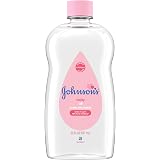
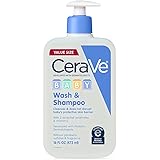
The delicate skin of a newborn requires meticulous care, especially when subjected to the harsh conditions of winter. As noted in the accompanying video, simple adjustments to daily routines can make a significant difference in preventing dry newborn skin. Understanding the unique vulnerabilities of infant skin in cold weather is the first step toward effective baby skin care in winter, ensuring comfort and health for your little one.
Protecting Delicate Baby Skin in Winter: Essential Care Tips
Winter presents a particular challenge for infant skin. The cold, dry air outdoors combined with heated indoor environments can quickly strip moisture, leading to dryness, chapping, and irritation. A baby’s skin barrier is still developing, making it more susceptible to environmental factors compared to adult skin.
Indeed, research indicates that an immature skin barrier function, often found in infants, makes them particularly vulnerable to transepidermal water loss. This condition is worsened by low humidity and cold temperatures, which are characteristic of winter. Implementing thoughtful skin care strategies becomes crucial for maintaining skin integrity.
Understanding Baby Skin Sensitivity in Cold Weather
A baby’s skin is often described as being like a fresh canvas, incredibly soft yet surprisingly fragile. It is thinner than adult skin and lacks the robust protective barrier that develops over time. This means essential moisture can escape more easily, and potential irritants can penetrate with less resistance.
When the air is dry, whether from outdoor winter winds or indoor heating, moisture is drawn away from the skin. This effect can leave an infant’s skin feeling rough, flaky, or even leading to red, chapped patches. Prioritizing skin hydration and protection is therefore paramount during these months.
Gentle Bathing Practices for Winter Baby Skin Care
One of the key recommendations for baby skin care in winter, as highlighted in the video, involves rethinking bath time. Daily bathing, while seemingly hygienic, can inadvertently remove the natural oils that protect a baby’s skin. These oils are vital for maintaining the skin’s natural barrier.
It is often advised that bathing frequency for infants in winter be reduced to two or three times a week. When a bath is given, the water temperature should be comfortably warm, not hot, and bath times should be kept short, ideally between five to ten minutes. Prolonged exposure to water can actually dehydrate the skin, similar to a sponge left out to dry after being fully saturated.
The Art of Drying and Immediate Moisturization
After a bath, the method of drying holds significant importance. Rather than rubbing the skin vigorously, which can cause friction and irritation, the skin is gently patted dry with a soft towel. This approach ensures that a small amount of moisture is left on the skin’s surface, preparing it for the next crucial step.
The immediate application of moisturizer after drying is a practice known as “seal and heal.” It helps to lock in the residual moisture, forming a protective layer over the skin. This immediate step is far more effective than applying moisturizer to completely dry skin, as it actively traps the hydration within the epidermal layers.
Choosing the Right Moisturizer for Newborns
Selecting an appropriate moisturizer for dry newborn skin is critical. Products rich in emollients, such as creams and ointments, are generally preferred over lotions, especially during colder months. Lotions contain more water and less oil, making them less effective at creating a lasting barrier against moisture loss.
Ingredients like shea butter, colloidal oatmeal, petroleum jelly, or mineral oil are often recommended for their occlusive properties. These ingredients create a physical barrier on the skin’s surface, preventing water from evaporating. A hypoallergenic, fragrance-free formula is always the safest choice, minimizing the risk of irritation or allergic reactions.
Creating a Skin-Friendly Environment at Home
The indoor environment plays a significant role in baby skin care in winter. While heating systems are essential for comfort, they can dramatically reduce indoor humidity levels. This creates a dry atmosphere that actively draws moisture from the skin, exacerbating issues like dry, chapped skin.
Maintaining a balanced indoor climate is key to supporting healthy infant skin. This involves not only managing temperature but also addressing humidity levels. Small adjustments can yield substantial benefits for your baby’s delicate skin.
The Role of Humidifiers and Safe Heating
The video suggests using an oil heater, which typically provides a more even and less drying heat than some other electric heaters. However, regardless of the heating type, a humidifier can be a powerful ally in combating dry air. A cool-mist humidifier adds essential moisture back into the air, creating a more skin-friendly environment.
A humidity level between 40-60% is generally considered optimal for indoor comfort and skin health. Regular cleaning of the humidifier is essential to prevent mold and bacterial growth, ensuring that the air remains clean. Room temperatures between 68-72 degrees Fahrenheit (20-22 degrees Celsius) are usually ideal, preventing both overheating and excessive dryness.
Preventing Scratches and Irritation: Nail Care for Infants
Keeping a baby’s fingernails short is a practical tip highlighted in the video, and for good reason. Babies often scratch themselves inadvertently, especially when they have dry or itchy skin. These tiny scratches, while seemingly minor, can break the skin barrier and introduce bacteria, potentially leading to infection or further irritation.
Infant nail clippers with rounded edges, a soft emery board, or baby nail scissors can be used to trim nails. It is often easiest to perform this task when the baby is asleep or after a bath when their nails are softer. Regular nail checks are a small but important part of comprehensive baby skin care in winter.
Selecting Safe and Effective Baby Products
The final crucial piece of advice for preventing dry newborn skin is to always use products specifically formulated for delicate baby skin. The market is saturated with various baby products, but discerning the truly skin-friendly options requires attention to ingredients. Baby skin is highly absorbent, meaning whatever is applied to its surface can be readily absorbed into the body.
Therefore, product selection should be approached with an understanding of what helps and what harms. Focusing on gentle, minimalist formulations will always serve a baby’s skin best, especially during the challenging winter months when the skin barrier is more compromised.
Ingredients to Look For and Avoid
When selecting cleansers, moisturizers, and other baby skin care products, it is wise to seek out terms like “hypoallergenic,” “fragrance-free,” and “dye-free.” Products labeled as pH-neutral are also beneficial, as they help maintain the skin’s natural acidic mantle. Ingredients such as ceramides, glycerin, and hyaluronic acid can provide excellent hydration and support the skin barrier.
Conversely, ingredients to avoid include strong fragrances, harsh soaps, parabens, phthalates, and sulfates. These chemicals can be irritants or allergens for sensitive baby skin, stripping natural oils and potentially disrupting the skin’s delicate balance. A patch test on a small area of skin is always a sensible precaution when introducing any new product.
Advanced Tips for Preventing Dry Newborn Skin
Beyond the fundamental tips, there are additional measures that can be incorporated into a baby’s winter routine. These practices further enhance skin health and offer a holistic approach to baby skin care in winter. The goal is to build resilience in the skin, making it more robust against environmental stressors.
These advanced tips often focus on promoting overall skin wellness rather than just reactive treatment of dryness. Integrating them thoughtfully can lead to consistently soft and healthy skin throughout the colder months, minimizing the need for intervention.
Gentle Massage and Hydration
A gentle massage with a suitable baby oil or emollient can be a wonderfully soothing and beneficial practice. Massage not only enhances the bond between parent and baby but also helps the moisturizer penetrate more effectively. It stimulates blood flow to the skin, which can aid in nutrient delivery and waste removal, contributing to overall skin vitality.
While external hydration is vital, internal hydration should not be overlooked. For breastfed babies, consistent feeding ensures they receive adequate fluids. For formula-fed infants, proper water intake for their age and weight is important, as recommended by a pediatrician. Hydrated bodies mean healthier skin from within.
Recognizing and Addressing Persistent Dryness
Despite best efforts, some babies may experience persistent dry skin, especially during harsh winter conditions. It is important for parents to be attentive to any changes in their baby’s skin. Redness, cracking, intense itching, or signs of discomfort warrant closer attention. These symptoms could indicate a more significant skin condition, such as eczema or dermatitis, which might require medical advice.
If home care strategies do not alleviate dry skin within a reasonable period, or if the condition worsens, consulting a pediatrician or a pediatric dermatologist is recommended. These professionals can provide a diagnosis and suggest appropriate treatment plans, ensuring that your baby receives the most effective care for their unique skin needs.
Winter Skin Soothers: Your Baby Care Questions Answered
Why is my baby’s skin more prone to dryness in winter?
A baby’s skin barrier is still developing and is thinner than adult skin, making it more susceptible to moisture loss. Cold, dry air outdoors and heated indoor environments can quickly strip moisture from their delicate skin.
How often should I bathe my baby during the winter months?
It is generally advised to reduce bathing frequency to two or three times a week in winter. Keep bath times short (5-10 minutes) and use comfortably warm, not hot, water.
What kind of moisturizer is best for preventing dry newborn skin?
Choose thick creams and ointments rich in emollients, rather than lotions, as they are more effective at creating a protective barrier. Look for hypoallergenic, fragrance-free products with ingredients like shea butter or petroleum jelly.
How can I help prevent dry skin for my baby inside my home?
Heating systems can dry out the air, so consider using a cool-mist humidifier in your baby’s room. Aim for an indoor humidity level between 40-60% to add essential moisture back into the air.
Why is it important to keep my baby’s nails short?
Keeping your baby’s fingernails short helps prevent them from accidentally scratching themselves, especially if their skin is dry or itchy. Scratches can break the skin barrier and potentially lead to irritation or infection.