Bringing a new baby home marks the beginning of an incredible journey, filled with countless moments of joy, discovery, and sometimes, a little bit of overwhelm. As the video above wisely points out, caring for your baby’s delicate skin, hair, and nails can feel like a big responsibility, even if you’ve been through it before. New parents often find themselves navigating a sea of advice, wondering what’s truly best for their little one’s sensitive system. Rest assured, you’re not alone in these feelings. The good news is that with a few simple, dermatologist-recommended practices, you can confidently protect and nurture your baby’s most precious assets.
This comprehensive guide builds upon the excellent foundational tips shared in the video, delving deeper into the why and how of maintaining your baby’s skin, hair, and nail health. We’ll explore each aspect in more detail, providing practical insights to help you establish a routine that keeps your infant comfortable, healthy, and happy.
Gentle Cleansing: The Art of Baby Bathing
Keeping your baby clean is fundamental, but it’s a delicate balance. Babies don’t need daily baths like adults do, as excessive washing can strip their skin of natural oils, leading to dryness and irritation. Board-certified dermatologists recommend bathing your baby two to three times a week. This frequency is usually sufficient to keep them clean without over-drying their ultra-sensitive skin.
From Sponge Baths to Soaks: A Smooth Transition
The journey from sponge baths to full tub baths is an important milestone. When your baby first arrives, and until their umbilical cord stump completely falls off and the area heals—typically within 1-3 weeks—sponge baths are the safest option. This prevents the cord area from getting wet, which is crucial for proper healing and to avoid infection.
How to give a gentle sponge bath:
- Gather your supplies: a basin of lukewarm water, two soft washcloths, a mild, fragrance-free baby soap and shampoo, a clean towel, a fresh diaper, and clean clothes.
- Choose a warm room to prevent your baby from getting chilled.
- Lay your baby on a soft, flat surface, like a changing table or on a towel on the floor.
- Keep your baby wrapped in a towel, exposing only the area you’re washing.
- Use one damp washcloth (no soap) to gently wipe your baby’s face and head.
- Apply a tiny amount of soap to the second wet washcloth. Gently clean dirty areas like neck creases, armpits, and the diaper area.
- Rinse thoroughly with the clean, damp washcloth.
- Pat your baby dry and dress them quickly to maintain body temperature.
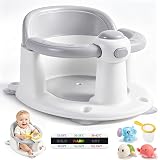
Once the umbilical cord has healed, you can transition to traditional tub baths. Use a baby-specific bathtub or a clean, shallow sink. Always ensure the water is lukewarm—test it with your elbow or a bath thermometer; it should feel comfortable, not hot. Keep the bath short, around 5-10 minutes, and never leave your baby unattended, not even for a second.
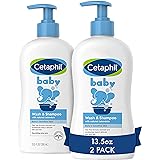
Always opt for mild, fragrance-free baby soap and shampoo. Fragrances, dyes, and harsh chemicals found in many adult products can irritate a baby’s delicate skin, potentially leading to rashes or allergic reactions. Look for products labeled “hypoallergenic” and “tear-free” that are specifically designed for infants. Remember to apply soap only to areas that are visibly dirty or prone to sweat and build-up, such as the diaper area and skin folds, and rinse everything off completely to avoid residue that can irritate.
Battling Diaper Rash: Prevention and Care
Diaper rash is a common skin concern for infants, but with consistent care, you can significantly reduce its likelihood. The video highlights a crucial tip: change dirty diapers as soon as possible, even if they are just wet. Moisture creates a breeding ground for bacteria and yeast, leading to irritation.
Key Steps for Diaper Rash Prevention:
- Frequent Changes: Check your baby’s diaper often, and change it immediately when wet or soiled.
- Thorough Cleaning: Gently clean the diaper area with plain water or fragrance-free wipes. Wipe front to back for girls.
- Air Dry: Whenever possible, allow your baby’s bottom to air dry for a few minutes before putting on a fresh diaper. This reduces moisture.
- Right Diaper Fit: Ensure diapers fit well but aren’t too tight, which can trap moisture and cause chafing.
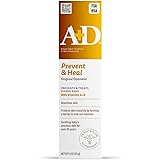
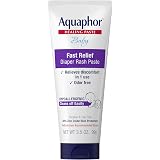
If diaper rash does develop, which often appears as red, irritated skin, applying a zinc oxide diaper cream is highly effective. Zinc oxide creates a protective barrier on the skin, shielding it from moisture and irritants while allowing it to heal. Apply a thick layer of cream with each diaper change until the rash clears. Other helpful ingredients in diaper creams include petroleum jelly or lanolin, which also provide a protective barrier. If the rash persists for more than a few days, worsens, or develops blisters, pus, or fever, it’s wise to consult your pediatrician, as it could indicate a yeast infection or bacterial issue requiring prescription treatment.
Shielding Sensitive Skin: Baby Sun Protection
A baby’s skin is incredibly thin and sensitive, making them highly susceptible to sunburn. Sunburn in infancy can have long-term consequences, so diligent sun protection is paramount. As the video rightly states, shade is always the best defense for your little one.
Embrace the Shade and Protective Gear:
- Seek Natural Shade: Keep your baby under trees, umbrellas, or canopies whenever outdoors.
- Create Your Own Shade: Use a stroller’s hood, a pop-up tent, or even a portable umbrella to ensure your baby is always out of direct sunlight.
- Strategic Timing: Avoid outdoor activities during peak sun hours, typically between 10 AM and 4 PM, when UV rays are strongest.
- Sun-Protective Clothing: Dress your baby in lightweight, loose-fitting, long-sleeved shirts and pants. A wide-brimmed hat that shades the face, ears, and neck is essential.
- UV Protection Clothing: For even greater effectiveness, choose clothing with an Ultraviolet Protection Factor (UPF) number. This rating indicates how much UV radiation a fabric blocks. A UPF of 30 blocks 97% of UV rays, while UPF 50+ blocks 98% or more.
- Baby Sunglasses: Protect your baby’s eyes with sunglasses that offer 100% UV protection.
For babies under six months, shade and clothing are the primary sun protection methods. If shade and adequate clothing are not available, or for babies over six months, you can apply a minimal amount of sunscreen to small, exposed areas of skin that cannot be covered by clothing. Choose sunscreens specifically formulated for babies, featuring broad-spectrum protection, water resistance, and an SPF of 30 or higher.
Look for sunscreens containing physical blockers like titanium dioxide or zinc oxide. These minerals sit on the skin’s surface and physically deflect UV rays, making them less likely to irritate your baby’s sensitive skin compared to chemical sunscreens that absorb UV rays into the skin. Always do a patch test on a small area of your baby’s skin first to check for any reaction before full application. Reapply sunscreen every two hours, or more often if your baby is sweating or getting wet.
Mastering Baby Nail Care: Preventing Scratches
Those tiny, seemingly soft baby nails can be surprisingly sharp! Trimming your baby’s nails regularly is important to prevent them from scratching themselves or you. Babies often involuntarily flail their arms, and sharp nails can easily lead to facial scratches.
Tips for Safe Nail Trimming:
- Frequency: Trim your baby’s nails whenever they start to feel sharp. Fingernails grow quickly and may need trimming a couple of times a week, while toenails grow more slowly and require less frequent attention.
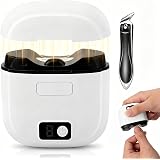
- Choose the Right Tools: You can use a soft emery board or nail file to gently file down sharp edges, which is a great option for newborns. Baby nail clippers or blunt-nosed baby nail scissors are also effective, offering more precision.
- Optimal Lighting: Ensure you have plenty of light when trimming to clearly see the nail and avoid cutting the delicate skin underneath.
- Best Timing: Many parents find it easiest to trim nails when the baby is sleeping soundly or after a bath when their nails are softer and easier to cut.
- Technique: Gently press down on the fingertip pad to separate it from the nail, providing a clearer view of the nail itself. Trim straight across the nail, then use a file to gently round the corners, preventing sharp edges or ingrown nails. Be patient and take your time.
Laundry Day: Keeping Baby Items Clean
What touches your baby’s skin daily is just as important as what you put directly on it. Baby blankets, sheets, and clothing should be laundered with care.
- Pre-Wash All New Items: Always wash new baby clothes, blankets, and linens before their first use. This removes any manufacturing chemicals, dyes, or finishes that could irritate your baby’s skin.
- Fragrance-Free Detergents: Just like with baby soaps, use detergents that are fragrance-free and dye-free. Many brands offer “free and clear” options specifically designed for sensitive skin. These detergents help minimize exposure to potential irritants that can linger in fabrics.
- Gentle Cycle: Wash baby items on a gentle cycle with cold water to help them last longer and prevent shrinkage.
When to Consult a Professional
While these tips cover the basics of caring for your baby’s skin, hair, and nails, every baby is unique. If you have persistent questions or concerns about your baby’s skin, hair, or nails—such as a rash that doesn’t improve, unusual skin changes, or signs of infection—do not hesitate to talk to your pediatrician or a board-certified dermatologist. They can provide personalized advice and ensure your baby receives the best possible care for their healthy development.
Nurturing Your Little One: Q&A on Skin, Hair, and Nails
How often should I bathe my baby?
Babies do not need daily baths. Dermatologists recommend bathing your baby two to three times a week to keep them clean without over-drying their sensitive skin.
What kind of soap and shampoo should I use for my baby?
Always choose mild, fragrance-free baby soap and shampoo. Look for products labeled “hypoallergenic” and “tear-free” to avoid irritating your baby’s delicate skin.
How can I prevent diaper rash?
Prevent diaper rash by changing wet or soiled diapers frequently, thoroughly cleaning the diaper area, and allowing your baby’s bottom to air dry before putting on a fresh diaper.
What is the best way to protect my baby from the sun?
The best defense is shade; keep your baby under trees, umbrellas, or canopies. Dress them in lightweight, long-sleeved clothing and a wide-brimmed hat.
When can I give my baby a full tub bath instead of a sponge bath?
You should give your baby sponge baths until their umbilical cord stump completely falls off and the area heals, which usually takes 1-3 weeks. After that, you can transition to traditional tub baths.