Ensuring proper newborn baby skin care is vital for your little one. The delicate nature of infant skin demands specific attention. Dr. Silpahasa shares valuable insights in the accompanying video. This guide expands on those crucial points. It provides further detail on keeping your baby’s skin healthy and protected.
Understanding Delicate Newborn Skin
Newborn skin is very unique. It is significantly thinner than adult skin. Its protective barrier is not fully developed. This makes it more susceptible to external factors. Parents often worry about peeling skin. However, this is usually a normal process. It is part of the baby’s adjustment.
While in the womb, the baby’s skin is constantly hydrated. A white, waxy layer called vernix caseosa protects it. Vernix provides a crucial moisture barrier. It shields the skin from amniotic fluid. After birth, this vernix is gradually shed. The skin then adjusts to a drier environment. This shedding is simply the outer layer renewing itself. There is no need for concern.
Studies show infants experience higher trans-epidermal water loss. This means moisture escapes from their skin easily. Consequently, proper hydration is paramount. Their skin can quickly become dry. This leads to potential irritation. Understanding these differences is the first step. Effective newborn baby skin care depends on this knowledge.
Bathing Practices for Your Newborn
Many new parents feel daily bathing is essential. However, this is not often recommended. Pediatricians advise against frequent baths. Especially for babies with low birth weight. Their skin barrier is particularly fragile. Frequent washing can strip away natural oils. These oils are important for skin protection. In contrast, too much bathing can cause dryness.
It is generally suggested that newborns be bathed only 2-3 times per week. Some guidance even points to 3-4 days per week. This prevents excessive dryness. On non-bath days, spot cleaning is recommended. Focus on areas prone to dirt. These include behind the ears and the neck. The diaper area also needs daily attention. A soft cotton cloth with warm water is sufficient. Gentle care helps maintain skin integrity.
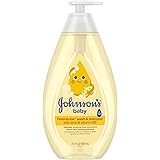
When bathing, use a mild, pH-neutral baby wash. Products designed for newborns are best. These are typically tear-free. Strong soaps or adult products should be avoided. They can be harsh on delicate skin. The bath should be brief. Lukewarm water is always preferred. A warm, safe environment is created. This ensures the baby’s comfort and health.
Essential Moisturizing for Baby Skin
Moisturizing is a cornerstone of newborn baby skin care. The baby’s skin can quickly become dry. This is due to its immature barrier function. Regular moisturizing helps lock in hydration. It strengthens the skin’s protective layer. Dryness can lead to irritation. It might even cause discomfort for the baby. Therefore, this step cannot be overlooked.
The ideal time to moisturize is right after a bath. The skin is still slightly damp then. Applying cream at this point is highly effective. It helps to trap moisture. This principle applies to adults too. The skin’s hydration is thus enhanced. A gentle massage can also be incorporated. This promotes bonding. It may also improve circulation. However, the primary goal is deep hydration.
Choosing the correct baby cream is important. Look for products designed specifically for infants. They are formulated to be gentle. These products support the skin barrier. Consistent use helps prevent dryness. It also keeps the skin supple. This proactive approach benefits long-term skin health. Research underscores the importance of barrier protection.
Choosing Safe and Effective Baby Creams
Selecting the right baby cream requires careful consideration. Many products exist on the market. However, not all are suitable for newborns. Certain ingredients can be irritating. Others may even be harmful. It is crucial to read product labels carefully. Informed choices protect your baby’s delicate skin. The wrong product can do more harm than good.
What to Avoid in Baby Creams:
- Parabens: These are preservatives. They can disrupt hormone function. Many studies have raised concerns.
- Phthalates: These chemicals make plastics flexible. They are also used in some fragrances. Phthalates are linked to developmental issues.
- Strong Scents or Fragrances: Artificial fragrances are common allergens. They can irritate sensitive skin. Unscented options are always safer.
- Harsh Chemicals: Ingredients like sulfates or dyes can be too aggressive. They strip natural oils. This leads to dryness and irritation.
What to Look For:
- Dermatologically Tested: This indicates the product has been tested on human skin. It has been evaluated for adverse reactions.
- Clinically Proven to be Mild: This suggests scientific validation. The product is shown to be gentle.
- Hypoallergenic: Such products are formulated to minimize allergy risk. They contain fewer common allergens.
- Fragrance-Free: This reduces the risk of skin irritation. It is especially important for newborns.
- pH-Balanced: Products that match the skin’s natural pH are ideal. They help maintain the skin barrier.
You can apply a suitable baby cream from day one. Early moisturization can establish healthy skin. Patch testing new products is a good practice. Apply a small amount to a discreet area. Observe for any reaction over 24 hours. This precaution helps ensure safety. It prevents widespread irritation.
Essential Do’s and Don’ts for Baby Skin Care
Effective newborn baby skin care extends beyond just bathing and moisturizing. Several daily practices influence skin health. Parents must be mindful of these details. Simple adjustments can make a big difference. These guidelines help prevent common skin issues.
Do’s:
- Dress in Soft, Breathable Cotton Clothes: Cotton allows skin to breathe. It helps regulate body temperature. This reduces the risk of rashes.
- Layer Clothing Appropriately: Adjust layers based on room temperature. Overheating can lead to prickly heat. Infants cannot regulate temperature well.
- Burp Your Baby After Every Feed: This prevents spit-up. Spit-up can irritate neck and chest skin. Keeping these areas clean is vital.
- Wipe Baby’s Face and Neck Regularly: Use a soft, damp cloth. This removes milk residue. It also prevents skin folds from becoming irritated.
- Keep Diaper Area Clean and Dry: Change diapers frequently. Use mild wipes or warm water. This prevents diaper rash.
Don’ts:
- Do Not Over-Wrap Your Baby: Thick blankets can cause overheating. This increases rash risk. Ensure air circulation.
- Do Not Try to Peel Off Baby’s Skin: This is a natural process. Interfering can cause damage. Let the skin shed naturally.
- Do Not Apply Adult Lotions or Creams: These often contain harsh ingredients. They are not formulated for infant skin. Stick to baby-specific products.
- Do Not Expose Baby to Strong Sunlight for Long Periods: Infant skin is very sensitive to UV rays. Even short exposure can cause sunburn. A maximum of 10 minutes of morning sun might be tolerated. However, too much direct sun is dangerous. Prolonged sun exposure does not treat jaundice. Jaundice requires specific medical intervention.
Following these simple guidelines promotes healthy newborn baby skin care. It helps avoid common pitfalls. A healthy skin barrier protects against infections. It also ensures comfort for your baby.
Ask Dr. Silpahasa: Essential Answers for Your Newborn’s Delicate Skin
Why is newborn skin so delicate?
Newborn skin is much thinner than adult skin and its protective barrier isn’t fully developed, making it easily susceptible to external factors and dryness.
Is it normal for a newborn’s skin to peel?
Yes, it is usually a normal process as the baby’s skin adjusts to the drier environment outside the womb. This shedding is simply the outer layer renewing itself.
How often should I bathe my newborn baby?
Pediatricians generally suggest bathing newborns only 2-3 times per week to prevent stripping natural oils and causing excessive dryness.
Why is moisturizing important for my newborn’s skin?
Moisturizing helps lock in hydration and strengthens the baby’s protective skin barrier, which is immature and prone to dryness.
What ingredients should I avoid when choosing baby creams?
Avoid baby creams with parabens, phthalates, strong scents or fragrances, and harsh chemicals, as these can irritate delicate newborn skin.