Is There a Secret to a Smooth and Efficient Baby Diaper Change?
Navigating the world of infant care presents numerous challenges for new parents, and perhaps one of the most frequent is the humble baby diaper change. As highlighted in the video above, this task can often feel like a wrestling match, especially when dealing with a wiggling, crying baby who would much rather be doing anything else. However, with the right approach and a clear understanding of best practices, diaper changing can become a significantly less stressful experience for both parent and child. It is possible for parents to master efficient infant hygiene routines, ensuring their little one remains comfortable and healthy.
The discomfort experienced by babies during a diaper change is a common reality, prompting the need for speed and precision. Understanding that an infant’s urine is naturally acidic is crucial, as this acidity can quickly irritate delicate skin. Many sources, including pediatric dermatologists, often describe diaper rash not merely as a skin irritation but rather as a mild chemical burn, underscoring the necessity of thorough cleaning. Implementing a strategic approach to each baby diaper changing session can therefore prevent numerous potential issues, safeguarding your infant’s well-being.
Essential Preparations for Every Baby Diaper Change
A successful baby diaper change begins long before the old diaper is removed; proper preparation is paramount. Parents are advised to establish a dedicated diaper changing station where all necessary supplies are within arm’s reach. This proactive measure significantly minimizes the time a baby spends exposed or uncomfortable, contributing to a smoother process. It is generally recommended that a changing area includes a fresh diaper, a supply of high-quality baby wipes, and a suitable diaper cream or paste.
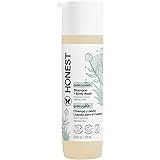
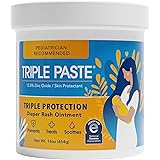
Choosing the right products for infant hygiene can make a substantial difference in preventing skin irritations. For instance, wipes infused with cream, such as those mentioned in the video, are often preferred for very sensitive or already raw skin, as they provide an immediate soothing layer. On the other hand, a thick barrier cream containing zinc oxide or petrolatum is invaluable for protecting the skin from moisture and acidity. These barrier creams are designed to create a protective layer, thereby preventing acidic urine and stool from directly contacting the baby’s sensitive skin.
Understanding and Preventing Diaper Rash: More Than Just a Rash
The concept of diaper rash as a “burn” instead of a mere rash profoundly shifts the perspective on infant hygiene. This condition, which affects a vast majority of infants at some point, is primarily caused by prolonged exposure to moisture and irritants found in urine and feces. The acidic nature of urine particularly contributes to skin breakdown, creating an environment ripe for irritation and discomfort. Statistics often reveal that diaper rash impacts nearly 50% of infants between 8 and 12 months, highlighting its commonality and the importance of preventive measures.
Effective prevention strategies primarily revolve around diligent and thorough baby diaper changing practices. This includes changing diapers frequently, even if they are only slightly soiled, to minimize contact with irritants. Furthermore, after each cleaning, the application of a protective diaper cream is essential for creating a barrier against moisture. Ensuring the skin is completely dry before applying cream also helps prevent moisture from being trapped against the skin, which could exacerbate irritation. Many healthcare professionals emphasize that consistent preventative care is far more effective than treating a severe rash once it has developed.
Mastering Cleaning Techniques for Optimal Infant Hygiene
Proper cleaning technique during a baby diaper change is crucial for maintaining infant hygiene and preventing infections. When the baby’s legs are gently held up, typically by the ankles, it helps prevent any contact with the soiled area and provides better access for cleaning. It is recommended that parents always wipe from front to back, especially for baby girls, to prevent the transfer of bacteria from the anal area to the urethra, which could lead to urinary tract infections (UTIs). In contrast, boys might surprisingly pee during a change, so a covering over their genitals can be a thoughtful precaution.
The thoroughness of the wipe is critical; parents should continue cleaning until there is absolutely no residue left on the skin. It is often necessary to use multiple wipes, folding them to always use a clean section. Although cost savings are often a consideration for parents, skimping on wipes can have significant health implications for the baby. If a baby’s skin is already raw or irritated, using plain water with cotton balls or a very soft, damp washcloth can be less irritating than some scented wipes. Ultimately, ensuring the baby’s skin is immaculately clean is a non-negotiable step in every diaper change.
Safeguarding Your Baby from Infections: A Critical Aspect of Infant Care
The potential for infections stemming from improper baby diaper changing practices cannot be overstated; it is a serious concern for infant care. Little girls are particularly susceptible to urinary tract infections (UTIs) if bacteria from stool enters the urethra. Conversely, both boys and girls can develop yeast infections in the diaper area, which present as a bright red rash with distinct borders and often small satellite lesions. These infections can cause significant discomfort and pain for the baby, often requiring medical intervention and specific treatments.
Prevention of these infections hinges on meticulous hygiene during every baby diaper change. This involves not only thorough cleaning with an adequate number of wipes but also ensuring that the skin folds and crevices are properly cleaned and dried. For instance, parents must gently open the baby’s legs to reach all areas, ensuring no residual stool or urine is left behind. The careful application of a suitable diaper cream acts as a protective barrier, reducing the chances of moisture-related skin breakdown that can make the skin more vulnerable to bacterial or fungal invasion. Prioritizing cleanliness during each diaper change is a simple yet profoundly effective strategy against these preventable health issues, contributing significantly to optimal infant hygiene.
Diaper Duty Q&A
Why is it important to clean my baby properly during a diaper change?
Proper cleaning helps prevent discomfort, diaper rash, and serious infections like urinary tract infections (UTIs) and yeast infections, keeping your baby healthy and comfortable.
What essential items should I prepare for a baby diaper change?
You should have a fresh diaper, high-quality baby wipes, and a suitable diaper cream or paste, such as one containing zinc oxide or petrolatum, all within easy reach.
How should I properly wipe my baby during a diaper change?
Gently hold your baby’s legs by the ankles and always wipe from front to back, especially for baby girls, until there is absolutely no residue left on the skin.
What is diaper rash and how can I help prevent it?
Diaper rash is a common skin irritation often caused by prolonged exposure to moisture and acidity. You can prevent it by changing diapers frequently, cleaning thoroughly, and applying a protective barrier cream to dry skin after each change.