As new parents, navigating the world of baby care can feel overwhelming, with countless questions arising about even the most basic routines. One common area of concern often revolves around infant hygiene, particularly maintaining a clean mouth before teeth even appear. The excellent advice shared in the video above provides a concise introduction to this topic, emphasizing the importance of early intervention, especially once your baby enters their curious ‘mouthing’ phase.
Indeed, understanding how to properly clean your baby’s oral cavity is not just about cleanliness; it’s about laying a crucial foundation for lifelong dental health. While a baby might not have teeth, their gums and tongue still harbor bacteria, and the introduction of solids or even just formula can leave residues. Consequently, incorporating a simple oral hygiene routine from an early age can significantly contribute to preventing future dental issues and accustoming your child to good habits.
Why Early Oral Care Matters So Much for Your Baby
The significance of establishing good oral hygiene for your baby extends far beyond merely wiping away milk residue. Babies explore the world extensively with their mouths, a phase often referred to as ‘mouthing.’ During this developmental stage, infants constantly put objects, toys, and even their own hands into their mouths, inadvertently introducing bacteria. Therefore, a clean oral environment helps to mitigate the risks associated with this natural exploratory behavior.
Furthermore, early childhood caries (ECC), commonly known as baby bottle tooth decay, is a prevalent issue that can start even before all primary teeth erupt. Sugars from milk, formula, or juice can linger on a baby’s gums and emerging teeth, creating an ideal breeding ground for harmful bacteria. Consequently, regular cleaning helps to remove these sugar deposits and reduce the risk of tooth decay, even in its earliest stages. Moreover, by beginning oral care early, parents help their infants develop a positive association with brushing and dental hygiene, making future routines much smoother.
When to Start Your Baby’s Oral Hygiene Routine
Many parents wonder precisely when they should begin cleaning their baby’s mouth. The general recommendation from pediatric dentists is to start oral care from birth, long before any teeth make an appearance. Even without teeth, your baby’s gums and tongue can collect bacteria and food particles that need to be gently removed. This early intervention helps clear the mouth, reduces the bacterial load, and prepares the gums for the arrival of new teeth.
Upon the arrival of the first tooth, typically between six and twelve months of age, the oral hygiene routine should become more focused and specific. The emergence of teeth introduces new areas where food debris and bacteria can accumulate, necessitating a more thorough cleaning process. Consequently, adapting your cleaning technique as new teeth emerge ensures comprehensive coverage and continued protection against potential decay. This transition marks an important step in your baby’s journey towards independent oral care.
Essential Tools for Baby Oral Care
Choosing the right tools for your baby’s oral hygiene routine is crucial for both effectiveness and safety. Fortunately, the options are simple and readily available, making it easy for any parent to start. It is not necessary to invest in complex or expensive gadgets; instead, focus on gentle and appropriate instruments for your baby’s delicate mouth.
Simple and Safe Wipes: Cotton Cloth, Gauze, or Specialized Finger Brushes
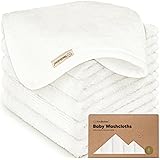
As mentioned in the video, a soft cotton cloth or a piece of gauze dipped in lukewarm water is an excellent starting point for cleaning your baby’s oral cavity. These materials are gentle on delicate gums and easily accessible in most households. Alternatively, many parents find specialized silicone finger brushes to be incredibly convenient. These brushes slip over an adult’s finger, offering a soft, textured surface perfect for massaging gums and gently wiping the tongue. Regardless of the choice, the key is to ensure the material is clean, soft, and free from any loose fibers that could pose a choking hazard.
Beyond Wipes: Soft-Bristled Toothbrushes for Infants
Once your baby’s first tooth erupts, transitioning to a soft-bristled infant toothbrush becomes advisable. These toothbrushes are specifically designed with small heads and extra-soft bristles to be gentle on sensitive gums and emerging teeth. Furthermore, they often feature large, easy-to-grip handles, which are helpful for parents to maneuver and eventually for toddlers to hold themselves. Utilizing an infant toothbrush allows for a more targeted cleaning action, reaching all surfaces of the new teeth and ensuring thorough plaque removal.
Choosing a Toothpaste: Fluoride vs. Non-Fluoride
When it comes to toothpaste, the decision often revolves around fluoride content. For babies under two years old, many pediatric dentists recommend a tiny smear of fluoride toothpaste, no bigger than a grain of rice, once the first tooth appears. Fluoride plays a vital role in strengthening tooth enamel and preventing cavities. However, due to the risk of fluorosis (discoloration of teeth from excessive fluoride ingestion), it’s important to use only a minimal amount and ensure your baby does not swallow large quantities. Some parents opt for non-fluoride “training” toothpaste initially, especially if they are concerned about their baby swallowing it, but it’s always best to consult with your pediatric dentist for personalized guidance.
A Step-by-Step Guide to Cleaning Your Baby’s Oral Cavity
Establishing a consistent routine for cleaning your baby’s mouth is straightforward once you understand the basic steps. This daily practice not only maintains hygiene but also helps in making oral care a comfortable and familiar part of your baby’s day. The key is to be gentle, quick, and make it a positive experience for your little one.
Preparation: Warm Water and a Comfortable Position
Before you begin, ensure you have all your tools ready: a clean cotton cloth, gauze, or a finger brush, and a small bowl of lukewarm water. Find a comfortable position that allows you to clearly see inside your baby’s mouth and provides good support for their head. Many parents find it easiest to sit their baby in their lap with the baby’s head resting in the crook of their arm, or to lay them down on a changing table. Consequently, a relaxed and secure baby will be more cooperative during the cleaning process, making the task simpler for both of you.
Gentle Technique: Wiping Gums, Tongue, and Emerging Teeth
Once your baby is comfortably positioned, wrap the damp cloth or gauze around your index finger, or put on the finger brush. Gently open your baby’s mouth and begin to wipe. Focus on all surfaces: the gums, the inside of the cheeks, and especially the tongue. For any emerging teeth, gently brush or wipe all surfaces – front, back, and chewing surfaces. Utilize small, circular motions and apply only light pressure, as your baby’s oral tissues are very delicate. This methodical approach ensures comprehensive cleaning without causing any discomfort to your infant.
Frequency: How Often to Clean Your Baby’s Mouth
For newborns and infants without teeth, a daily wipe of the gums and tongue is generally sufficient. This can be done after the last feeding of the day or as part of their regular bath routine. Once the first tooth erupts, the recommendation is to clean your baby’s mouth twice a day – once in the morning and once before bedtime – using either a damp cloth or a soft infant toothbrush with a tiny smear of fluoride toothpaste. Consistency is paramount, as regular cleaning significantly reduces the risk of plaque buildup and the development of early childhood caries.
Common Challenges and Tips for Success in Baby Oral Hygiene
It is not uncommon for parents to encounter a few hurdles when trying to establish an oral hygiene routine for their baby. Infants, like all individuals, have their own temperaments and may not always be enthusiastic about having their mouths cleaned. However, with patience and the right approach, these challenges can be overcome, transforming oral care into a positive and accepted daily ritual.
Baby Resistance
Some babies might resist the cleaning process by fussing, crying, or clamping their mouths shut. This reaction is often due to unfamiliarity or feeling uncomfortable. Therefore, it is important to introduce the routine gradually and playfully, rather than forcing it. Try singing a song, making silly faces, or letting them hold the toothbrush (if age-appropriate) while you clean their mouth. Consequently, turning it into a game or a fun interaction can significantly reduce resistance and make the experience more pleasant for both parent and child.
Making it a Positive Experience
Creating a positive association with oral care is key to long-term success. Incorporate the cleaning into a soothing routine, such as after a bath or during story time. Praise your baby for their cooperation and smile often. Allowing them to explore the brush or cloth with their hands before you use it on them can also help. Furthermore, consistency in timing and approach helps your baby understand what to expect, leading to greater acceptance over time. A calm and reassuring demeanor from the parent can also translate into a more relaxed baby.
Consistency is Key
Establishing a consistent schedule is perhaps the most important tip for success. When your baby knows that mouth cleaning is a regular part of their day, they are more likely to accept it without fuss. For example, always cleaning their mouth after their last feeding and before bedtime helps create a predictable pattern. Even on busy days, a quick, gentle wipe is better than skipping the routine entirely. Remember, this consistent practice of baby oral hygiene is not just about cleaning; it’s about nurturing a habit that will serve them well throughout their lives.
When to Consult a Pediatric Dentist
While home oral care is foundational, professional dental guidance is equally important for your baby’s developing mouth. Many parents are unsure when to schedule their child’s first dental visit, often waiting until more teeth have erupted or a problem arises. However, early dental assessments are crucial for preventative care and addressing potential issues before they escalate.
The First Birthday Rule
The American Academy of Pediatric Dentistry (AAPD) recommends that a child’s first dental visit occur by their first birthday, or within six months of the first tooth’s eruption, whichever comes first. This initial visit is primarily educational, allowing parents to discuss proper baby oral hygiene techniques, dietary habits, fluoride needs, and address any specific concerns. Therefore, establishing a “dental home” early ensures continuous care and a proactive approach to your child’s oral health.
Sweet Smiles & Clean Gums: Your Q&A
Why is it important to clean my baby’s mouth before they even have teeth?
Even without teeth, a baby’s gums and tongue can harbor bacteria and food residues. Cleaning helps lay a crucial foundation for lifelong dental health and prevents future issues like baby bottle tooth decay.
When should I start cleaning my baby’s mouth?
Pediatric dentists recommend starting oral care from birth, long before any teeth appear. This early intervention helps clear the mouth and prepares the gums for the arrival of new teeth.
What simple tools can I use to clean my baby’s mouth?
You can start by using a soft cotton cloth or a piece of gauze dipped in lukewarm water, or a specialized silicone finger brush. Once your baby’s first tooth appears, transition to a soft-bristled infant toothbrush.
How often should I clean my baby’s mouth?
For newborns and infants without teeth, a daily wipe of the gums and tongue is generally sufficient. Once the first tooth erupts, clean your baby’s mouth twice a day.
Do I need to use toothpaste for my baby?
Once your baby’s first tooth appears, a tiny smear of fluoride toothpaste, no bigger than a grain of rice, is often recommended. It’s always best to consult your pediatric dentist for personalized guidance.