Mastering Newborn Diaper Changes: The Essential Guide to Cleaning Poop Correctly
Navigating the early days of parenthood presents numerous learning opportunities, and one fundamental task involves mastering the art of the newborn diaper change. While the video above succinctly demonstrates a crucial tip, understanding the ‘why’ behind this advice can significantly enhance your baby care routine. Many new parents face uncertainty regarding the correct techniques for cleaning newborn poop, a common concern that can lead to unnecessary stress or even health issues for the infant. This comprehensive guide aims to demystify the process, ensuring both hygiene and comfort for your little one.
The Critical Importance of Front-to-Back Cleaning for Your Newborn
The cardinal rule emphasized in the video—always clean from front to back—is not merely a suggestion; it represents a cornerstone of infant hygiene. Failing to follow this simple yet vital instruction can introduce various health risks, particularly for baby girls due to their anatomy. Consider the delicate nature of a newborn’s skin and their developing immune system; every precaution counts significantly.
Imagine if you inadvertently moved bacteria from the anal area towards your baby’s genital region. Consequently, this action substantially increases the likelihood of urinary tract infections (UTIs) in infants, a condition that can cause discomfort and necessitate medical intervention. Furthermore, improper cleaning methods can lead to persistent diaper rash, causing significant distress for your baby. Maintaining meticulous hygiene during every newborn diaper change establishes a foundational layer of protection for your child’s health.
Essential Supplies for an Efficient Newborn Poop Cleaning Experience
Preparing your changing station with all necessary items before you begin will streamline the entire baby poop cleaning process, making it less chaotic for both you and your newborn. Having everything within arm’s reach prevents situations where you might need to leave your baby unattended, even for a moment. Furthermore, a well-stocked station ensures you can respond swiftly and hygienically.
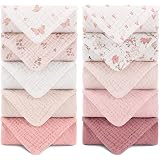
- Soft, Unscented Wipes: Opt for gentle, hypoallergenic wipes specifically designed for sensitive newborn skin. Alternatively, warm water and cotton balls or soft cloths provide an excellent, chemical-free option.
- A Clean Diaper: Always have the next size-appropriate clean diaper ready and opened for immediate placement.
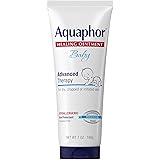
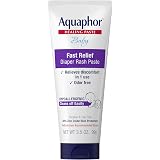
- Diaper Rash Cream or Ointment: A barrier cream containing zinc oxide or petroleum jelly can prevent irritation and protect against moisture.
- Changing Pad: A waterproof, easy-to-clean changing pad ensures hygiene and comfort, often with raised sides for safety.
- Small Trash Can: A dedicated diaper pail or a small bin with a lid helps contain odors and germs effectively.
- Hand Sanitizer: Keep a bottle nearby for quick hand sanitization after disposal, before picking up your baby.
A Step-by-Step Guide to Cleaning Newborn Poop Effectively
Implementing the front-to-back cleaning method requires a systematic approach during each newborn diaper change. Following these steps ensures thoroughness and minimizes the risk of spreading bacteria.
- Prepare Your Station: Lay your baby on their back on the changing pad. Unfasten the soiled diaper, but do not remove it completely yet. Use the front part of the soiled diaper to gently wipe away as much poop as possible from the front area towards the back.
- Lift and Support: Gently lift your baby’s legs by holding their ankles or thighs with one hand. This elevates the bottom, providing better access for cleaning.
- Wipe from Front to Back: Using a fresh wipe (or cotton ball with water), begin wiping from the front (genital area) towards the back (anal area). Always use a fresh section of the wipe or a new wipe for each stroke to avoid re-contaminating clean areas. Ensure you clean all folds and creases meticulously.
- Address Girls vs. Boys: For baby girls, pay particular attention to wiping between the labia from front to back. For baby boys, clean around the scrotum and penis, ensuring all stool is removed.
- Thorough Cleaning: Continue wiping with fresh wipes until the area is completely clean. Discard each soiled wipe immediately into the prepared trash can.
- Pat Dry: After cleaning, gently pat the area completely dry with a clean cloth or a fresh part of the diaper. Moisture can contribute to diaper rash, so thorough drying is essential.
- Apply Diaper Cream: If necessary, apply a thin layer of diaper rash cream as a protective barrier. Do not use too much; a thin layer is sufficient.
- Diaper Placement: Slide a clean diaper underneath your baby, ensuring the sticky tabs are at the back. Fasten the tabs snugly but not too tightly, allowing two fingers to fit comfortably underneath the waistband.
- Final Hygiene: Wrap the soiled diaper into a tight bundle, securing it with its own tabs, then dispose of it properly. Wash your hands thoroughly with soap and water or use hand sanitizer before handling your baby again.
Understanding Different Types of Newborn Stools
The appearance of your newborn’s poop can vary significantly, especially in the first few weeks, and understanding these changes can help you adapt your baby poop cleaning strategy. Initially, your baby will pass meconium, a thick, tar-like, greenish-black stool. This sticky substance requires extra effort to clean; consider applying a thin layer of petroleum jelly to the diaper area beforehand to ease removal.
As feeding establishes, breastfed babies typically have seedy, mustard-yellow stools, which are usually runnier and less odorous. Formula-fed babies often produce thicker, tan or brown stools with a more distinct smell. Regardless of the type, the front-to-back cleaning rule remains universally applicable and crucial for preventing infections. Always prioritize thoroughness and gentleness during these sensitive moments.
Preventing Diaper Rash and Promoting Healthy Skin
Despite diligent cleaning, diaper rash can occasionally occur. However, employing preventive measures can significantly reduce its incidence, ensuring your baby’s comfort and preventing skin irritation. The consistent application of proper newborn hygiene practices is paramount for safeguarding delicate skin.
- Frequent Diaper Changes: Do not wait for a full diaper; change it as soon as it becomes wet or soiled to minimize skin exposure to moisture and irritants.
- Thorough Drying: Always ensure your baby’s bottom is completely dry before fastening a new diaper. Air drying for a few minutes whenever possible is highly beneficial.
- Barrier Cream: Regularly apply a protective diaper cream, even when no rash is present, to create a barrier against moisture and acidity.
- Loose-Fitting Diapers: Ensure diapers are not too tight, as this can cause chafing and restrict air circulation, exacerbating skin issues.
- Air Time: Allow your baby to have some diaper-free time each day. Lay them on a waterproof pad on a warm surface for short periods; this exposure to air works wonders for skin health.
By integrating these practices into your daily routine, you can effectively prevent common skin irritations and maintain your newborn’s delicate skin in optimal condition. This proactive approach supports overall well-being and ensures your baby remains happy and comfortable.
When to Consult a Healthcare Professional About Newborn Poop or Diaper Care
While most newborn diaper change situations are manageable at home, certain signs warrant a call to your pediatrician. For instance, if your baby develops a severe diaper rash that does not improve within a few days despite consistent care, or if it presents with blisters, pus, or fever, seek medical advice promptly. Furthermore, unusual changes in stool color or consistency, such as white, red, or black stools (after meconium has passed), could indicate an underlying issue requiring professional evaluation. Trust your instincts; if something seems off regarding your baby’s health or hygiene, a consultation offers peace of mind and ensures appropriate care.
Newborn Poop Patrol: Your Questions Answered
Why is it important to clean a newborn’s poop from front to back?
Cleaning from front to back is crucial for infant hygiene, especially for baby girls, to prevent bacteria from spreading to the genital area and causing urinary tract infections (UTIs) or diaper rash.
What essential supplies do I need for a newborn diaper change?
You should have soft, unscented wipes, a clean diaper, diaper rash cream, a waterproof changing pad, a small trash can, and hand sanitizer ready before starting.
What is the basic method for cleaning newborn poop effectively?
First, wipe away initial poop with the soiled diaper. Then, using fresh wipes, always clean from the front (genital area) towards the back (anal area), ensuring all creases are clean, and finally pat the area dry.
How can I help prevent diaper rash for my newborn?
To prevent diaper rash, change soiled or wet diapers frequently, ensure your baby’s bottom is completely dry before applying a new diaper, and use a protective barrier cream.