Parents often face the common concern of their baby’s delicate skin appearing dull or losing its natural radiance, especially after exposure to harsh weather conditions or excessive covering. You might observe your little one’s complexion looking less vibrant, perhaps a bit tanned or dry. This is a prevalent issue, but thankfully, a consistent and gentle skincare routine can effectively address these changes, helping to restore and maintain your baby’s soft, healthy, and naturally radiant complexion. The video above provides an excellent visual guide, and here we will delve deeper into each step, offering additional insights and expanding on the benefits of a dedicated baby skincare regimen to help make your baby’s skin fair and glowing.
Understanding Baby’s Delicate Skin and Environmental Factors
A baby’s skin is significantly thinner and more sensitive than an adult’s, making it more susceptible to environmental stressors. Factors like prolonged sun exposure, even in winter, and friction from woolen clothing can lead to dryness, irritation, and a dulling of the complexion. For instance, while some sun exposure is vital for Vitamin D synthesis, which supports bone health, excessive direct sunlight can cause tanning and damage, particularly for infants. Pediatricians often recommend short periods of indirect sun exposure, typically 10-15 minutes, early in the morning or late afternoon, to safely harness its benefits without harming their skin.
Similarly, the warmth and texture of woolen clothes, while necessary for keeping babies snug in colder months, can sometimes trap heat and cause friction. This can lead to rashes, dryness, and a lack of breathability, affecting the skin’s overall appearance. Opting for soft, breathable layers made from natural fibers like cotton underneath woolens can provide a protective barrier. Implementing a mindful daily routine for baby’s skin can counteract these effects, promoting a consistently bright and healthy look.
The Foundational Steps for a Radiant Baby Complexion
Just as the video demonstrates, a simple yet consistent routine is key. Based on extensive experience, a noticeable improvement in your baby’s skin vitality can often be observed within 10 to 15 days of diligently following these steps. This routine focuses on gentle cleansing, natural nourishment, and essential hydration, all crucial for supporting the skin barrier and enhancing your baby’s natural glow.
Step 1: Gentle Daily Face Washing
Many parents believe that a baby’s face only needs washing during their bath time. However, this is a common misconception. Babies often have milk dribbles, food particles, or dust accumulating on their faces throughout the day, even if they aren’t fully bathed. A daily face wash is essential to remove these impurities, preventing clogged pores and irritation, which can contribute to a dull complexion.
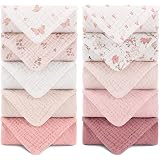
To wash your baby’s face effectively, use a soft, wet hand or a clean, soft cloth. Avoid pouring water directly onto their face. If it’s winter, use lukewarm water; in summer, cool water is appropriate. During transitional seasons, normal room temperature water works best. After washing, gently pat the face dry with a very soft towel, being careful not to rub, which can irritate delicate skin. This simple step ensures that the skin is clean and ready to absorb the benefits of subsequent care.
Step 2: Nourishing Cleansing with Raw Milk
Raw milk acts as an exceptional, natural micellar water for baby’s skin, a secret often passed down through generations. It is unboiled milk, rich in lactic acid, proteins, and fats, which collectively offer mild exfoliating and moisturizing properties. Lactic acid gently helps to remove dead skin cells and impurities that a regular wash might miss, revealing a fresher layer underneath and contributing to a brighter baby complexion.
For this step, take a small amount of raw milk and saturate a soft cotton pad. Ensure the cotton pad is extra soft to prevent any abrasions. Gently squeeze out the excess milk, then lightly wipe your baby’s face and even body with it. Do not rub vigorously; instead, use gentle, sweeping motions. This process cleanses deeper, removing dust, dullness, and any remaining impurities. After cleansing with raw milk, use a separate clean, soft cotton pad to gently tap and remove the milk residue from the skin. This tapping motion helps to absorb excess milk without rubbing, leaving the skin clean and soft.
Step 3: Essential Daily Moisturization for Softness
Moisturizing your baby’s skin daily is perhaps one of the most critical steps, yet another common myth suggests that lotions or creams can make a baby’s complexion dull. Dermatologists widely agree that this is incorrect. Regular moisturization is vital for maintaining the skin’s barrier function, which protects against environmental irritants and prevents moisture loss. Dry skin often appears dull and can be itchy, leading to discomfort for your baby.
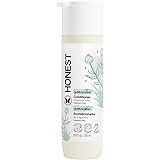
Choosing a hypoallergenic, fragrance-free baby moisturizer from a reputable brand, such as Johnson’s baby moisturizer, is highly recommended. These products are specifically formulated to be gentle on sensitive infant skin. Apply a generous amount to your baby’s face and body after cleansing. This helps to lock in moisture, keeping the skin soft, supple, and healthy. Consistent moisturization not only improves the texture but also enhances the natural radiance of your baby’s skin, making it appear plump and fresh.
It is important to note that oil applied for massage should also not remain on the skin for extended periods. While baby massages with oil are beneficial, the oil should be washed off within a few hours, or at least the face should be cleansed if a full bath is scheduled for later. Prolonged oil residue can attract dust and clog pores, counteracting your efforts to maintain a clear baby complexion.
Step 4: The Traditional Touch: Tibet Cream
Following moisturization, applying a thin layer of Tibet cream can be the final touch, especially for those seeking to enhance their baby’s natural skin tone. This cream is a long-standing, trusted remedy in many households, known for its gentle properties and widespread use across generations. It is generally considered safe for delicate baby skin and is easily accessible in most markets.
Since Tibet cream can be slightly thicker, apply it after moisturizing. This layering ensures that the skin is already hydrated, allowing the cream to spread more easily without harsh rubbing. Gently dab the cream onto the face and massage it in with very light, soft strokes until absorbed. Think of it as a protective mask or an additional layer of care. It helps in further refining the skin’s texture and promoting a smooth, clear appearance. Many users have reported observing a noticeable improvement in skin clarity and softness after regular use of this traditional product.
General Tips for Optimal Baby Skin Health
Beyond the daily routine, several overarching principles contribute to maintaining a healthy and naturally radiant baby complexion. These practices support the efficacy of the skincare routine and ensure your baby’s comfort and well-being.
- Hydration from Within: Ensure your baby is well-hydrated. For infants, this means adequate breast milk or formula intake. For older babies or toddlers, water is also important.
- Patch Testing: Always perform a patch test when introducing any new product to your baby’s skin. Apply a tiny amount to a small area, like behind the ear or on the inner arm, and wait 24 hours for any reaction.
- Appropriate Bathing: Bathe your baby with lukewarm water and a mild, pH-neutral baby cleanser. Keep bath times short (5-10 minutes) to prevent skin dryness.
- Dietary Considerations: For babies starting solids, a balanced diet rich in fruits and vegetables can indirectly contribute to skin health. Nutrients from food help support overall skin vitality.
- Consult a Pediatrician: If you notice persistent skin issues, severe dryness, rashes, or any allergic reactions, always consult your pediatrician. They can provide personalized advice and rule out underlying conditions.
By consistently applying these simple yet effective steps and maintaining general good skincare practices, you can significantly enhance and maintain your baby’s naturally beautiful, soft, and healthy skin, helping to ensure a consistently fair and bright baby complexion.
Nurturing Baby’s Beautiful Skin: Your Questions Answered
Why might my baby’s skin appear dull?
Your baby’s delicate skin can look dull due to factors like exposure to harsh weather conditions, too much sun, or friction from woolen clothing. These can lead to dryness and a less vibrant complexion.
How often should I wash my baby’s face?
It’s essential to gently wash your baby’s face daily, not just during bath time. This removes impurities like milk dribbles, food particles, or dust that accumulate throughout the day.
What is raw milk used for in baby skincare?
Raw milk acts as a natural cleanser, similar to micellar water. It helps gently remove dead skin cells and impurities, contributing to a brighter and softer baby complexion.
Is it important to moisturize my baby’s skin every day?
Yes, daily moisturization is crucial for maintaining your baby’s skin barrier and preventing moisture loss. It helps keep their skin soft, supple, and healthy, enhancing its natural radiance.