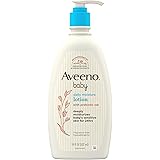
Caring for a newborn involves a multitude of new experiences, and understanding how to protect their delicate skin is certainly a primary concern for many parents. As explored in the insightful video above with parenting expert Tammy Gold, establishing a gentle skincare routine can significantly contribute to a baby’s overall well-being and strengthen the parent-child bond. Newborn skin is inherently different from adult skin, being much thinner and more sensitive, which makes it particularly susceptible to dryness and irritation.
The skin’s outermost layer, known as the epidermal barrier, is not fully developed at birth, meaning it loses moisture more rapidly. Consequently, regular moisturizing is not merely a cosmetic step; it is a vital practice for maintaining skin integrity and comfort. A well-hydrated skin barrier functions more effectively as a protective shield against environmental irritants and allergens, thereby reducing the likelihood of common infant skin issues. This proactive approach to skincare creates a foundation for healthy skin throughout infancy and beyond.
The Power of Post-Bath Moisturizing for Infant Skin Care
One of the most effective times for applying moisturizer to your baby’s skin is immediately following a bath, while their skin is still slightly damp. This technique, warmly endorsed by Tammy Gold, allows the cream to lock in the moisture that has already been absorbed during bathing. The warmth of the bath also ensures that the baby’s pores are open, which can enhance product absorption and effectiveness. Establishing this routine after each bath ensures consistent hydration, preventing the skin from becoming overly dry as it cools and dries post-bath.
Furthermore, incorporating moisturizing into the bath time ritual extends beyond mere skin health; it serves as a wonderful opportunity for bonding and relaxation. The gentle strokes and warm touch during a baby massage can be incredibly soothing for infants, especially when preparing them for bedtime. This physical closeness facilitates the release of oxytocin, often referred to as the “love hormone,” in both parent and child, strengthening their emotional connection. A consistent massage routine is often found to help regulate a baby’s sleep patterns, promoting a sense of calm and security after a stimulating day.
Choosing the Right Products for Delicate Newborn Skin
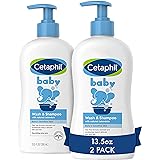
The selection of skin care products for newborns requires careful consideration due to their highly sensitive skin. Generally, products free from fragrances, dyes, parabens, and phthalates are recommended to minimize the risk of irritation or allergic reactions. As highlighted in the video, different skin types may benefit from specific product formulations; therefore, assessing your baby’s individual needs is an important first step. A patch test on a small area of skin before widespread application is a prudent measure to ensure compatibility with your baby’s skin.
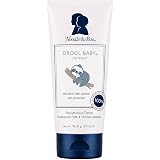
For babies with very dry or irritated patches, a thicker ointment is typically suggested. These occlusive emollients, often petrolatum-based, create a protective barrier on the skin’s surface, effectively sealing in moisture and safeguarding against external irritants. Such ointments are particularly beneficial for localized areas of extreme dryness or during colder months when heaters can strip moisture from the air. In addition to ointments, a good quality eczema cream, as favored by Tammy Gold for its thickness and gentle formulation, can be an excellent all-around option for most skin types. These creams are usually formulated with ingredients designed to soothe and protect sensitive skin, making them a versatile choice for daily infant skin care.
Understanding Different Moisturizer Types for Baby Skin
Understanding the distinctions between lotions, creams, and ointments is helpful when navigating the vast array of infant skin care products available. Lotions are generally lighter and thinner, containing more water, and are suitable for general daily use on less dry skin. Creams are thicker than lotions but less dense than ointments, offering a good balance of hydration and protection without feeling too greasy. Often, creams are chosen for widespread application across the baby’s body, providing ample moisture. Ointments, on the other hand, contain the least water and the most oil, making them the thickest and most potent for extremely dry, chapped, or irritated skin conditions.
Beyond these primary categories, attention is often given to ingredients that support the skin’s natural barrier. Ceramides, fatty acids, and cholesterol are natural components of healthy skin, and products containing these can help to replenish and strengthen the skin’s protective layer. Humectants like glycerin or hyaluronic acid also play a role by drawing moisture from the environment into the skin, enhancing hydration. Always checking product labels for ingredients that are known to be gentle and effective for infant skin is a crucial part of responsible baby care.
Effective Application Techniques for Baby Massage and Skin Care
When applying moisturizer, a methodical approach ensures that every part of the baby’s body receives adequate attention while also keeping them comfortable. It is often recommended that the cream is placed into a parent’s hand first, allowing it to warm slightly before being gently worked into one area of the baby’s body at a time. This technique also helps in controlling the amount of product used. While massaging one limb or section, the baby’s other parts should be kept covered to prevent them from becoming too cold, which could disrupt the relaxing atmosphere.
During the massage, engaging with your baby through singing, talking, or making silly sounds, as Tammy Gold suggests, enhances the bonding experience even further. Starting with the arms and legs, rubbing gently in circular motions, creates a soothing sensation. Flipping the baby onto their stomach for a back massage, with their head turned to the side, provides additional relaxation and stimulation. Special attention should also be paid to areas prone to dryness, such as the bottoms of their feet and behind their ears, which can often be overlooked. Even the face benefits from gentle hydration; cream is typically massaged into the cheeks and forehead, carefully avoiding the delicate eye area.
Long-Term Benefits and Environmental Considerations for Newborn Skin Care
Consistent daily moisturizing helps to maintain the baby’s skin in optimal condition, providing a protective barrier against environmental stressors. This ongoing care is especially important during the colder winter months when indoor heating can significantly reduce humidity levels, leading to increased skin dryness. Conversely, in warmer climates, sun and wind exposure can also contribute to moisture loss, making hydration equally essential. Thus, the choice of moisturizer and frequency of application may be adjusted seasonally to best meet the baby’s needs.
The daily ritual of applying cream after bathing transcends the physical benefits of hydrated skin; it establishes a comforting routine that contributes to a baby’s sense of security and well-being. This consistent interaction fosters a deeper emotional connection, laying the groundwork for healthy attachment and development. Prioritizing gentle newborn skin care ensures not only their physical comfort but also supports their emotional growth through moments of loving touch.
Soft Skin Solutions: Your Newborn Care Q&A
Why is it important to moisturize a newborn’s skin?
Newborn skin is very delicate, thinner than adult skin, and loses moisture quickly. Regular moisturizing helps protect it from dryness and irritation by strengthening its natural barrier.
When is the best time to apply moisturizer to my baby?
The most effective time to apply moisturizer is immediately after a bath, while your baby’s skin is still slightly damp. This helps to lock in the moisture absorbed during bathing.
What kind of products should I look for for my baby’s skin?
It’s best to choose products free from fragrances, dyes, parabens, and phthalates to minimize irritation. For very dry spots, thicker ointments or gentle eczema creams are often recommended.
How does moisturizing help my baby beyond just skin health?
Gently massaging moisturizer into your baby’s skin creates a wonderful bonding opportunity. This physical closeness can soothe them, promote relaxation, and help establish comforting routines.