As Dr. Yoshi expertly highlights in the video above, dealing with baby eczema can be a challenging journey for parents. Effectively managing and knowing how to treat baby eczema requires a multi-faceted approach, focusing on understanding its origins, consistent skincare routines, and identifying potential triggers.
Eczema, formally known as atopic dermatitis, is a prevalent skin condition in infants, characterized by inflamed, red, and intensely itchy patches. While the exact causes remain a subject of ongoing research, a combination of genetic predispositions, a compromised skin barrier, an overactive immune system, an altered skin microbiome, and various environmental factors are understood to play significant roles. It is like a delicate shield designed to protect your baby’s skin, where small cracks allow irritants in and moisture to escape, leading to discomfort and irritation.
Understanding the Complexities of Infant Eczema
The journey to effectively treat baby eczema begins with comprehending its underlying mechanisms. Infant eczema isn’t merely dry skin; it is a chronic inflammatory condition with several contributing factors. Genetic factors, for instance, often involve mutations in the filaggrin gene, which is crucial for maintaining a robust skin barrier. When this barrier is weakened, the skin becomes more susceptible to allergens and irritants.
Furthermore, the skin’s microbiome, the community of microorganisms living on its surface, plays a critical role in skin health. In babies with eczema, this microbiome can be imbalanced, potentially contributing to inflammation. An overactive immune system can also react aggressively to environmental triggers, leading to the characteristic itchy, red flare-ups. Recognizing these interconnected factors allows for a more comprehensive approach to managing the condition.
Consistent Moisturizing: The Cornerstone of Eczema Care
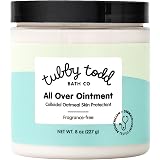
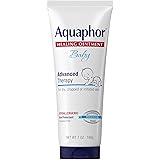
As emphasized by Dr. Yoshi, moisturizing is paramount in the treatment of baby eczema. Think of moisturizers as the essential mortar for the skin’s brick-like barrier; they help to fill in the gaps, restoring integrity and preventing moisture loss. Applying a thick, fragrance-free cream, ointment, or oil at least twice daily is vital, particularly immediately after bath time. This ‘lock in’ strategy maximizes hydration by trapping water on the skin’s surface before it can evaporate.
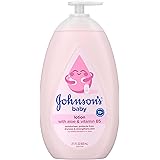
Choosing the right product is crucial. Ointments, being oil-based, are typically the most effective at creating a protective barrier and are often preferred for very dry or severely affected areas. Creams are lighter but still provide significant hydration. Avoid lotions, as their higher water content and thinner consistency often make them less effective for eczema management. Consistent application can significantly reduce dryness and help to restore the skin’s natural protective function, providing much-needed relief from the relentless itch of infant eczema.
Optimizing Bath Time for Sensitive Skin
Bathing routines, when modified appropriately, can greatly assist in treating baby eczema. Keeping baths short, ideally no longer than 5-10 minutes, and using lukewarm water is essential to prevent further drying of the skin. Hot water can strip the skin of its natural oils, exacerbating dryness and irritation.
It is prudent to use only a gentle, fragrance-free cleanser, applied sparingly to dirty areas rather than all over the body. For an added therapeutic benefit, consider incorporating emollient additives like colloidal oatmeal, which can soothe irritated skin, or specialized bath oils. For more severe cases of baby eczema, your pediatrician or dermatologist might suggest bleach baths. These baths, when properly diluted, act as a mild antiseptic, helping to reduce the bacteria on the skin that can worsen eczema and lead to infections. The standard recommendation is typically 1/4 to 1/2 cup of regular-strength (5-6%) household bleach for a full standard-sized bathtub of water (40 gallons) or 1 teaspoon of bleach per gallon of water for smaller tubs. It is imperative to consult a medical professional before attempting bleach baths to ensure correct dilution and frequency, thereby safeguarding your baby’s delicate skin.
Identifying and Avoiding Eczema Triggers
A crucial step in managing and treating baby eczema involves identifying and systematically avoiding common triggers that can provoke flare-ups. Environmental factors such as overheating and excessive sweating are well-known culprits. Therefore, dressing your baby in breathable, loose-fitting clothing made from natural fibers like cotton can help regulate body temperature. Furthermore, maintaining a comfortably cool and slightly humid environment, possibly with the use of a humidifier during dry seasons, can prevent the skin from losing moisture.
Certain detergents and harsh soaps containing dyes and fragrances are notorious irritants. Switching to “free and clear” laundry detergents and avoiding fabric softeners can make a considerable difference. In some instances, babies might experience eczema flares linked to dietary factors. While this is less common than environmental triggers, dairy and egg are frequently identified as potential culprits when food sensitivities are suspected. If you suspect food triggers, it is vital to consult with your pediatrician or an allergist. They can help navigate potential elimination diets or allergy testing, ensuring your baby receives adequate nutrition while avoiding harmful irritants.
When Professional Medical Intervention is Required
For babies whose eczema does not respond sufficiently to consistent moisturizing and trigger avoidance, or for those with more severe symptoms, professional medical intervention becomes necessary. Topical steroids are often prescribed to calm inflammation and alleviate intense itchiness during flare-ups. These medications work by reducing the immune response in the skin, acting as a firefighter to quickly extinguish the inflammatory ‘fire’.
It is important for parents not to be unduly concerned by the term ‘steroids’. When used appropriately under the guidance of a pediatrician or dermatologist, topical steroids are a safe and highly effective treatment. The goal is to use them in short courses to bring a flare-up under control, and then maintain skin health with the fundamental practices of moisturizing and trigger avoidance. Regular check-ins with your baby’s healthcare provider are indispensable to monitor progress, adjust treatment plans as needed, and ensure that your little one’s skin remains as healthy and comfortable as possible, which is central to knowing how to treat baby eczema effectively.
Ask Dr. Yoshi: Your Baby’s Eczema Relief Questions
What is baby eczema?
Baby eczema, also known as atopic dermatitis, is a common skin condition in infants that causes red, inflamed, and intensely itchy patches on the skin. It occurs when the skin’s protective barrier is weakened, allowing irritants in and moisture to escape.
What is the most important step for treating baby eczema at home?
Consistent moisturizing is paramount in treating baby eczema. Applying a thick, fragrance-free cream, ointment, or oil at least twice daily, especially right after bath time, helps restore the skin’s barrier and lock in moisture.
How should I bathe my baby if they have eczema?
Keep baths short, ideally 5-10 minutes, using lukewarm water and a gentle, fragrance-free cleanser only on dirty areas. It is crucial to moisturize immediately after bathing to help lock in hydration.
What are some common things that can make baby eczema worse?
Common triggers include overheating, excessive sweating, harsh soaps, and detergents containing dyes and fragrances. Dressing your baby in breathable clothing and using ‘free and clear’ laundry products can help avoid these irritants.
When should I seek professional help for my baby’s eczema?
If your baby’s eczema doesn’t respond sufficiently to consistent moisturizing and trigger avoidance, or if symptoms are severe, it’s time to consult a pediatrician or dermatologist. They may prescribe topical steroids to calm inflammation and alleviate intense itchiness.