The video above provides a quick guide. It shows how to tackle a common issue for parents. Almost three out of four babies will get diaper rash. This can cause discomfort. But you can manage it effectively. Knowing the right steps makes a big difference. This guide expands on the video. It offers deeper insights for effective diaper rash treatment and prevention.
Understanding Diaper Rash: More Than Just Redness
Diaper rash is a frequent problem. It usually appears as red, irritated skin. This irritation occurs in the diaper area. It covers the buttocks, thighs, and genitals. Several factors contribute to its development.
What Causes Diaper Rash?
Many things can trigger diaper rash. Understanding them helps with prevention. Key culprits include:
- Moisture: Prolonged wetness from urine or stool breaks down skin. This is the main reason.
- Friction: Diapers rubbing against sensitive skin can cause irritation. Movement makes it worse.
- Irritants: Some baby wipes, soaps, or detergents have harsh chemicals. They can upset delicate skin.
- pH Imbalance: Enzymes in stool can increase skin pH. This makes the skin more vulnerable.
- Infections: Yeast (candida) or bacteria thrive in warm, moist environments. They can worsen a rash.
- Diet Changes: New foods, especially acidic ones, can change stool composition. This may lead to irritation.
- Antibiotics: These medications can kill beneficial gut bacteria. This allows yeast to overgrow.
Recognizing these causes is crucial. It informs both treatment and preventive measures.
Diaper Rash Treatment: Step-by-Step for Speedy Healing
The video outlines a simple plan. We can expand on these steps. Effective diaper rash treatment requires consistency. It needs gentle care.
Gather Your Essential Supplies
Before you begin, have everything ready. You will need:
- Clean Diapers: Always have fresh ones on hand.
- Gentle Wipes or Wet Cloths: Choose fragrance-free, alcohol-free wipes. Water-based options are best. You can also use soft cloths dampened with warm water.
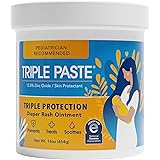
- Soothing Diaper Rash Cream: A quality cream forms a protective barrier. Brands like Desitin contain zinc oxide. Zinc oxide soothes and heals the skin.
Gentle Cleaning is Paramount
The first step is always to clean the area. Be very gentle. Baby skin is thin and fragile. Rubbing can cause more irritation. Instead, pat the skin clean. For girls, always wipe from front to back. This prevents bacteria from spreading. If the rash is severe, skip wipes. Use a squirt bottle with warm water. Then pat dry with a soft cloth. This minimizes friction and discomfort.
Ensure Thorough Drying
Moisture is an enemy of healthy skin. After cleaning, the skin must be completely dry. Pat the area with a soft towel. You can also fan it gently. Even better, let your baby go diaper-free. This allows the skin to air dry naturally. Think of it like drying clothes on a line. Air is the best dryer. This step is often overlooked. But it is vital for healing a diaper rash.
Embrace Diaper-Free Time
The video suggests air exposure. This is excellent advice. Air helps skin breathe. It speeds healing. Let your baby enjoy some naked time. Place them on a waterproof pad. Or use a large towel. Even 10-15 minutes can make a difference. This fresh air acts like a natural medicine. It reduces moisture and promotes recovery.
Applying Diaper Rash Cream Correctly
Applying cream is simple. The video wisely compares it to “icing a cake.” You need a thick layer. Cover the entire rash area. Do not rub the cream in. Just spread it gently. The goal is to create a barrier. This barrier protects skin from wetness and irritation. It also locks in moisture. This gives the skin time to heal. Apply cream at every diaper change. Consistency is key for effective diaper rash treatment.
Understanding Cream Ingredients
Most effective creams use zinc oxide. This ingredient creates a strong barrier. It also has mild astringent properties. This helps to dry and heal the skin. Some creams also contain petroleum jelly. This provides a softer barrier. For more severe rashes, stronger zinc oxide formulas are available. Always check ingredients for sensitive skin. Avoid creams with perfumes or dyes.
Preventing Diaper Rash: Smart Strategies for Baby’s Comfort
Prevention is always better than cure. You can greatly reduce the chances of diaper rash. Implement these simple strategies daily.
Change Diapers Frequently
This is the simplest prevention method. Change wet or soiled diapers promptly. Do not wait for a full diaper. Frequent changes minimize skin exposure to irritants. It keeps the skin dry. Consider changing diapers every 2-3 hours. Do this even if the diaper is only slightly wet. This proactive approach helps greatly.
Maintain Excellent Hygiene
Always clean the diaper area thoroughly. Use gentle methods. Pat, don’t rub. Ensure the skin is completely dry before applying a new diaper. Think of it like protecting a delicate flower. You must handle it with care. This meticulous cleaning prevents buildup. It removes irritants. This keeps the skin healthy and strong.
Use Barrier Creams Proactively
Don’t wait for a rash to appear. Apply a thin layer of barrier cream at every change. This acts as a shield. It protects the skin from moisture. It prevents irritation from friction. This simple step can prevent many rashes. It saves your baby from discomfort. It makes diaper rash treatment less often needed.
Choose Absorbent Diapers
Modern diapers are very absorbent. They wick moisture away from the skin. Select diapers known for their absorbency. They keep skin drier for longer. This reduces the risk of moisture-related rashes. It creates a better environment for baby’s skin. This choice contributes to continuous comfort.
Avoid Irritating Products
Be mindful of what touches your baby’s skin. Avoid highly fragranced wipes. Stay away from harsh soaps or bubble baths. These products contain chemicals. They can strip natural oils from the skin. This leaves it vulnerable to irritation. Opt for mild, baby-specific products. Choose hypoallergenic options. This protects sensitive skin from damage.
When to Seek Medical Advice
Most diaper rash cases are mild. They respond well to home care. However, some situations require a doctor’s visit. Watch for these signs:
- The rash worsens despite home treatment.
- It does not improve within 2-3 days.
- There are blisters, open sores, or pus.
- The rash spreads beyond the diaper area.
- Your baby develops a fever.
- Your baby seems unusually lethargic or in pain.
These symptoms might indicate a more serious infection. It could be a persistent yeast infection. Or it might be a bacterial infection. A doctor can diagnose the problem correctly. They can prescribe appropriate medication. Never hesitate to seek professional help. Your baby’s comfort and health are most important.
Managing diaper rash is a part of parenthood. You can ensure your baby’s comfort. Follow these expanded tips. Use proper diaper rash treatment. Be consistent with preventive measures. Your little one will be happier and healthier. You can get back to enjoying precious moments. Effective diaper rash treatment brings quick relief.
Diaper Rash Solutions: Your Questions for DESITIN®
What is diaper rash?
Diaper rash is a common skin irritation that appears as red, irritated skin in the diaper area, covering the buttocks, thighs, and genitals.
What are the main causes of diaper rash?
It is mainly caused by prolonged wetness from urine or stool, friction from diapers rubbing against sensitive skin, and irritants found in some baby wipes or soaps.
How should I treat diaper rash?
To treat diaper rash, gently clean and thoroughly dry the affected skin, allow some diaper-free time for air exposure, and then apply a thick layer of diaper rash cream.
How can I prevent diaper rash?
You can prevent diaper rash by changing wet or soiled diapers frequently, maintaining excellent hygiene, proactively using a barrier cream, and avoiding irritating products like harsh wipes or soaps.