It happens to the best of us: you change a diaper, and there it is. A red, angry rash. A baby’s cry often accompanies this unwelcome sight. Dealing with infant skin conditions like diaper rash can feel overwhelming for parents. Fortunately, expert guidance, like the valuable insights shared by Dr. Santhiya Niranjan in the video above, offers clear, actionable steps. We will delve deeper into these crucial recommendations, offering expanded context and expert advice for managing and preventing this common challenge. Understanding the mechanisms behind diaper rash is the first step toward effective treatment.
Understanding Diaper Rash: More Than Just Redness
Diaper rash, medically known as irritant contact dermatitis, results from prolonged exposure to moisture, friction, and irritants. Urine and feces combine to create an environment hostile to delicate baby skin. The skin’s natural barrier weakens. Enzymes from stool break down the skin’s protective layers. This leads to inflammation and discomfort.
Furthermore, friction from a tight or ill-fitting diaper exacerbates the problem. The skin becomes chafed. Bacterial and yeast overgrowth can also complicate the situation. A common culprit is Candida albicans, a yeast that thrives in warm, moist conditions.
Think of it like a garden. If the soil is too wet, and the wrong organisms proliferate, the plants suffer. A baby’s diaper area is a microcosm. We must cultivate a healthy environment there.
Recognizing the Signs and Severity
Most diaper rash presents as general redness. It typically affects convex surfaces, those areas directly touching the diaper. These include the buttocks, genitals, and inner thighs.
More severe cases show distinct symptoms. Bright red, well-demarcated patches might suggest a fungal infection. Satellite lesions, smaller red spots branching out from the main rash, are classic signs of candidiasis. Blisters, oozing, or pustules require immediate medical attention. Any sign of fever alongside the rash also warrants a doctor’s visit.
Early intervention is always key. Catching the rash when it is mild prevents escalation.
Effective Diaper Rash Treatment Strategies
Dr. Santhiya Niranjan highlighted several critical steps for treating diaper rash. Each recommendation is grounded in dermatological principles. Let us explore each in detail.
Prioritizing Prompt Diaper Changes
Dr. Niranjan stresses changing dirty diapers ASAP. This is foundational. Prolonged contact with urine and feces creates a perfect storm for skin irritation. Urine contains urea. This converts to ammonia, increasing skin pH. Feces harbor digestive enzymes, like proteases and lipases. These enzymes actively degrade the stratum corneum, the skin’s outermost protective layer.
Imagine your hands submerged in dish soap for hours. They would chap and become raw. Baby skin is far more delicate. Regular changes minimize exposure time. This preserves skin integrity. Aim for changing every two hours, or immediately if soiled. Even a slightly wet diaper can cause irritation over time.
The Case Against Wet Wipes
Avoiding wet wipes is another crucial piece of advice. While convenient, many commercial wet wipes contain irritating ingredients. Fragrances are common allergens. Alcohol can dry and irritate sensitive skin. Preservatives, necessary for shelf life, can also trigger contact dermatitis. Phenoxyethanol, parabens, and methylisothiazolinone are examples. These compounds can exacerbate existing diaper rash. They strip away natural skin lipids. This compromises the skin barrier further.
Think of cleaning a wound. You wouldn’t use harsh chemicals. You would use something gentle. The diaper area, especially when irritated, requires similar consideration.
Gentle Cleansing with Water and Cloth
Dr. Niranjan recommends using only gentle cloth or cotton soaked in water. This is the gold standard for cleansing an irritated bottom. Pure water is neutral. It removes urine and feces without introducing new irritants. A soft cloth or cotton pad provides gentle mechanical cleaning. It avoids abrasive scrubbing. This simple method reduces inflammation. It supports natural healing processes. After cleaning, ensure the area is completely dry before re-diapering. Pat, do not rub, the skin dry. Residual moisture only invites further trouble.
The Power of Zinc Oxide Diaper Cream
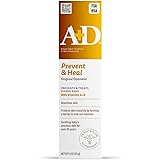
Applying a zinc oxide diaper cream is a cornerstone of treatment. Zinc oxide is a hero ingredient. It forms a protective occlusive barrier on the skin. This barrier shields the skin from moisture and irritants. It also possesses mild astringent properties. These help dry out weeping skin. Furthermore, zinc oxide has anti-inflammatory effects. It can soothe irritated skin. Look for creams with a high percentage of zinc oxide, typically 10-40%. Other beneficial ingredients include petrolatum or dimethicone. These enhance barrier protection. Apply a thick layer, almost like frosting a cake. You should still see the white cream on the skin.
This barrier prevents further damage. It allows the skin underneath to begin repairing itself. It is like putting a protective bandage on a scrape, but one that is also therapeutic.
Embracing Diaper-Free Time
Giving diaper-free time is incredibly therapeutic. Air exposure helps to dry out the skin. This reduces the moist environment that microbes love. It also minimizes friction. Friction constantly abrades already compromised skin. Allowing the baby to air out for periods throughout the day is highly beneficial. Lay them on a clean towel or changing pad. Ensure the room is warm enough. This simple practice promotes faster healing. It prevents future recurrences. Just be prepared for potential accidents!
Consider it a skin vacation. A break from the constant occlusion and friction. This allows the skin to breathe and regenerate.
Preventing Recurrence: Long-Term Strategies
Treating existing diaper rash is one thing. Preventing its return is another challenge. Consistent preventive measures are crucial.
Regular Diaper Changes: A Non-Negotiable
Maintain frequent diaper changes, even if the baby is not visibly soiled. This prevents moisture buildup. It limits the time irritants spend on the skin.
Proper Diaper Fit and Material
Ensure diapers fit correctly. Too tight, and friction increases. Too loose, and leaks occur. Some babies may have sensitivities to certain diaper brands. Experiment if rashes persist. Consider highly absorbent diapers. These wick moisture away effectively.
Routine Barrier Cream Application
For babies prone to diaper rash, apply a thin layer of barrier cream at every diaper change. Even when the skin is healthy. This preemptively builds a protective shield. It acts as an insurance policy against irritants.
Maintaining Skin pH
Some products aim to maintain the skin’s natural acidic pH. This pH (around 5.5) inhibits bacterial and fungal growth. Using pH-balanced cleansers, if needed, can support this. However, plain water is typically sufficient.
Managing diaper rash requires diligence and consistency. By following these expert recommendations, parents can effectively treat and prevent this common infant ailment. Remember, healthy skin means a happier baby, and a happier household.
Your Diaper Rash Concerns: Expert Answers for Baby’s Comfort
What is diaper rash?
Diaper rash is a common skin irritation, medically known as irritant contact dermatitis, that causes redness and discomfort in a baby’s diaper area.
What causes diaper rash?
It often results from prolonged exposure to moisture, friction, and irritants like urine and feces, which weaken the baby’s delicate skin barrier.
How can I treat my baby’s diaper rash?
You should change dirty diapers promptly, clean the area gently with water and a soft cloth, apply a zinc oxide cream, and allow for diaper-free time to air out the skin.
Why should I use zinc oxide cream for diaper rash?
Zinc oxide cream forms a protective barrier on the skin, shielding it from moisture and irritants while also helping to soothe and dry out the irritated area.
What is ‘diaper-free time’ and why is it important?
Diaper-free time is when your baby goes without a diaper for a period, allowing their skin to air dry and reducing friction, which promotes faster healing and prevents future rashes.